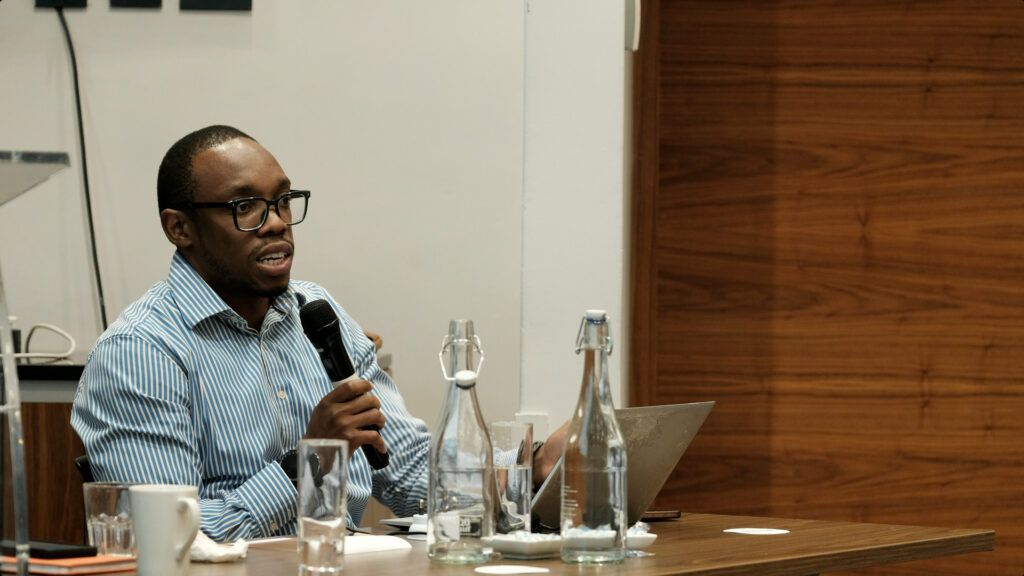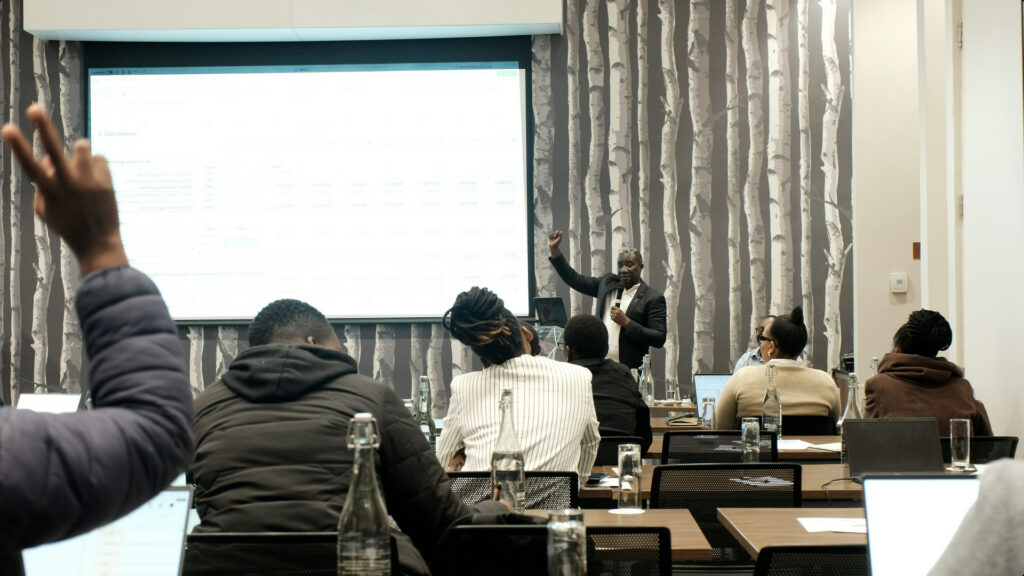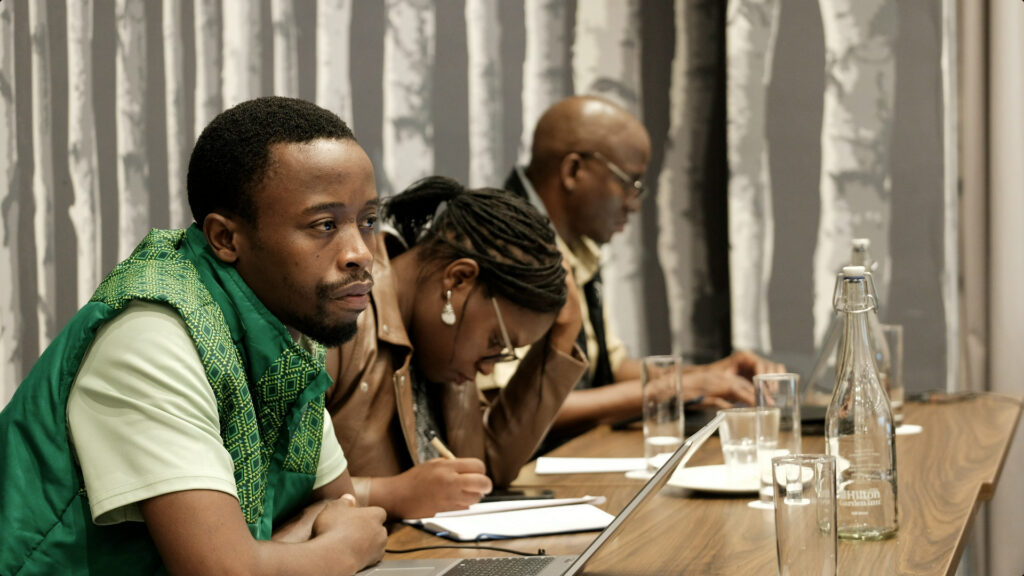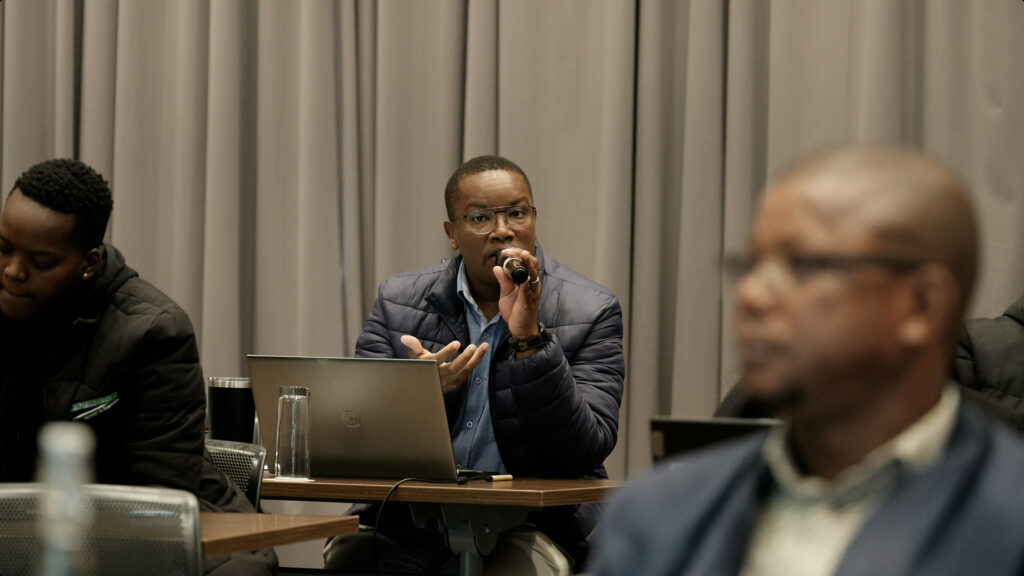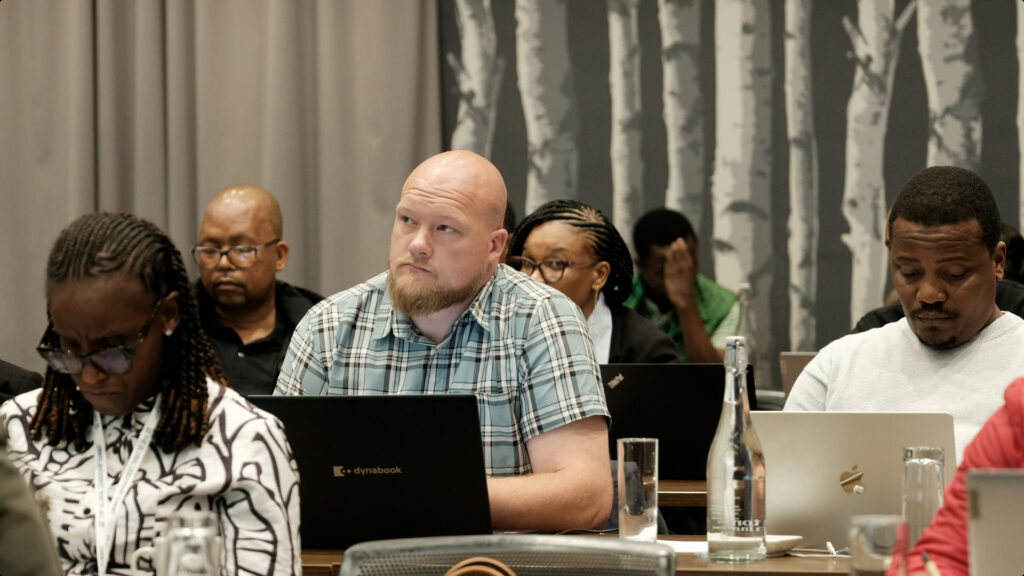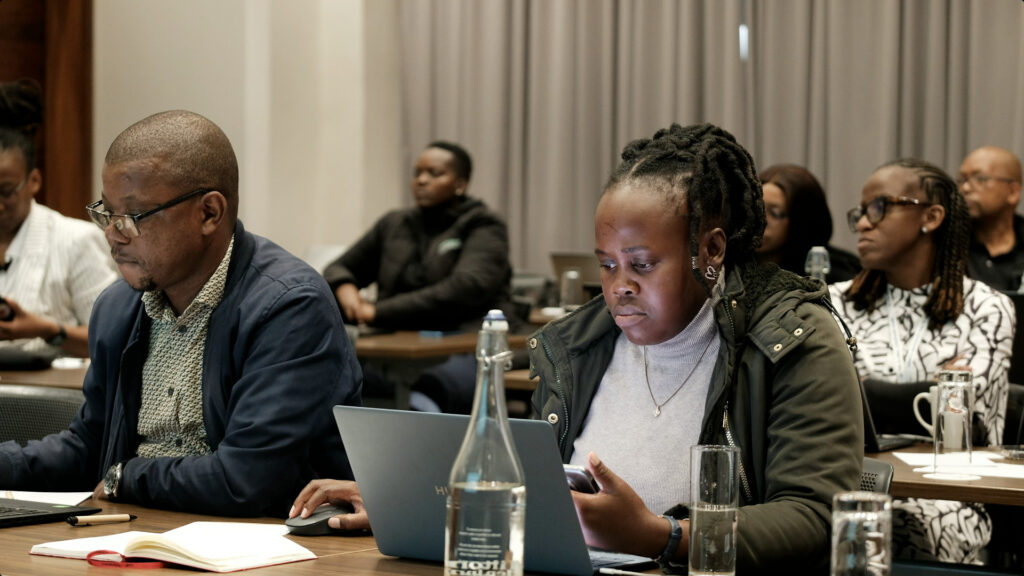
In a strategic move to enhance the quality and competitiveness of bids for the construction of Pilot 2 at Bulimeni in the Shiselweni region, the Africa Minigrids Program (AMP), in collaboration with the African Forum for Utility Regulators (AFUR), convened a training on the AFUR Tariff Model. Held from 8 to 11 April 2026 in Mbabane, the training brought together prospective bidders and financiers, equipping them with the technical and regulatory tools needed to develop robust, investment-ready proposals. The training intentionally included local financiers to bridge a critical gap in understanding the minigrid business model, which had previously limited access to local financing. The model provided financiers with a structured tool to assess project viability.
Conducted shortly after the release of the Request for Proposals for the Bulimeni minigrid, the training enabled bidders to directly integrate tariff model methodologies and insights into their bid preparations. Over three and a half intensive days, participants gained practical skills in tariff structuring, an essential component in ensuring the financial viability and sustainability of minigrid projects.
The training also introduced participants to the African Model Mini-Grid Regulations Tool, an innovative digital platform developed by AFUR in partnership with GET.Transform to address long-standing regulatory inconsistencies across Africa. The tool offers a streamlined, customizable approach to developing minigrid policies aligned with international best practices, guiding users through structured inputs about their national electricity landscape to generate regulation frameworks that are up to 90% ready for implementation. This significantly reduces the time and complexity typically associated with policy development, an important advantage in a sector where unclear regulatory environments have historically slowed progress and deterred private sector investment.
This workshop is one of several ongoing regional trainings designed to scale Distributed Renewable Energy (DRE) solutions across AMP countries. As momentum for the Bulimeni project continues to build, the training reflects a broader commitment to go beyond infrastructure delivery, fostering capacity, strengthening markets, and creating an enabling environment for long-term success.
This project was made possible through generous contributions from the governments of Denmark and Luxembourg via the UNDP Funding Windows.