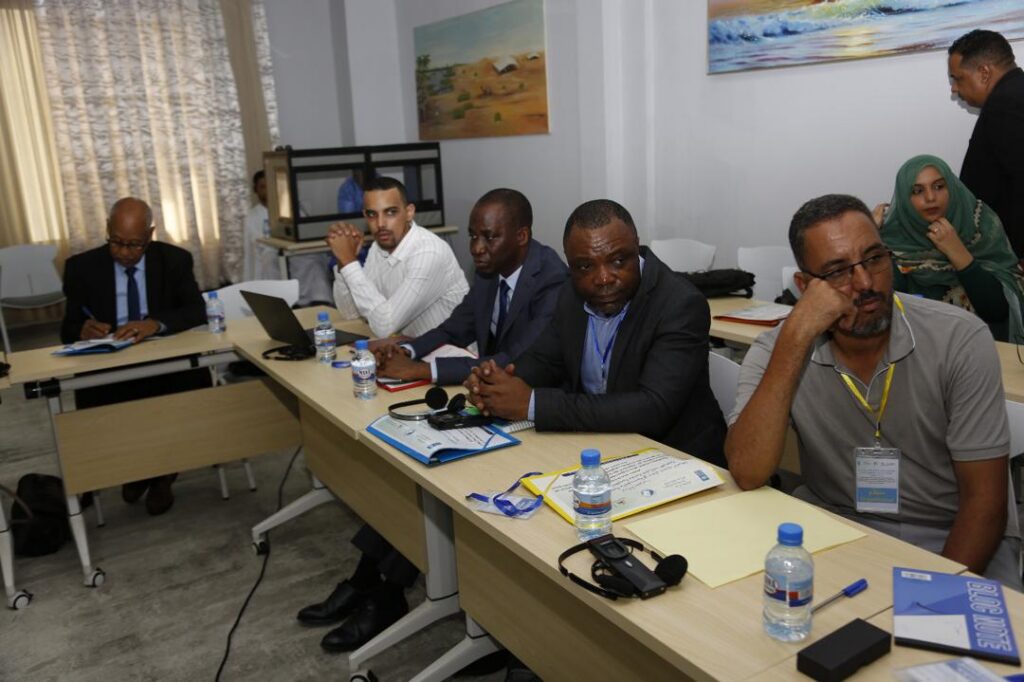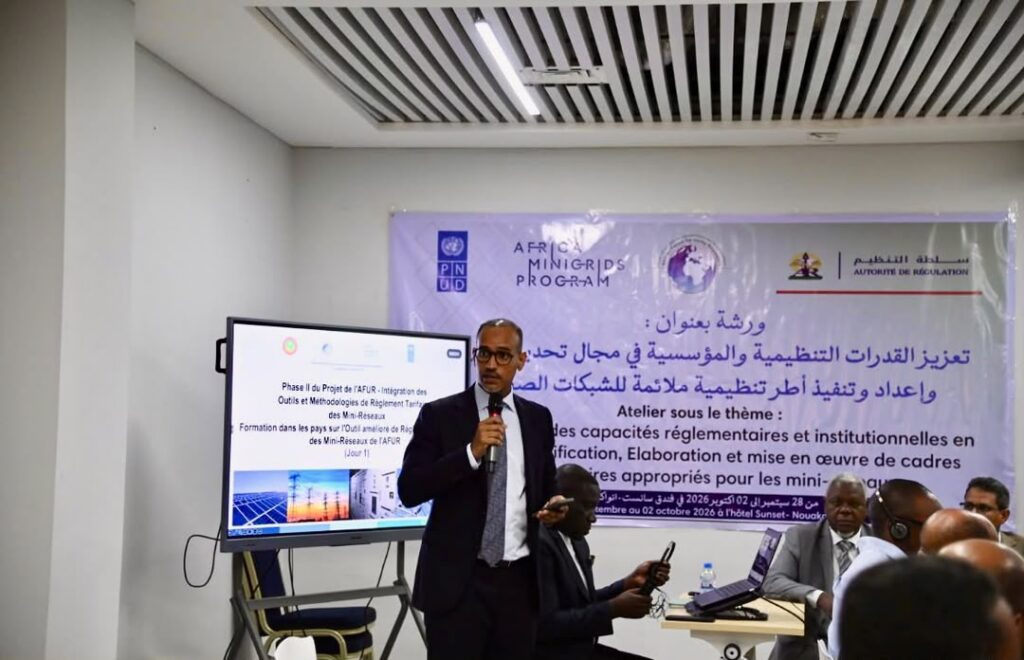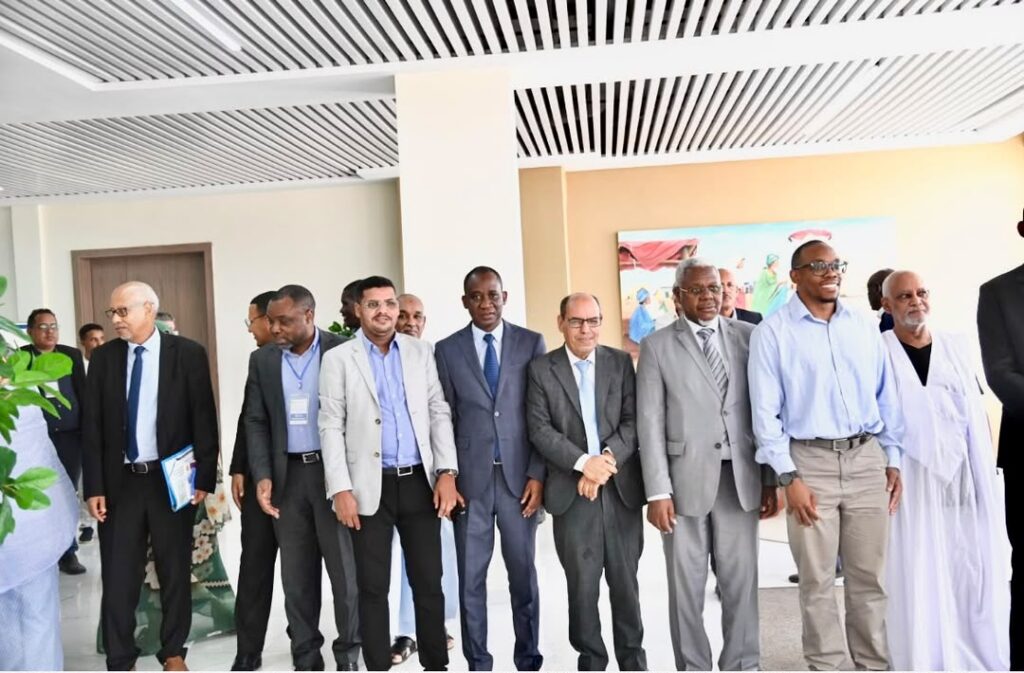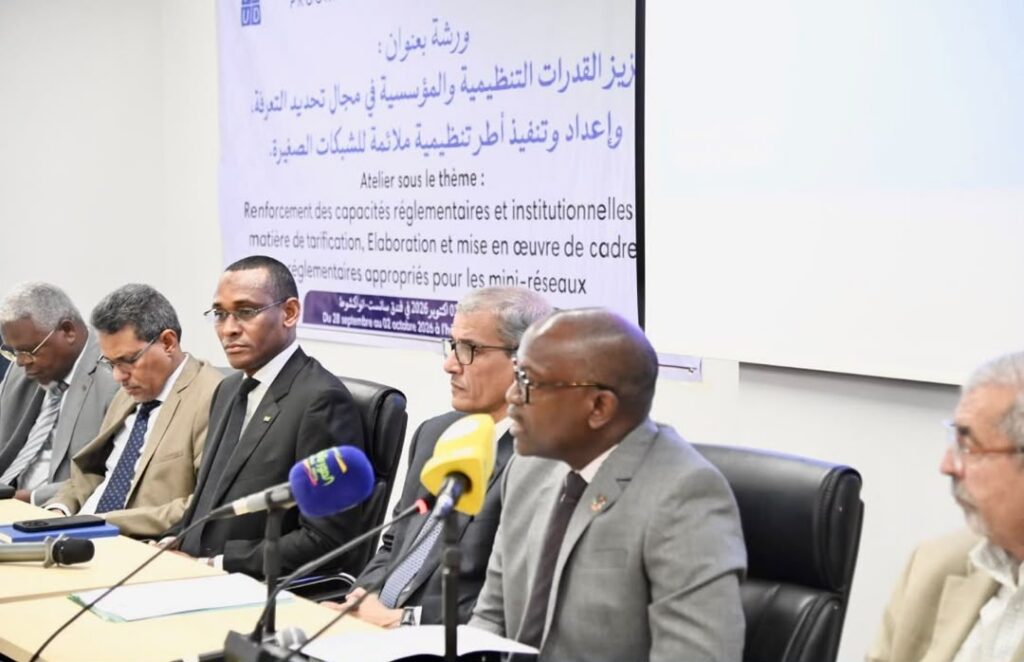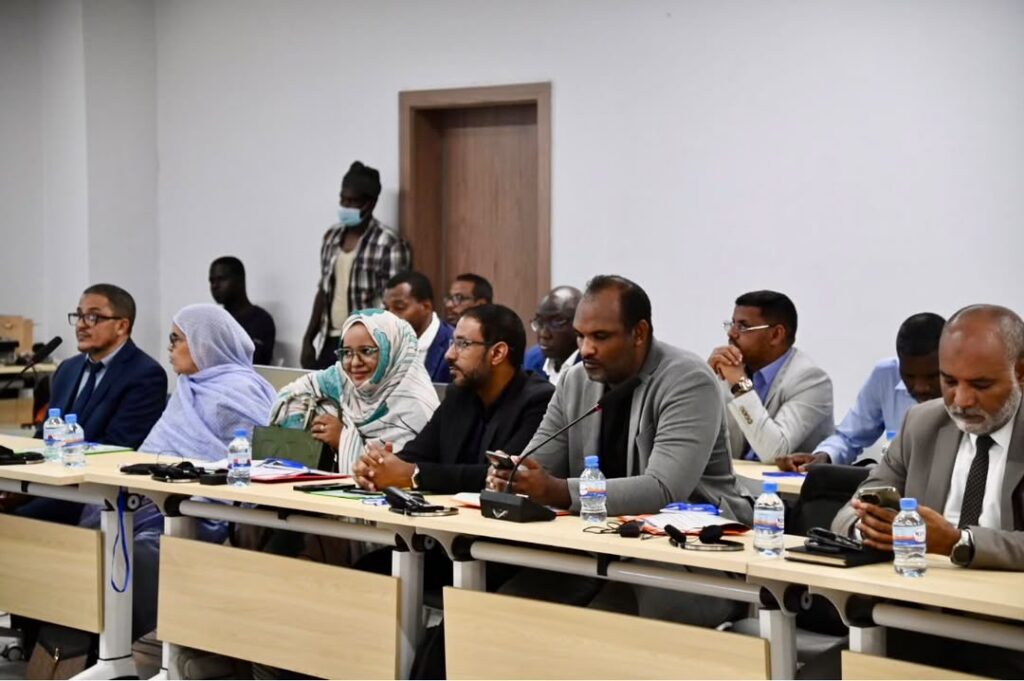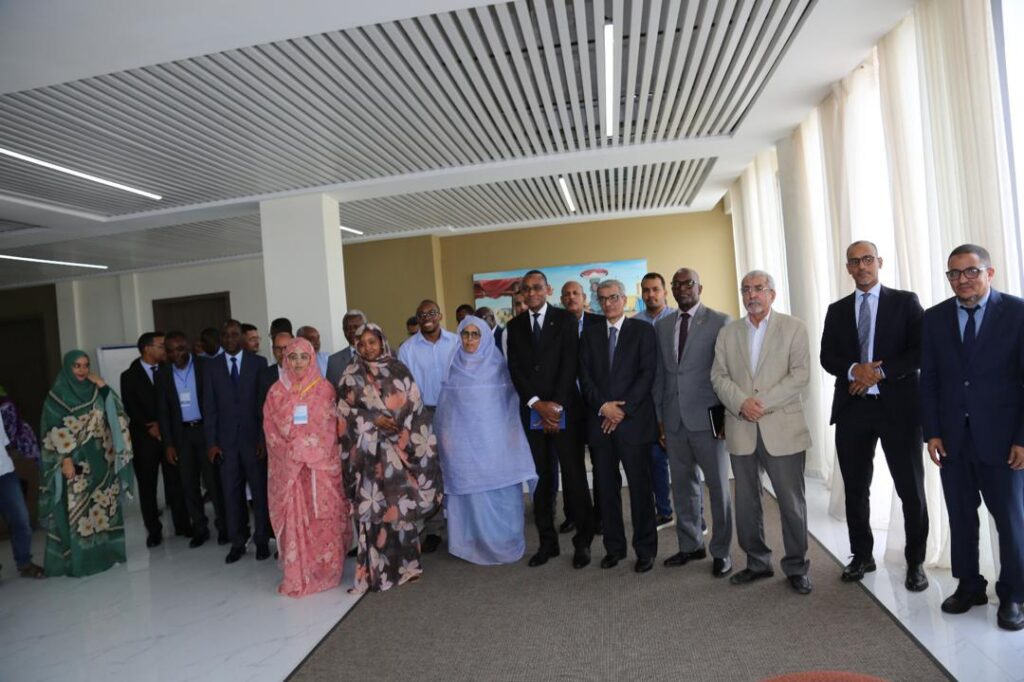
Nouakchott, Mauritania — Energy regulators, government representatives, utilities and private-sector stakeholders came together in Nouakchott from 28 September to 2 October 2026 for a five-day training on minigrid tariff determination and financial modelling, providing practical experience in assessing the financial viability of minigrid projects.
Organised by the African Forum for Utility Regulators (AFUR), in collaboration with the United Nations Development Programme (UNDP) through the Africa Minigrids Program (AMP), the workshop brought together 33 participants, including eight women.
The workshop focused on the practical application of AFUR’s Enhanced Mini-Grid Tariff Tool and introduced participants to the AFUR Model Mini-Grid Regulation Tool. Together, the tools address two important dimensions of minigrid development: determining financially sustainable tariffs and understanding the regulatory frameworks needed to support project implementation.
The Mauritania workshop is part of a wider series of AFUR-led capacity-building activities taking place across AMP countries, with further trainings planned. These activities aim to strengthen the ability of national regulators and other sector stakeholders to assess minigrid project viability, develop transparent and appropriate tariff methodologies, and understand the regulatory arrangements needed to support sustainable minigrid development. By building this capacity across participating countries, AMP and AFUR are helping create a stronger foundation for minigrid investment and expanded electricity access across Africa.
Turning technical concepts into practical application
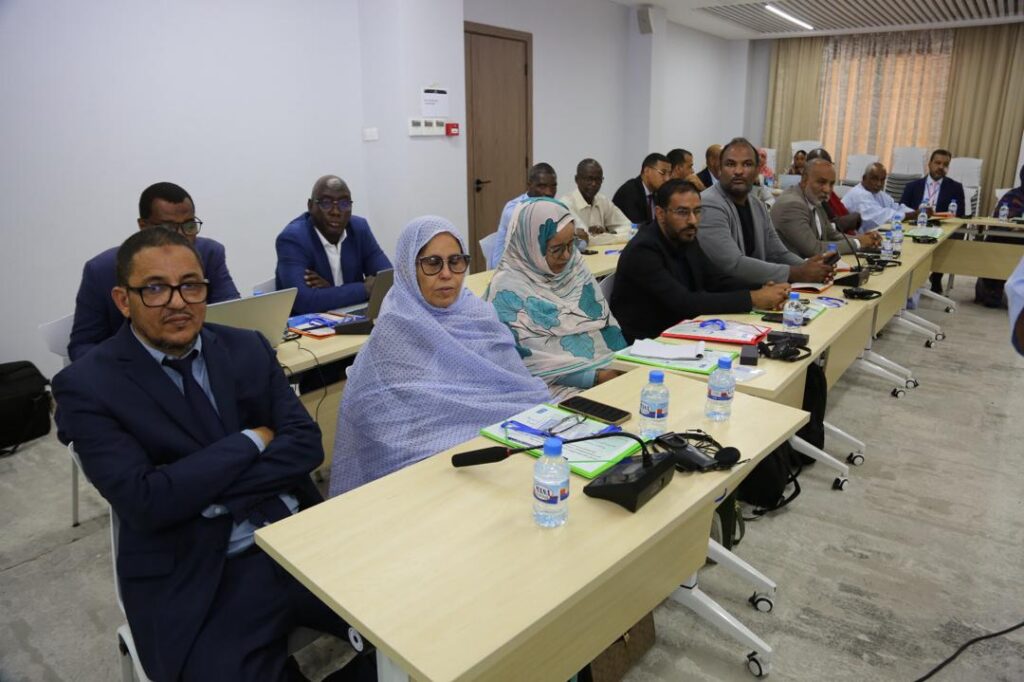
Throughout the training, participants explored the financial and technical factors that influence minigrid viability, including capital and operating costs, customer demand, financing structures, depreciation, subsidies and revenue requirements. The programme combined technical presentations and guided demonstrations with hands-on financial modelling, scenario analysis and group exercises. Participants worked with anonymised data from two operating African minigrids to develop financial models, examine tariff requirements and assess how changes in project assumptions could affect financial performance.
The exercises provided an opportunity to explore how factors such as investment costs, demand, financing conditions and subsidies influence the tariffs required to sustain minigrid operations. Participants also considered regulatory issues relating to licensing, tariff approval, consumer protection and the arrival of the national grid.
Feedback indicated that participants valued the practical nature of the training and its relevance to Mauritania’s evolving minigrid sector. They also called for clearer explanations of the Tool’s formulas and assumptions, transparent calculations suitable for regulatory review, and continued technical support using national project data.
Addressing Mauritania’s electricity access challenges
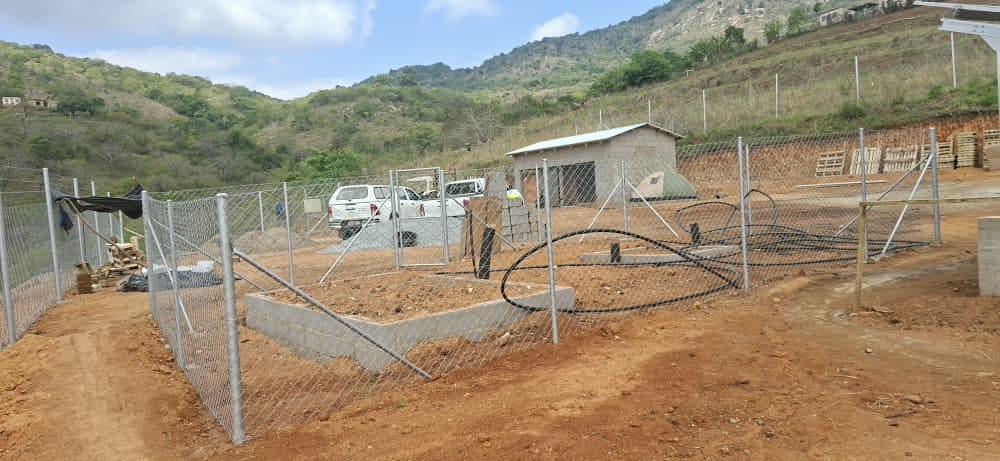
A distinctive theme emerging from the workshop was the potential role of minigrids in communities that are technically connected to the national electricity grid but continue to experience unreliable or inadequate power supply. This highlights the importance of considering minigrids not only as a means of extending electricity access to underserved areas, but also as a potential way to improve the reliability and availability of electricity in communities where existing supply remains insufficient.
Applying the AFUR tools to actual Mauritanian projects could help national institutions assess project costs, demand, financing requirements and tariff options in the local context. Such analysis can support more informed decisions about project viability and the regulatory arrangements needed for sustainable operation.
From training to implementation
The workshop represents a step towards strengthening institutional capacity for minigrid tariff determination and regulatory development. However, the next stage will be important in translating the training into practical application.
Recommended follow-up actions included applying the Tariff Tool to actual or planned Mauritanian minigrid projects, reviewing the alignment of AFUR’s tools with the national regulatory framework, strengthening the quality and consistency of project data, and providing further technical support and French-language resources. Formal adoption or institutionalisation of the tools would remain a decision for the relevant national authorities.
By providing practical experience in financial modelling and encouraging further engagement among regulators, utilities, developers and development partners, the training provides a foundation for continued work towards more transparent, financially sustainable and investment-ready minigrid development in Mauritania.
The training was supported by the Governments of Denmark and Luxembourg, as well as the Global Environment Facility.