FOR IMMEDIATE RELEASE
Antananarivo, Madagascar, January 21, 2026 — The Africa Minigrids Program (AMP), led by UNDP and supported by RMI and the Africa Development Bank, has launched a new partnership with the African Forum for Utility Regulators (AFUR) to enhance regulatory frameworks for solar minigrids across nine African countries. The collaboration aims to build the capacity of regulators and policymakers to advance sustainable energy access in underserved communities.
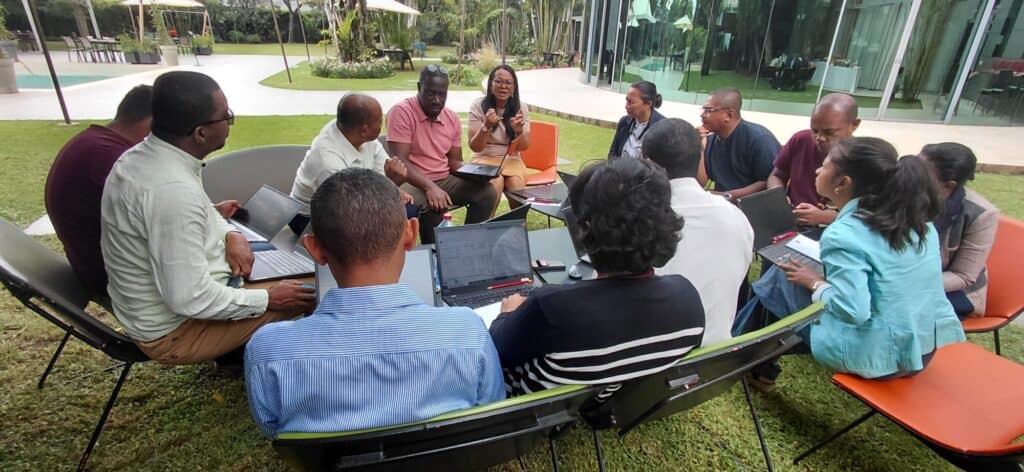
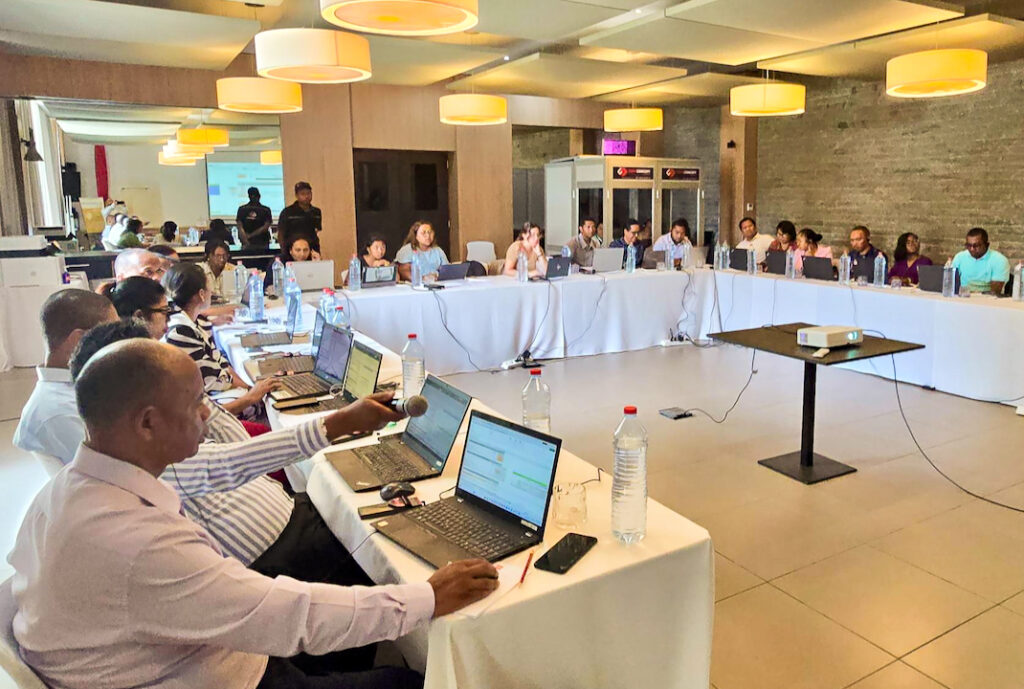
The first capacity-building workshop, held in Antananarivo from November 17-21, 2025, brought together representatives from Burkina Faso, Comoros, Djibouti, Eswatini, Ethiopia, Madagascar, Malawi, Mauritania, and Somalia. This training marked the beginning of a coordinated effort to support countries in designing effective, transparent, and inclusive regulatory frameworks that enable the scale-up of Distributed Renewable Energy (DRE) solutions. The workshop provided training to 19 participants from public institutions and private operators, fostering collaboration among key stakeholders including the Ministry of Energy and Hydrocarbons, the Electricity Regulatory Authority (ARELEC), and the Rural Electrification Development Agency (ADER). Madagascar’s electricity access remains critically low, with less than 39% nationally and below 20% in rural areas, highlighting the urgent need for DRE solutions.
Solar minigrids are an increasingly important component of Africa’s DRE landscape, offering a practical and sustainable pathway to electrifying remote and underserved communities.
Yet, many countries continue to face challenges in developing tariff structures that ensure both financial sustainability and affordability for households and small businesses. With solar minigrid tariffs often two to three times higher than national grid tariffs, communities face significant affordability challenges that risk limiting the long-term viability of projects. Strengthened regulatory frameworks are therefore essential for protecting consumers and creating the conditions necessary to attract private sector investment.
Through practical training on AFUR’s innovative Minigrid Tariff Tool and Model Regulation Tool, regulators and policymakers will enhance their capacity to design tariff methodologies that balance affordability for households with the financial sustainability required to attract and retain private investment. Ongoing engagement through the AMP Community of Practice facilitates peer learning and knowledge exchange, ensuring that lessons from each country inform continuous improvements in minigrid regulation across the region.
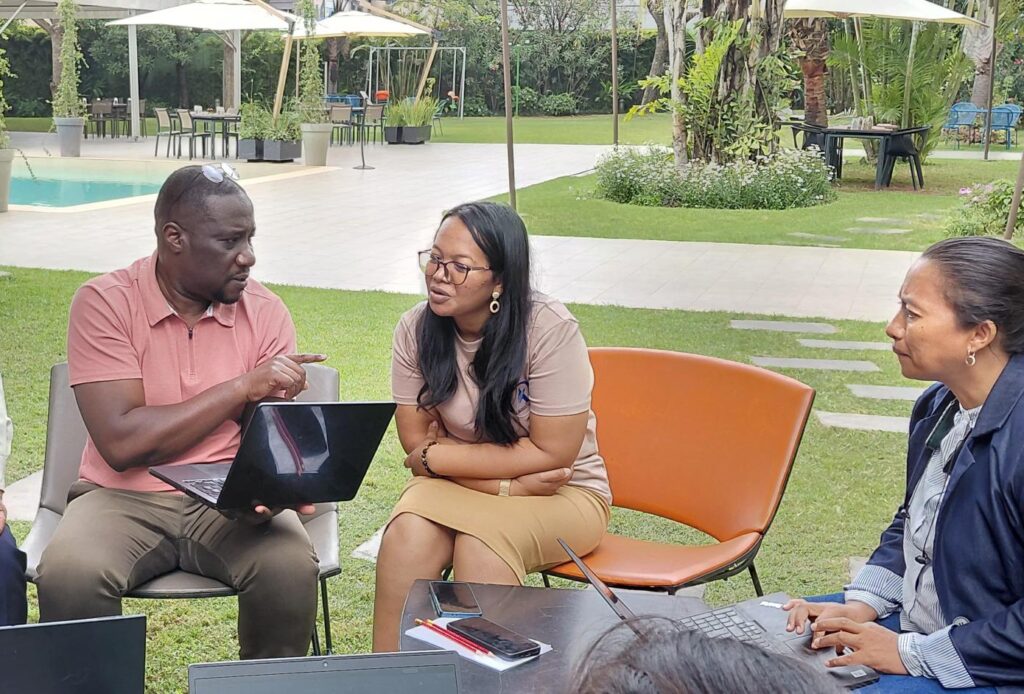
AFUR trainers reaffirmed their commitment to support Madagascar’s institutions, while UNDP continues to promote equitable energy policies and inclusive frameworks to accelerate sustainable access.
From AFUR’s perspective, strengthening regulatory capacity and deepening regional cooperation are foundational to scaling minigrids sustainably across Africa. Madagascar clearly demonstrates that the challenge is not technology alone, but the ability of institutions to design predictable, transparent, and investment-ready regulatory frameworks that respond to local affordability constraints while maintaining commercial viability. By bringing regulators together through structured capacity-building and peer learning, AFUR enables countries to learn directly from shared experiences, avoid fragmented approaches, and accelerate regulatory convergence.
The Madagascar workshop exemplifies how regional cooperation strengthens national outcomes—equipping regulators with practical tools, harmonized methodologies, and comparative insights that are essential for scaling minigrids at pace, crowding in private investment, and delivering reliable energy access to underserved communities. Madagascar’s energy landscape underscores the urgency of this effort., with widespread reliance on biomass for cooking, and significant gender and economic disparities, the country exemplifies the complex barriers to clean energy adoption. Frequent climate disasters, poverty affecting over three-quarters of the population, and limited digital connectivity compound these challenges.
By clarifying licensing and subsidy mechanisms, and improving tariff-setting processes, the partnership aims to unlock the full potential of minigrids to serve an estimated 1.9 million people in the target countries by 2030.
By strengthening regulatory systems and coordinating regional action, the partnership supports countries in creating the enabling environments needed to accelerate progress on energy access and sustainable development. The initiative contributes directly to UNDP’s broader mandate to reduce inequalities, promote gender equality, and build resilience by ensuring that access to sustainable and affordable energy becomes a reality for all.
This project was made possible through generous contributions from the governments of Denmark and Luxembourg, via the UNDP Funding Windows. As UNDP’s primary mechanism for flexible and pooled thematic funding, the Funding Windows enable UNDP to respond swiftly and comprehensively to needs and emerging challenges across the world.
— End—
For more information, please contact:
- Caroline Tresise [email protected]
- Moses Munyaradzi [email protected]
- Maxine Chikumbo [email protected]
###
About AFUR:
The African Forum for Utility Regulators (AFUR) addresses regulatory matters spanning energy, telecommunications, transport, and water & sanitation industries, emphasizing cross-sectoral issues. Its goal is to cultivate cooperation among utility regulators across Africa, bolstering the continent’s growth and socio-economic progress. AFUR’s mission is to promote the evolution of efficient utility regulation, advancing Africa’s infrastructure development.
About AMP:
AMP is a USD 50 million country-led technical assistance programme designed to stimulate the solar-battery minigrids market to boost electricity access in 21 countries. The goal is to bring the development benefits of energy access to a wide array of communities across the continent by focusing on supporting productive uses of energy, which supports socio-economic development by enhancing the quality of sectors that require energy input such as agriculture, healthcare, education, and small businesses.
About UNDP:
UNDP works in over 170 countries and territories, helping to eradicate poverty, reduce inequalities and exclusion, and build resilience so that countries can sustain progress. As the UN’s development agency, UNDP plays a critical role in helping countries achieve the Sustainable Development Goals. UNDP supports governments in strengthening institutional capacities, creating enabling regulatory environments, and mobilizing finance to expand access to sustainable energy and other essential services. By focusing on the conditions necessary to translate policy ambition into tangible results, UNDP helps countries accelerate their transitions toward a more just, inclusive, and sustainable future.