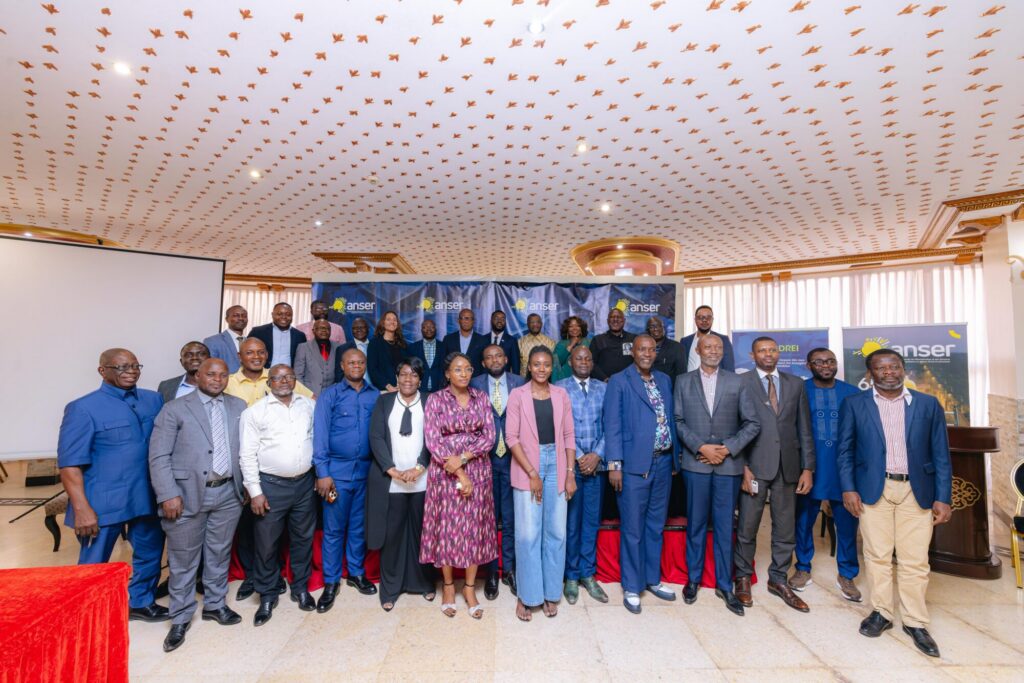
From May 25 to 28, 2026, the third and final module of the DREI Lab took place in Kinshasa, DRC, marking the conclusion of a months-long co-creation process under the DREI 2.0 (Derisking Renewable Energy Investment) framework, developed by UNDP and implemented in DRC under the Africa Minigrids Program (AMP). This intensive module brought together public sector participants and private sector actors to finalize recommendations for reducing investment risks in solar minigrids and to present them to policymakers for validation.
As with the AMP initiative more broadly, DREI 2.0 aims to expand access to clean and reliable electricity by creating an enabling environment for private investment. This remains central to improving livelihoods, strengthening basic services, and supporting local economic activity in rural areas of the DRC. According to the DRC‘s National Energy Compact, only 21.5% of the population has access to electricity.
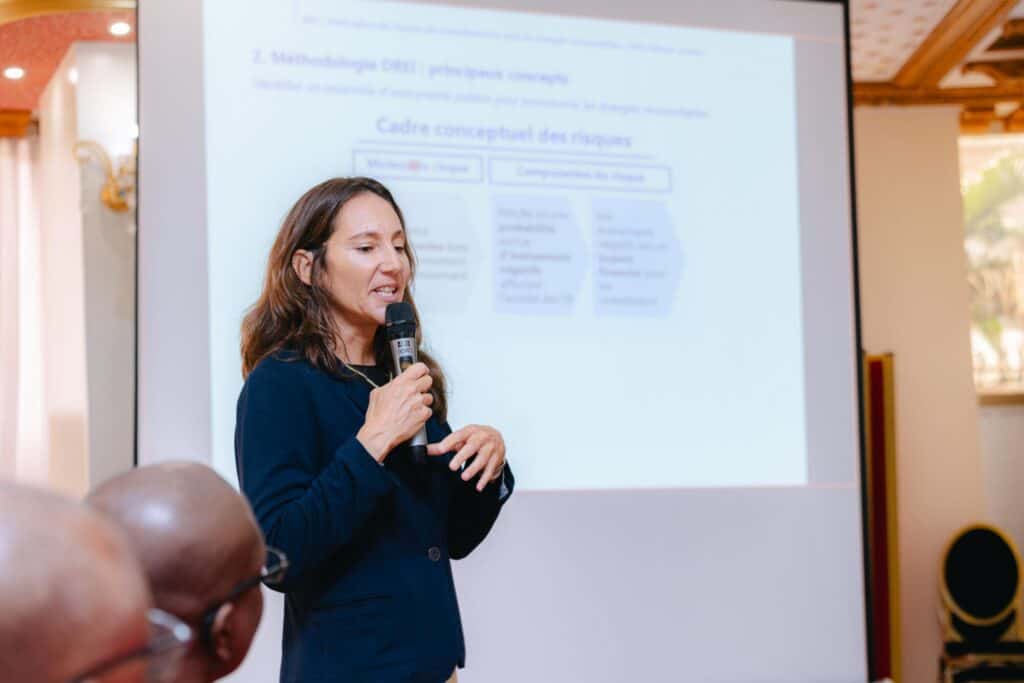
The first two days of the module built on the groundwork laid during Modules 1 and 2 earlier this year. Participants gathered feedback from private sector stakeholders on the risk mitigation instruments proposed in previous modules, refined their recommendations, and conducted quantitative scenario analyses to illustrate the potential impact of different policy measures on the cost of financing solar minigrid projects.
Using the DREI 2.0 Levelized Cost of Energy (LCOE) model, participants assessed the financial implications of risk mitigation for investors, the public sector, and end consumers, translating complex financial concepts into actionable policy insights.
Presenting to Decision-Makers
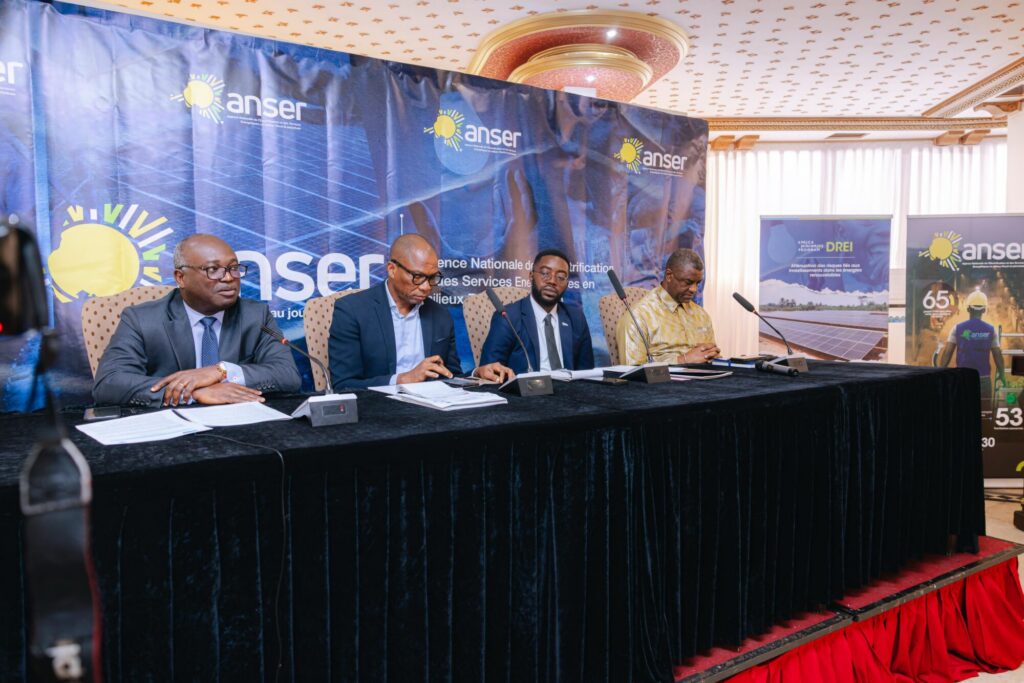
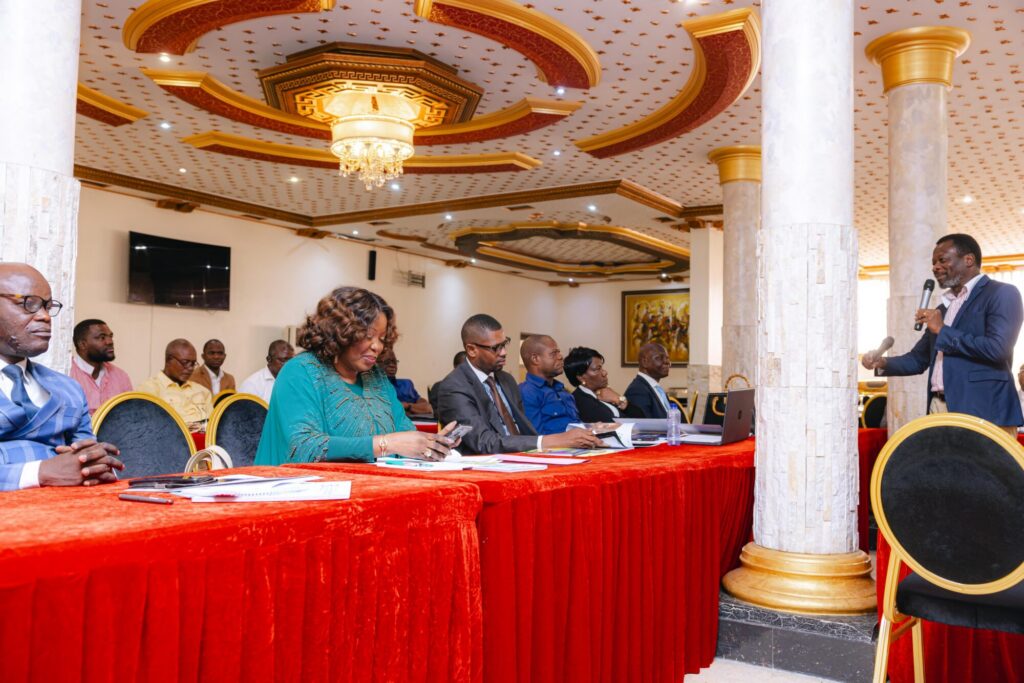
On May 28, the DREI Lab recommendations for action were presented during a political validation workshop attended by senior representatives from the Ministry of Water Resources and Electricity, the Ministry of Finance, the National Energy Commission, the Regulatory Authority for the Electricity Sector and other key Ministries. A Q&A session promoted rich and constructive exchanges, reflecting the strong interest of the workshop participants and contributing to laying out the foundations for a Post-DREI Lab Action Plan.
Capacity Building and Outcomes
Beyond the technical outputs, the DREI Lab was designed to build lasting capacity. Over the course of three modules, participants from institutions including ANSER, various units of the Ministry of Hydraulic Resources and Electricity, and other key ministries deepened their understanding of private sector investment logic, financial modelling, and risk mitigation instruments. They emerged as focal points within their institutions for advancing an enabling environment for minigrid investment in the DRC.
The DREI Lab concludes with a comprehensive study on barriers to private investment in minigrids, a recommended action plan for public risk mitigation instruments, and a cohort of empowered public sector professionals ready to support implementation.
AMP DRC will continue working with partners and stakeholders to support the development of solar minigrid projects and advance sustainable energy access across the country.