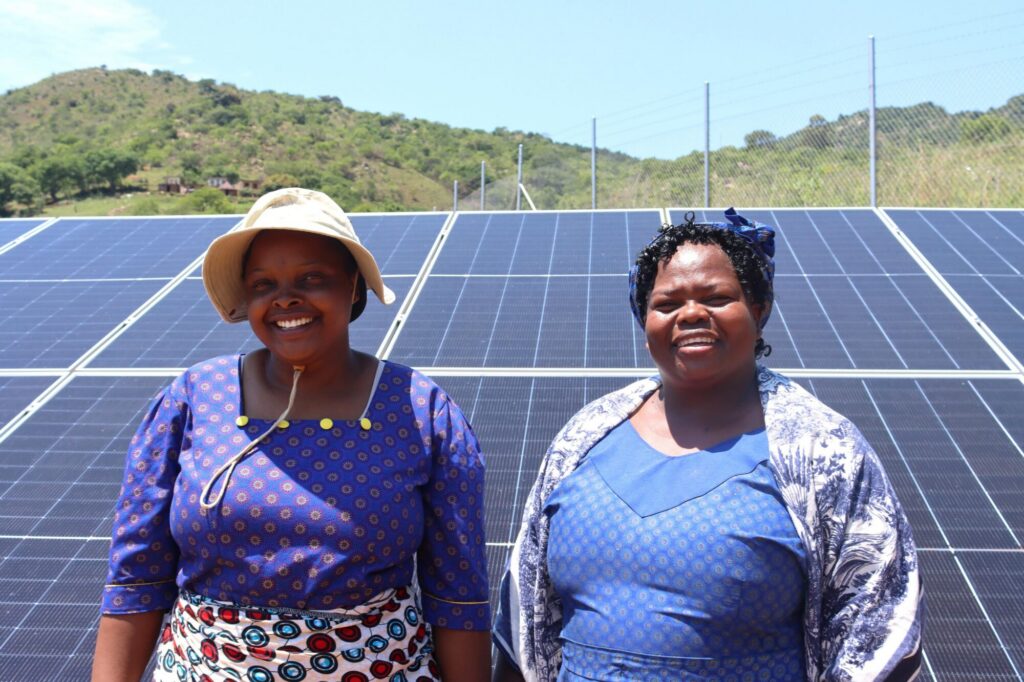
“Hope has been restored.” “We feel empowered.” “Wakhanya Bulimeni.”
For communities in Mvundla and Bulimeni, these words reflect a renewed sense of hope as the AMP Eswatini brings electricity closer and opens up possibilities for new livelihoods and economic opportunities. Through the voices of residents, the programme demonstrates how solar minigrids and Productive Use of Energy (PUE) enterprises can create new opportunities and improve livelihoods in last-mile communities.
As construction progresses at the pilot sites, community members have shared their experiences, expectations and hopes for the future. From gaining business management skills and establishing cooperatives to anticipating improved access to electricity and local services, their stories offer a glimpse into what these developments could mean for their communities.
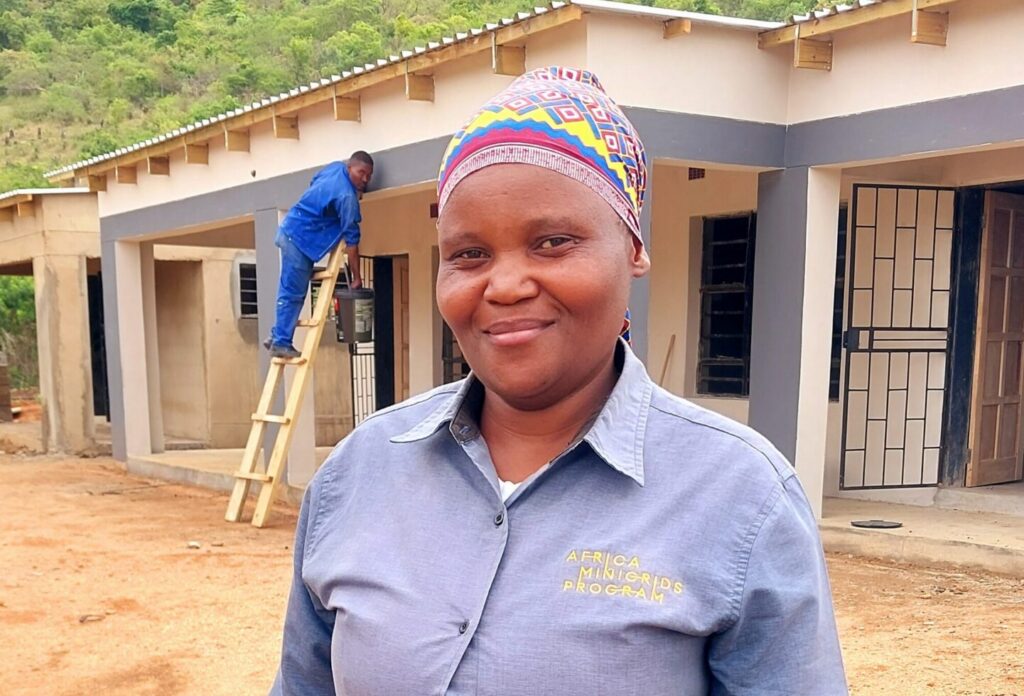
“We now have the knowledge to run our own businesses” – Sithembile Vilakati, Mvundla Community Representative
Having mobilised community members in Mvundla to attend AMP meetings and participate in activities leading up to the establishment of Productive Use of Energy enterprises, community representative Sithembile Vilakati shares her joy and excitement.
“Since the AMP came to our community, we have moved from having limited business knowledge to establishing a community cooperative. Further to that, we received training that has opened new opportunities for us as Mvundla residents, as we now know the basics of business management.
“In addition, we now have a fully registered cooperative, Sivikelwe Mvundla, which will provide a foundation for us to organise our business interests and pursue opportunities enabled by the power from the minigrid.
“We are also happy that we will now have milling services and a sewing facility, as we have always travelled to Sigcineni to obtain school uniforms for our children at a painful transport cost.
“However, the availability of sewing services in our local communities can now ease this financial burden while creating opportunities for us to earn income through businesses established within our community. I hope that the opportunity given to us by the AMP will enable us to provide for our children and families, meeting local needs as we grow our enterprises over time.”
Sithembile Vilakati’s aspiration reflects the wider promise of the AMP, which is to equip last-mile communities with the skills, infrastructure and organisational structures to participate more actively in their own economic development.
Mvundla cooperative committee member Vilakati Mcebo also shares her excitement about the AMP’s PUE initiative in Mvundla. She says:
“Our hope has been restored, for a community which had very few opportunities nearby. We are confident that other community members will also be empowered to start businesses that can help them support themselves and their families just as we have.”
Mcebo sees the cooperative as an overarching structure through which members can establish and protect individual business ventures while creating room for future expansion.
The Sivikelwe Mvundla cooperative has approximately 65 members to date, with membership open to those who pay the E100 joining fee. Some members have also purchased shares, with payments possible through MTN Mobile Money (MoMo).
The long-term goal of the members is to use profits from the cooperative to establish additional ventures such as baking and broiler production. Such plans illustrate how the benefits of energy access could extend beyond the initial business facilities.
In spite of the exciting benefits of the cooperative’s establishment, Mcebo acknowledges that infrastructure challenges remain. The bridge leading to the Mvundla community needs to be rehabilitated to improve access and enable businesses to attract customers from neighbouring communities such as Ngoloza and Lukhele.
A dream come true for Bulimeni
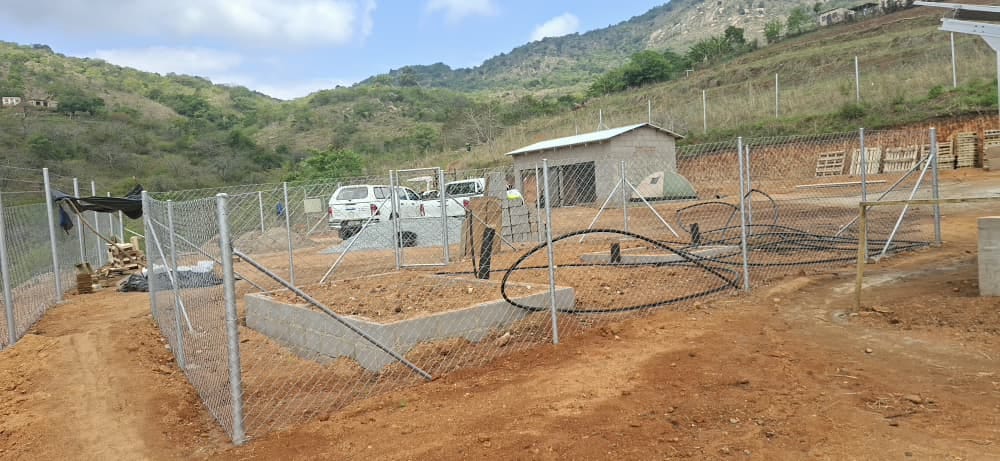
Bulimeni community members are also excited about the installation of a minigrid that will power their community, which has been unable to get connected to the main grid due to its mountainous terrain. In addition to the power that will light their homes, the community is also excited about the Productive Use of Energy structures that have been constructed in their community to power business activities for their newly established cooperative.
Bulimeni community representative Siboniso Tsela reflects on what this development means for residents.
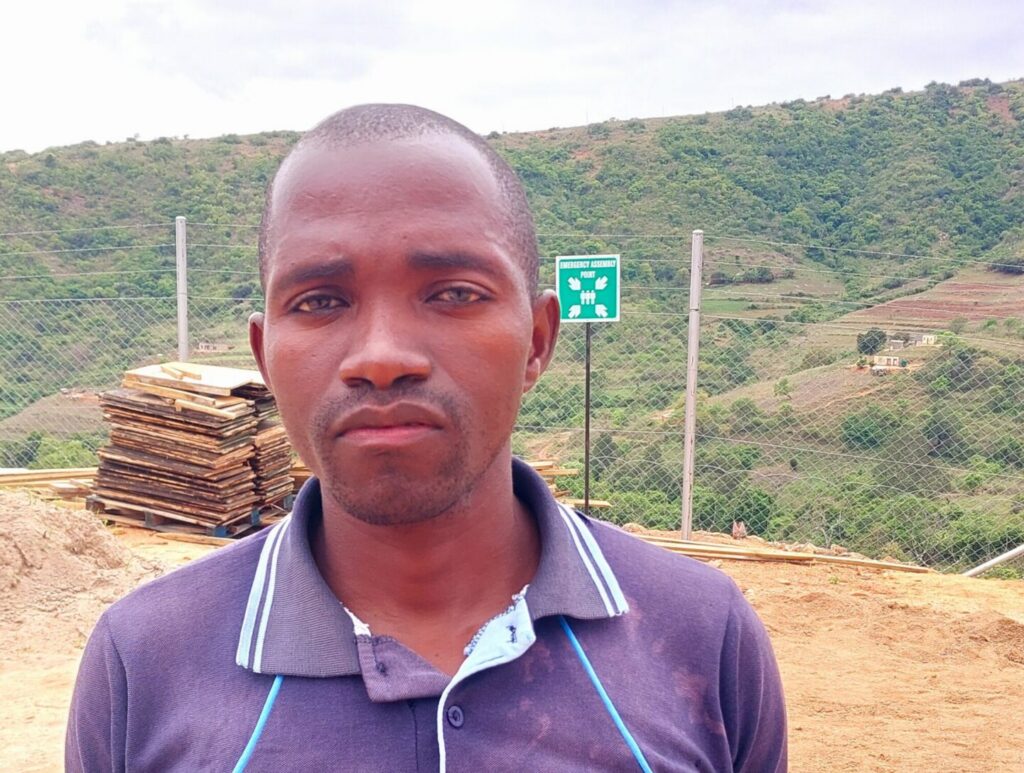
“Finally, We Will Have Power in Bulimeni” – Siboniso Tsela, Bulimeni Community Representative
“As a community representative who has represented our community under the AMP, from the time when the idea of power in Bulimeni was nothing but a distant dream, I am happy to see the vision of power in our community coming to light. After a long period of anxiety, the installation of the minigrid in Bulimeni has renewed community optimism and raised expectations for a better way of life, improved services and economic opportunities.
“We are very happy with the developments on site, as we had initially lost hope in the prospects of getting electricity as a remote community. However, after witnessing the official launch and seeing how far the project has gone, we realised that our dream was actually going to come true.
“In addition to the electricity, we have also benefited from road rehabilitation that we collectively undertook as a community to make the Bulimeni project site more accessible through our own initiatives. This was in light of our mountainous terrain and deteriorated roads that had made it difficult for vehicles to navigate the route.
“As a farming community, we are happy that we will now have a maize mill within easier reach, preventing us from travelling long distances to process maize at a cost. These developments represent a long-awaited step toward improving our living conditions. ‘Wakhanya Bulimeni.’”
Creating opportunities for women
Community member Siphiwe Tsela also outlines how community members, particularly women, feel empowered owing to the availability of solar power for their business enterprises.
“For women who have long felt excluded from economic development, the emerging PUE businesses represent an opportunity to turn existing skills into productive livelihoods. As an elderly woman within the community, I am really excited about the progress we are seeing.

“For a long time, we felt left behind when it came to development in the country. But today, we feel empowered.” – Siphiwe Tsela, Bulimeni Community Memeber
“Farming has traditionally been one of the few practical economic activities available to our community. However, the addition of a business component has created hope that community members can now explore other opportunities.
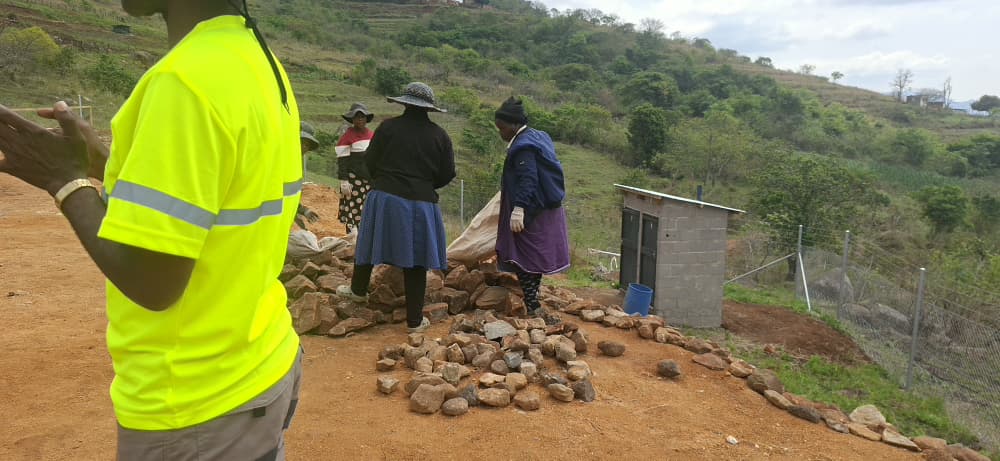
“I am particularly happy about the sewing, which will help us women to generate income and improve our livelihoods. We are also happy about the way in which we were able to contribute towards the minigrid development by helping to collect stones for retaining structures at the project site. This made us feel included in the making of history in our community.”
These efforts, highlighted by Siphiwe Tsela, reflect a growing sense of ownership and the community’s willingness to prepare for and participate in the opportunities emerging around them.
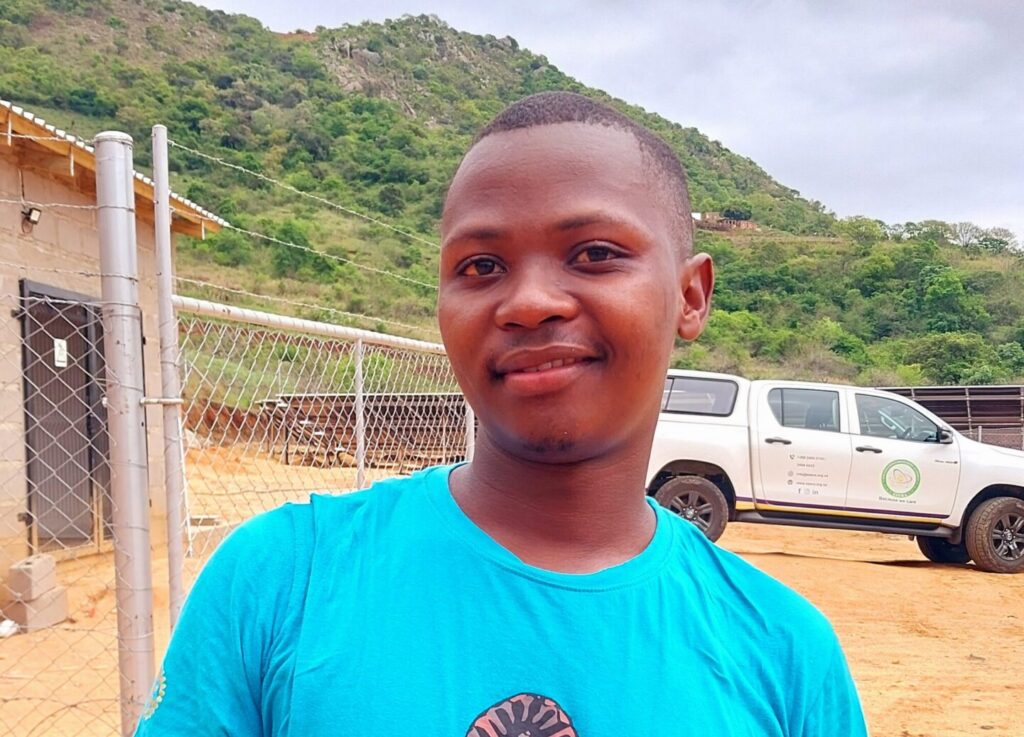
“Solar power gives us hope for the future.” – Siboniso Tsela, Wandile Mangwe, Bulimeni Youth
For young people, reliable electricity represents the possibility of better learning conditions and a future with more opportunities.
“As a young man who grew up in this area, I can describe how difficult life has been for us. I remember long, tiring walks between school and home on poor, mountainous roads, and how studying at night was a struggle when the only option was candlelight.”
Wandile’s reflections reveal the everyday challenges that limited infrastructure can create for young people in rural communities. Difficult roads and inadequate lighting can make balancing school and home life challenging. As such, the prospect of electricity and improved access has given him renewed optimism. His hopes reflect an important dimension of rural electrification: its potential to support not only present needs, but also the aspirations of future generations.
Beyond the testimonials
The experiences shared by residents of Mvundla and Bulimeni reveal how the Africa Minigrids Program is connecting renewable energy access with wider socioeconomic development. Through its combination of minigrid infrastructure, business training, cooperative development and productive-use facilities, the programme has laid the groundwork for communities to use electricity as a resource for economic participation.
The initiative also demonstrates the value of community participation. From contributing labour to improving access roads and preparing homes for electricity connections, residents are playing a role in shaping the developments taking place around them. These outcomes align with the United Nations Sustainable Development Goals, particularly SDG 7 on Affordable and Clean Energy, SDG 1 on Ending poverty, SDG 2 on Food Security, SDG 5 on Gender Equality and SDG 8 on Decent Work and Economic Growth.
Nevertheless, the long-term socioeconomic impact will depend on the successful operation of the facilities, effective business management, sustained demand for local services and continued attention to infrastructure challenges. The testimonies therefore represent both progress achieved and aspirations for the future.
For more on how minigrids are transforming lives in remote communities in Eswatini, read UNDP Eswatini’s story, “Mini-grid to transform lives in remote Eswatini community.”