The Africa Minigrids Program (AMP) in Eswatini is making progress on two pilot projects in Mvundla and Bulimeni, bringing solar-powered electricity infrastructure and productive use of energy (PUE) facilities closer to completion. The projects combine minigrid development with community-based enterprise facilities designed to support local economic activity.
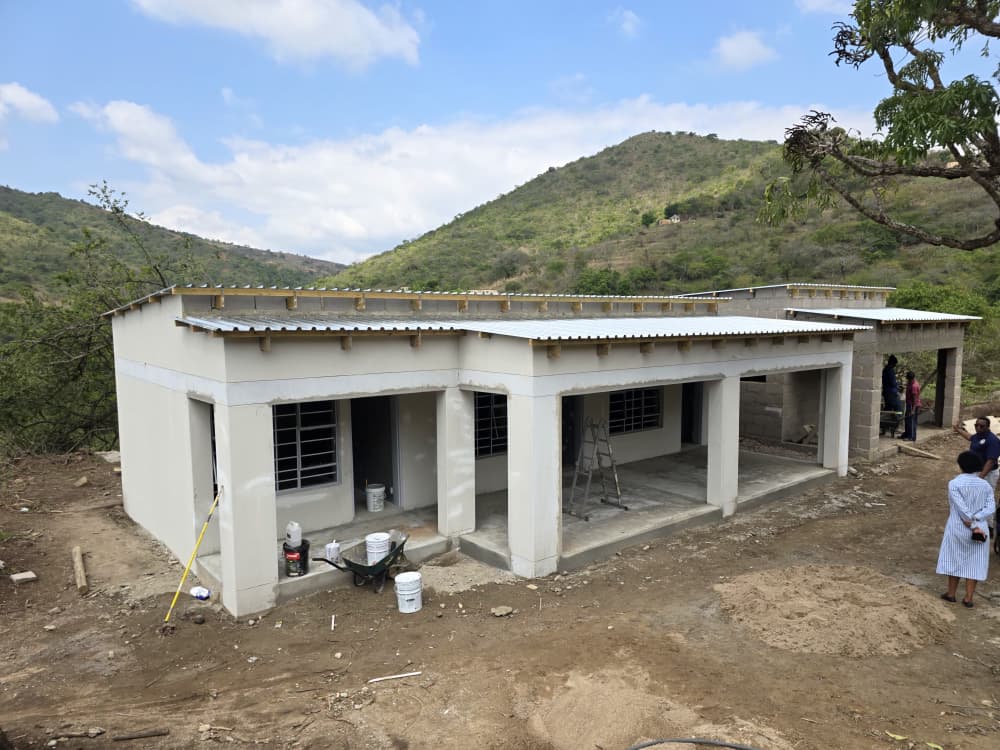
In Mvundla, work is progressing on the solar minigrid overlay, which integrates solar generation and battery storage with the existing electricity grid infrastructure. Construction of the PUE facilities has also advanced. The maize mill building is complete, as are the structures intended to house a hair salon and tailoring services. The remaining work includes procuring the hammermill for the maize mill and installing the salon fixtures, fittings and sewing equipment.

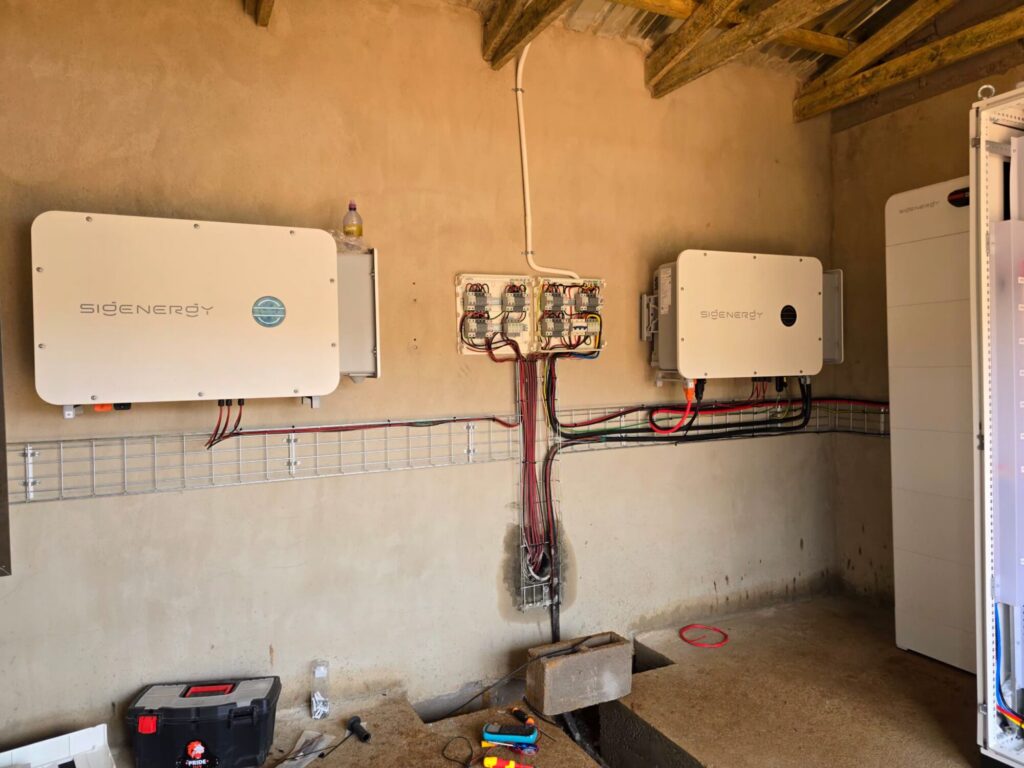
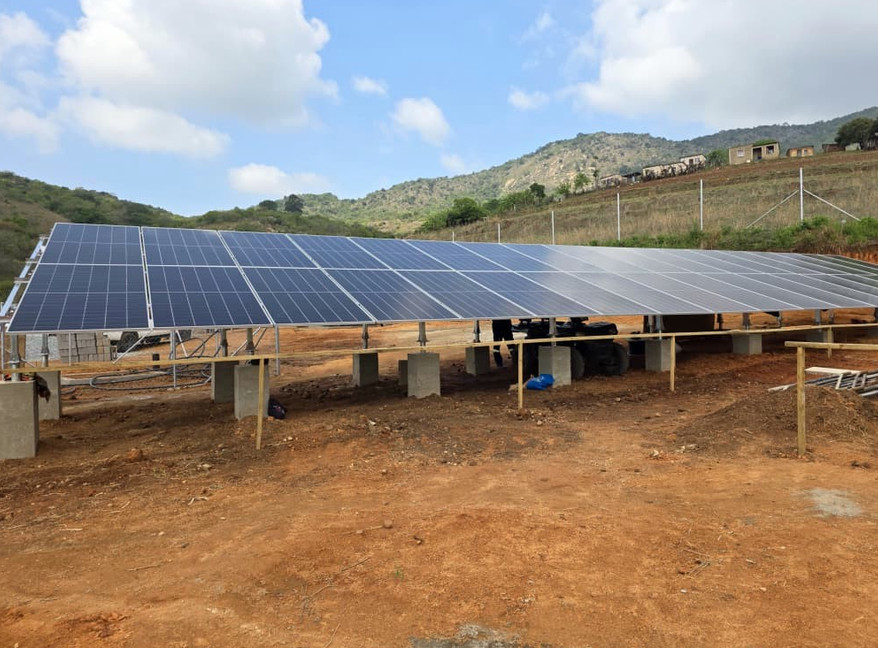
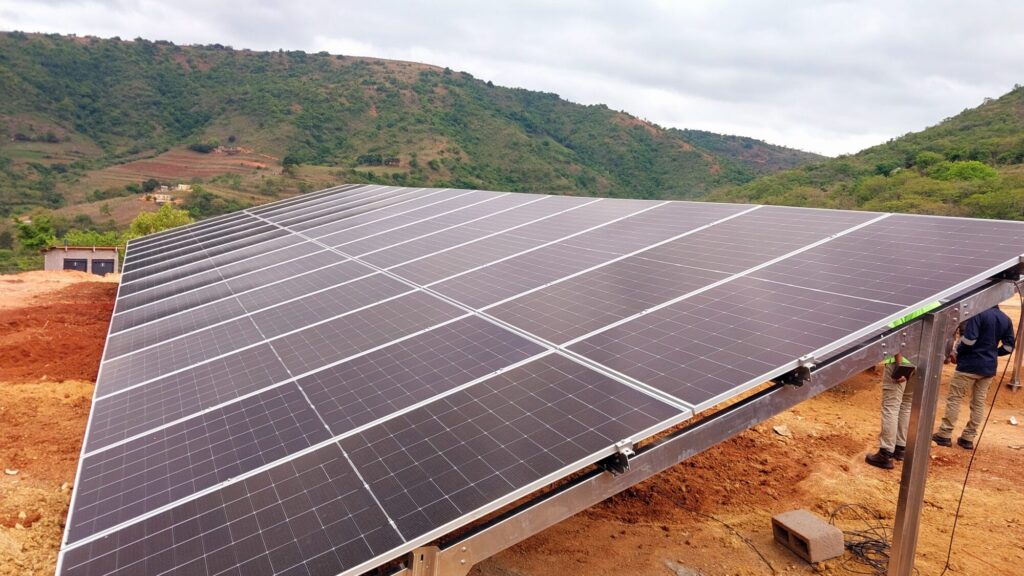
In Bulimeni, development of the planned 65 kW solar minigrid is progressing. Three solar panel arrays have been installed, with one connected and supplying power to the inverter room at the substation. Installation of the remaining two arrays is planned as part of the next phase of work.
The system is designed to include 165 kWh of battery storage. One battery unit has been fully installed, while the second has been assembled on site. One inverter is awaiting connection and energisation. Work on the distribution network is also advancing, with 96 holes excavated for electricity poles. Pole erection is the next step, while the project awaits delivery of transformers. Procurement of the substation’s Ring Main Unit also remains outstanding. Completion of the minigrid is anticipated in December 2026.
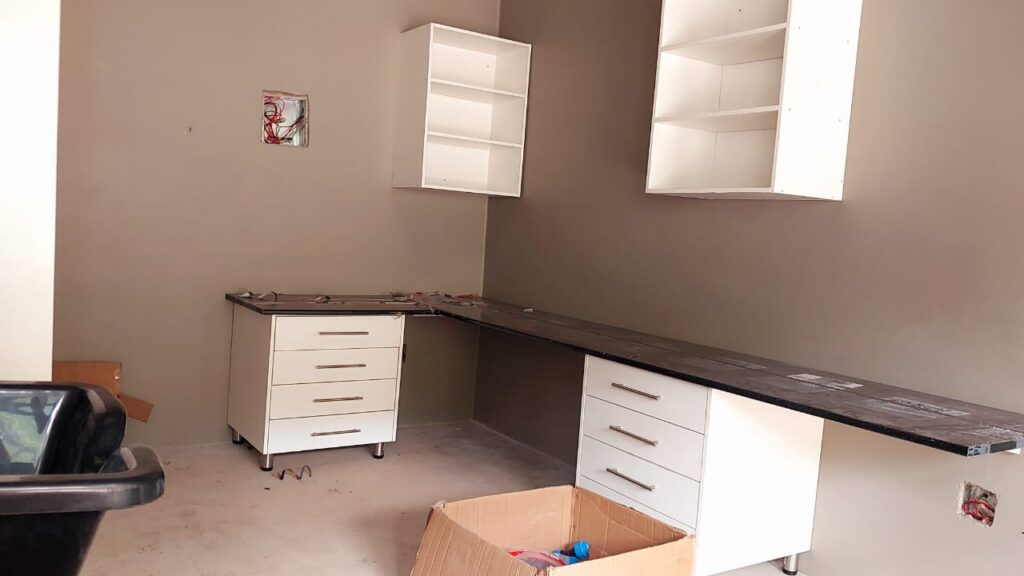
Construction of Bulimeni’s PUE facilities is similarly well advanced. The maize mill and business enterprise structures have been completed, with steel burglar-proofing installed and exterior painting underway. The hair salon structure is complete, with approximately 60 per cent of its fittings installed. The sewing warehouse is also complete and partially fitted. Procurement of the hammermill remains outstanding.
Across the two communities, the PUE facilities are intended to provide space and equipment for services including agricultural processing, hairdressing and sewing. Once operational, these enterprises are expected to help residents make productive use of the electricity supplied by the minigrids.
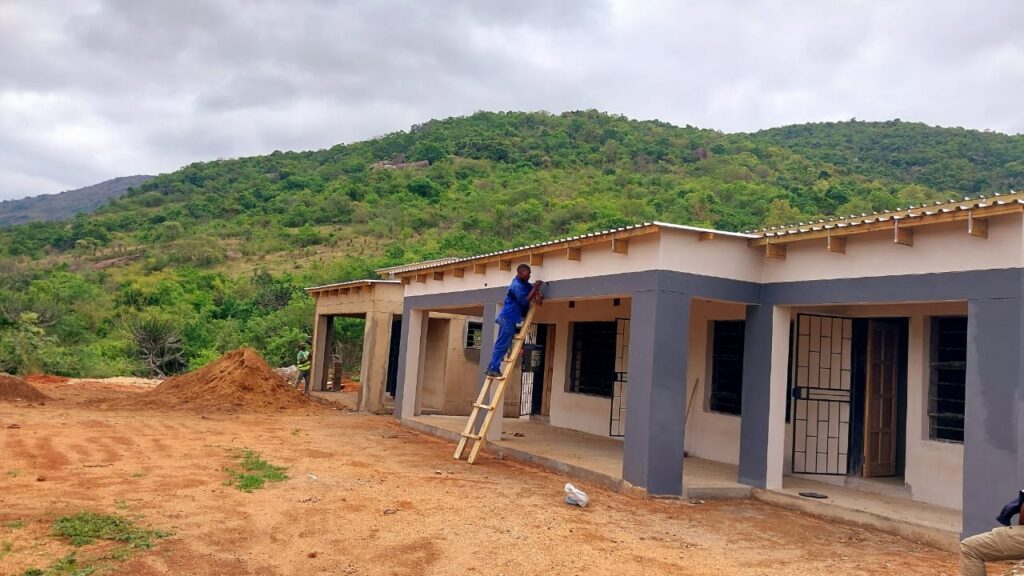
The construction work has also created local employment opportunities. Fourteen community members have been employed by the contractor, including seven women.
AMP Eswatini Project Manager Ncamiso Nkambule has emphasised that the long-term success of the facilities will depend not only on infrastructure and reliable electricity, but also on effective enterprise management, access to markets and the skills needed to sustain business operations.
AMP’s investments in minigrid infrastructure and PUE facilities in Mvundla and Bulimeni are intended to do more than expand access to electricity. By connecting decentralised energy infrastructure with productive activities, the pilots aim to create opportunities for local enterprises, strengthen livelihoods and contribute to economic development. As the projects approach completion, the next phase will be critical in translating construction progress into tangible benefits for the communities, supported by effective enterprise management, skills development and access to markets.