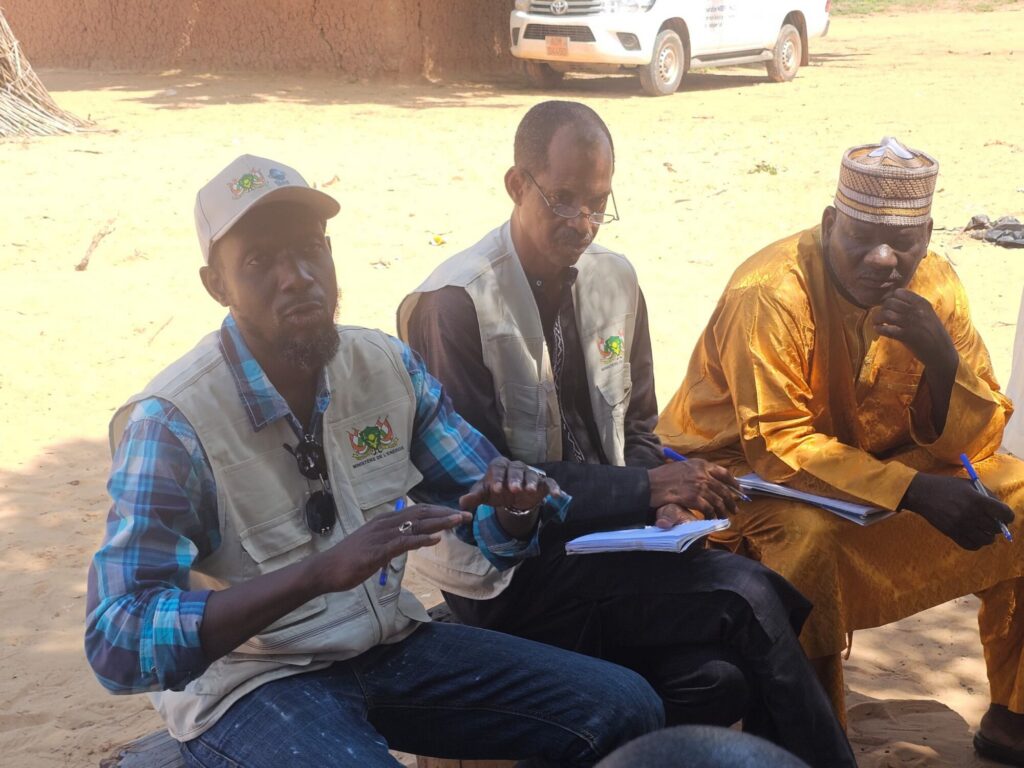
In Niger, only around 5.3% of the rural population had access to electricity in 2020, according to the World Bank. Expanding access is essential to creating opportunities for communities and improving access to services.
Against this backdrop, from 28 August to 1 September 2026, the Africa Minigrids Program (AMP) team in Niger, working with the National Agency for the Promotion of Rural Electrification (ANPER), visited three villages in the Dosso region as part of preparations for a pilot solar rural electrification project.
The mission focused on Kobodey, Gobirko Zanguina and Gobirka Banizoumbou, all located in Fakara commune, Boboye department. Supported by the United Nations Development Programme (UNDP) and financed by the Global Environment Facility (GEF), the pilot project aims to expand access to electricity in rural communities through solar energy.
Engaging local authorities and communities
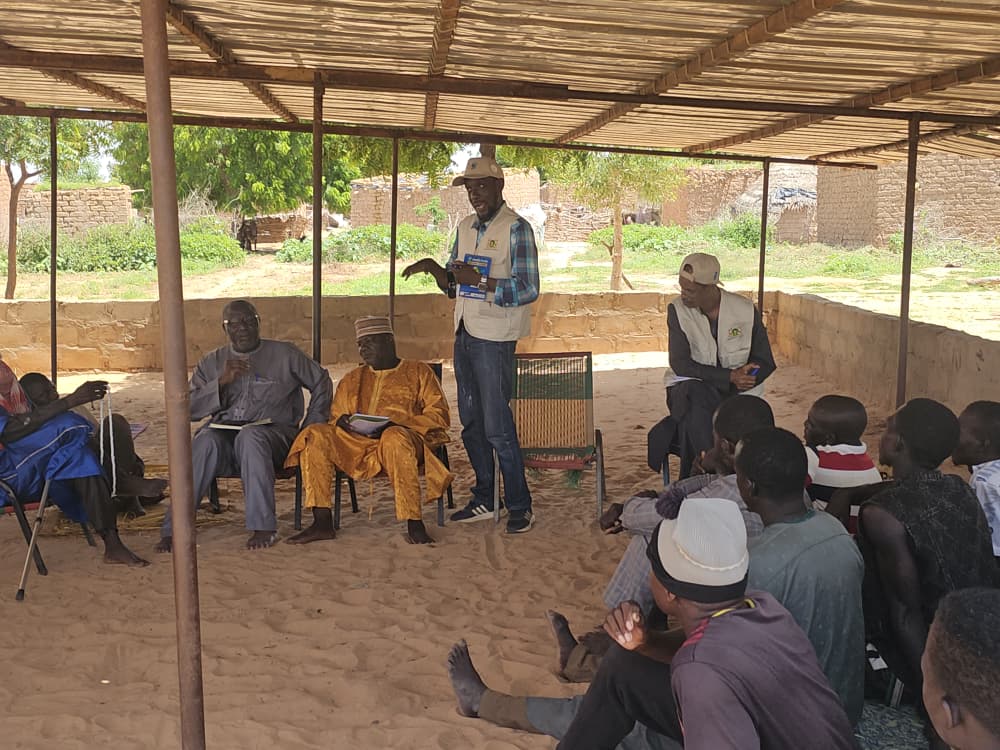
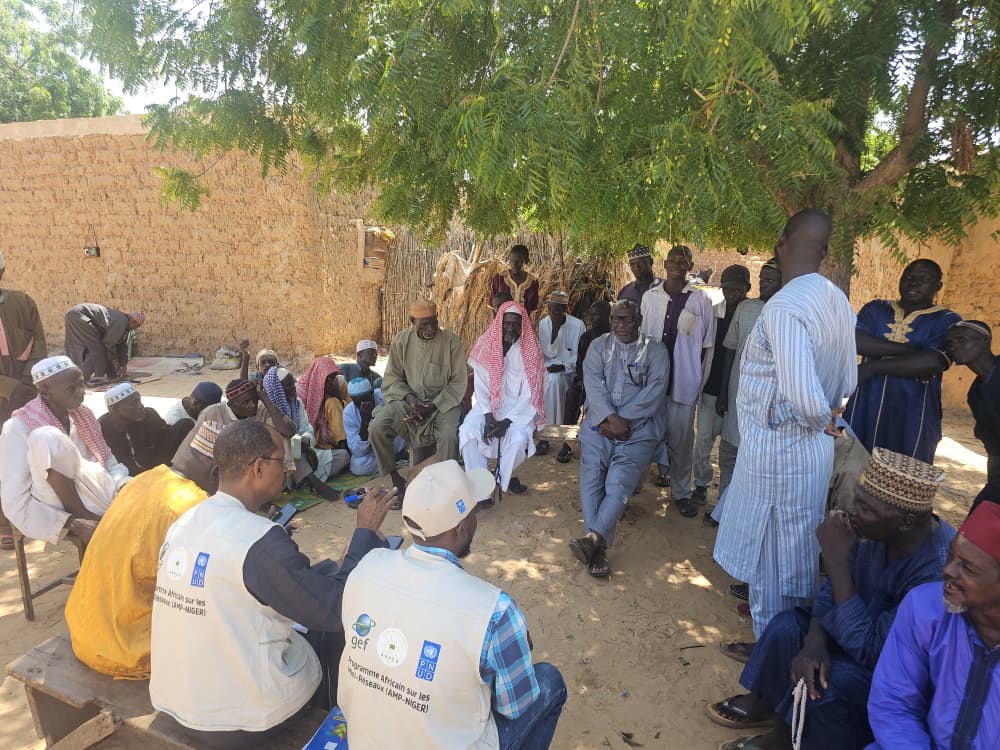
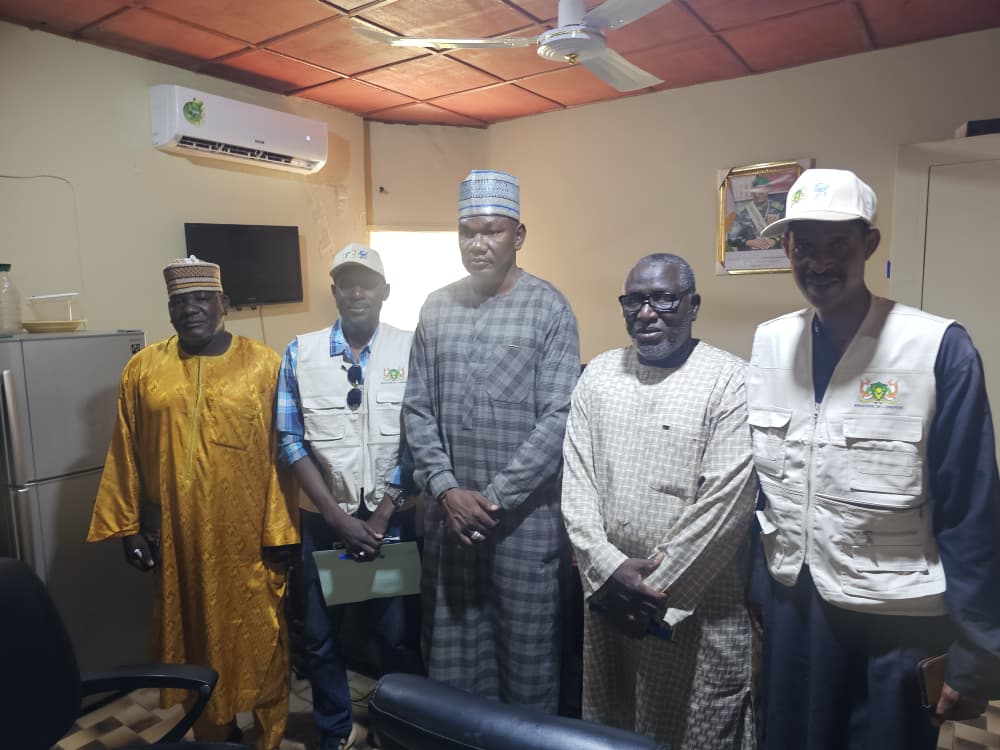
The team first met with regional and local authorities, including representatives of the Dosso Governorate, Boboye Prefecture and Fakara commune, before holding consultations with village chiefs and residents.
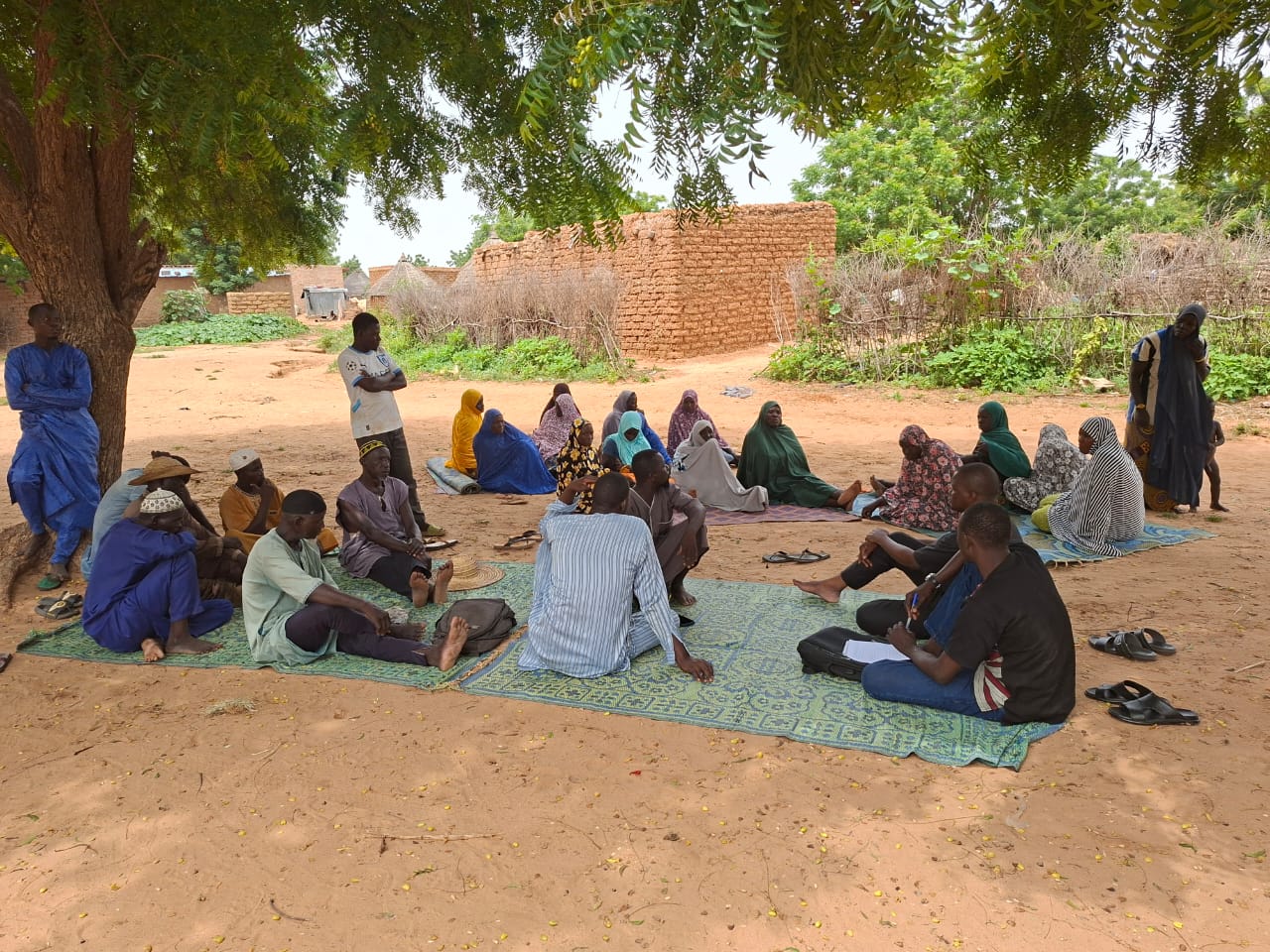
During these discussions, the team explained the objectives of the project, the expected benefits of rural electrification and the role communities and local stakeholders can play in supporting its implementation.
Residents welcomed the prospect of gaining access to electricity. Women’s and youth groups also expressed their willingness to participate in and support the project. Community members highlighted the potential for improved education and healthcare services, as well as opportunities to strengthen household incomes through income-generating activities.
Understanding community needs and preparing for implementation
The consultations also provided an opportunity for residents to raise practical questions about how electricity services would work. These included household connection arrangements, payment methods, internal electrical installations, infrastructure management and support for income-generating activities.
The project team explained that connection and payment arrangements would be determined through subsequent studies. It also outlined plans to recruit delegated service operators to manage the future installations, while discussions on the appropriate management model remain ongoing.
Alongside the community consultations, the mission sought to identify the geographical characteristics of the target villages and gather information on households, community infrastructure and potential income-generating activities. This information will help inform preparations for the pilot project.
The commune also made municipal land available in Gobirka Banizoumbou for the project, with arrangements for its protection to be handled at the local level.
Building local ownership
The mission highlighted the importance of involving communities and local authorities from the early stages of rural electrification projects. Residents and local leaders expressed their willingness to support and protect the future solar installations, recognising the potential benefits for their communities.
As preparations continue, engagement with local stakeholders will remain important to ensuring that the planned infrastructure responds to community needs and can be sustainably managed over time.