
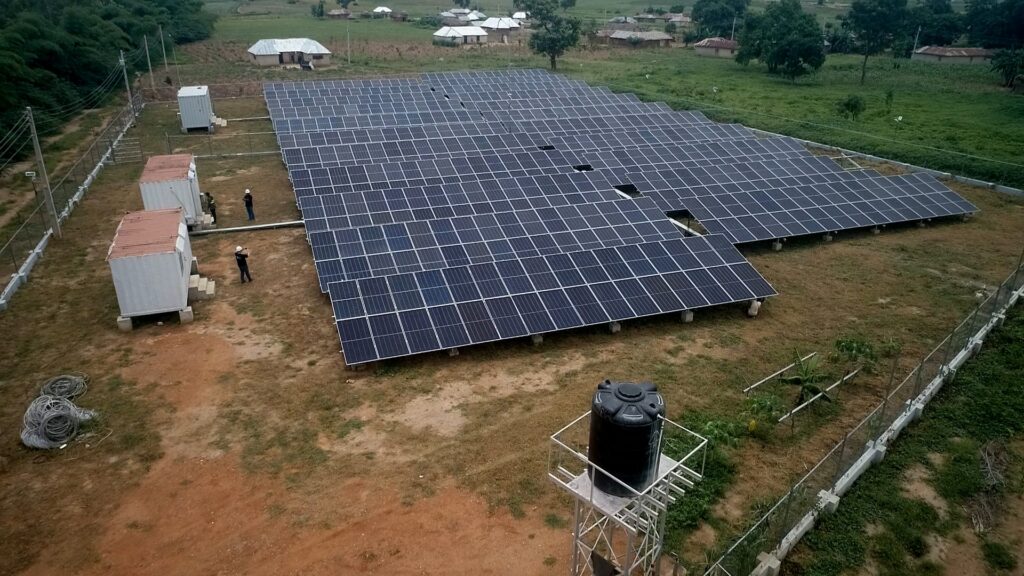
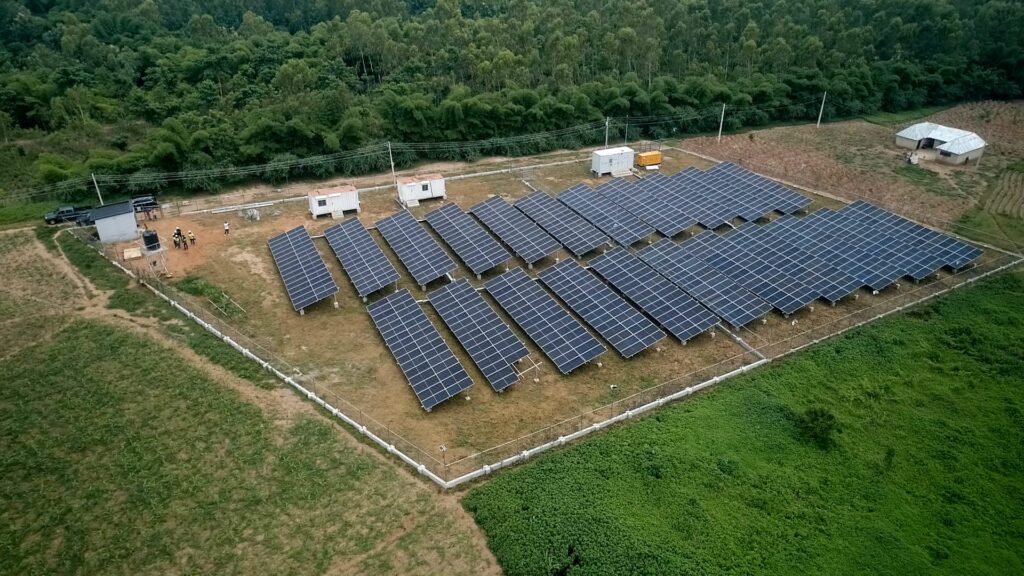
Nigeria has become the first national project under the Africa Minigrids Program (AMP) to reach implementation, marking a significant milestone since the initiative’s launch at COP27. At a media event held in Nigeria, representatives from UNDP, the Rural Electrification Agency of Nigeria (REA), and the Federal Ministry of Power unveiled the results of the program’s first pilot phase: 23 solar-powered minigrids delivering more than 1.3 megawatts of clean, reliable electricity to over 43,000 people.
The minigrids, implemented by REA in partnership with UNDP, the Global Environment Facility (GEF), and the Federal Ministry of Power, are already reshaping daily life in the communities they serve. Behind the technical figures are tangible changes: businesses staying open past sundown, agricultural value chains gaining new capacity, and households accessing power that many are using for the first time. The program’s broader goal, unlocking greater private investment in renewable energy while advancing a just and inclusive energy transition, is beginning to show results on the ground.
A regional advisor’s firsthand look
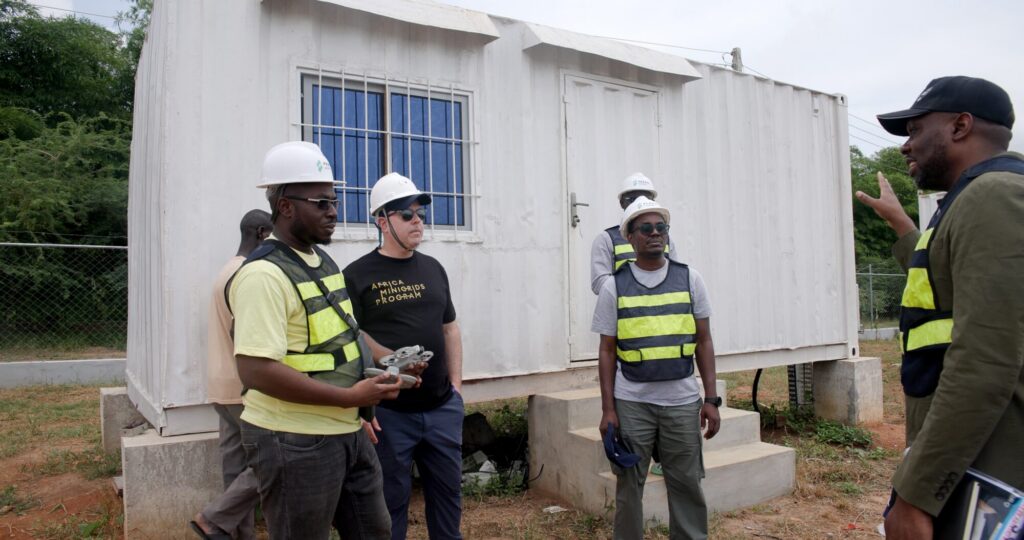
The scale of Nigeria’s rollout drew Faris Khader, UNDP’s Regional Technical Advisor for Climate Change Mitigation and Energy, to the country for a site visit alongside the media launch. Khader’s visit offered a technical, on-the-ground perspective on the program, a chance to see how AMP’s design is translating into functioning infrastructure and measurable community impact, distinct from the public-facing launch event itself.


Leadership and partnership
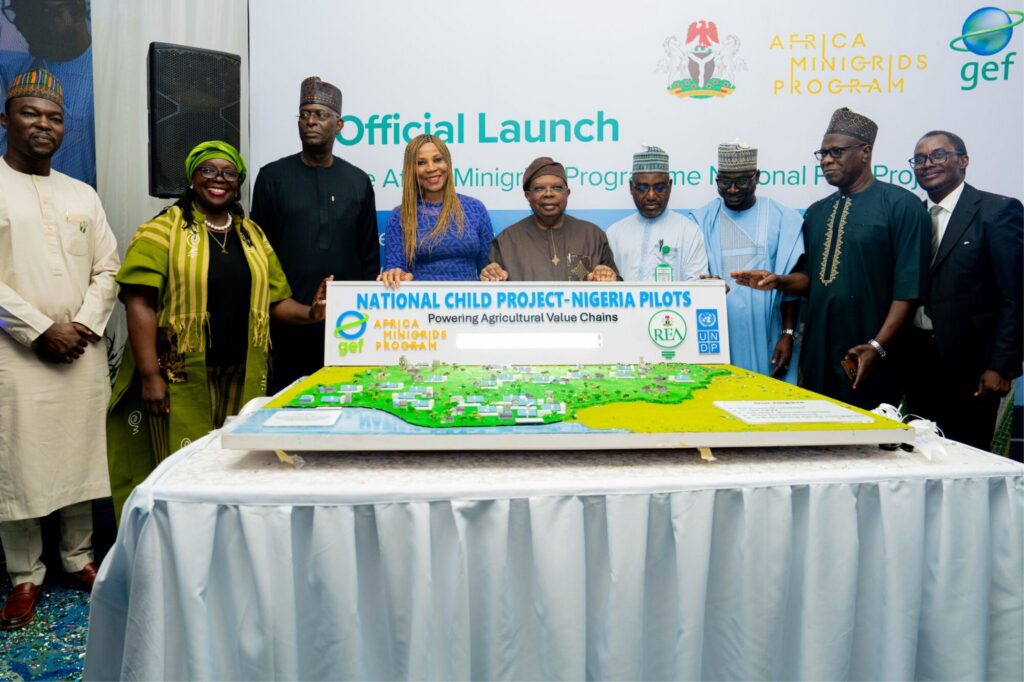
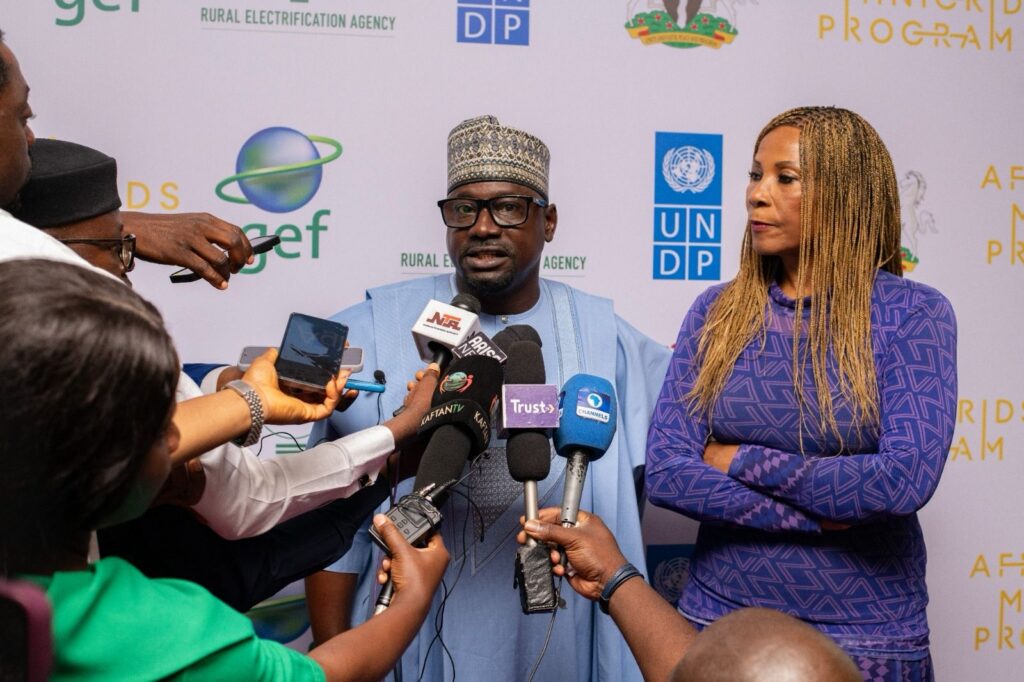
The media launch itself brought together senior leadership from across the program’s partners. UNDP Regional Director Ahunna Eziakonwa, whose presence echoed AMP’s original unveiling at COP27, joined REA Director General Abba Abubakar Aliyu, the Honourable Minister of Power Joseph Tegbe, UN Resident Coordinator Mohamed Malick Fall, and UNDP Resident Representative Elsie Attafuah to mark the occasion.
The event also featured the unveiling of the National Geospatial Atlas of AMP Pilot Sites, a mapping tool designed to document the location and status of each minigrid while supporting evidence-based planning for future renewable energy investment across Nigeria and the wider continent. Officials described the Atlas as a step toward greater transparency in how minigrid projects are tracked and scaled, both within Nigeria and as a model for other AMP national projects still in earlier stages of development.


What comes next
As the first AMP national project to complete this stage of rollout, Nigeria offers an early proof point for what decentralized renewable energy can achieve at scale. Officials and partners emphasized that the lessons learned here, from technical design to community engagement to investment mobilization, will directly inform how AMP’s remaining pilot countries approach their own implementation phases in the months ahead.