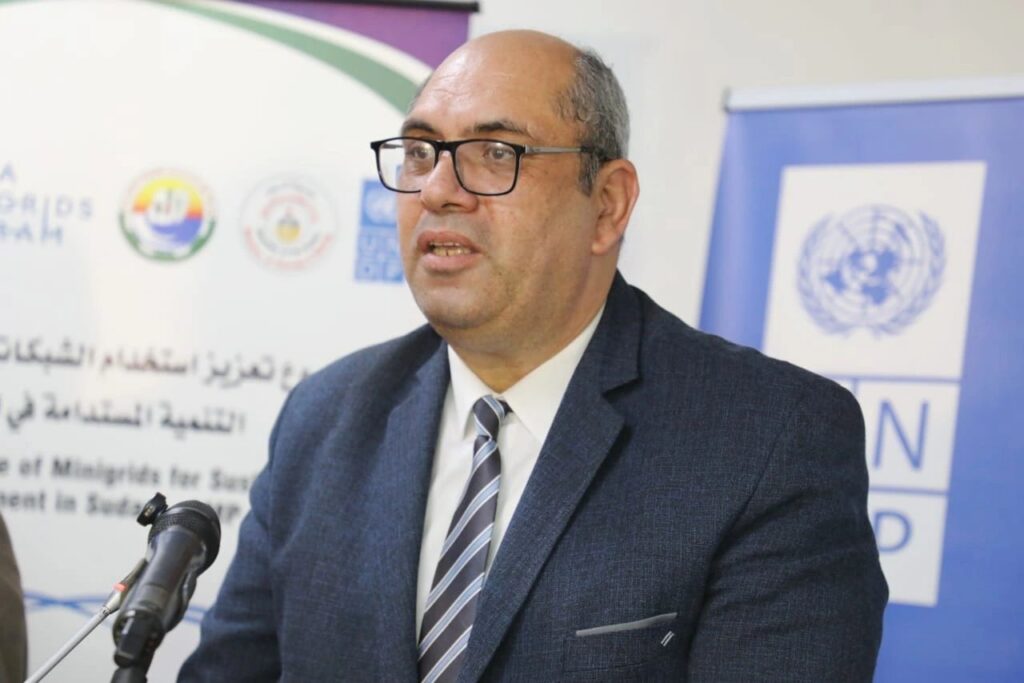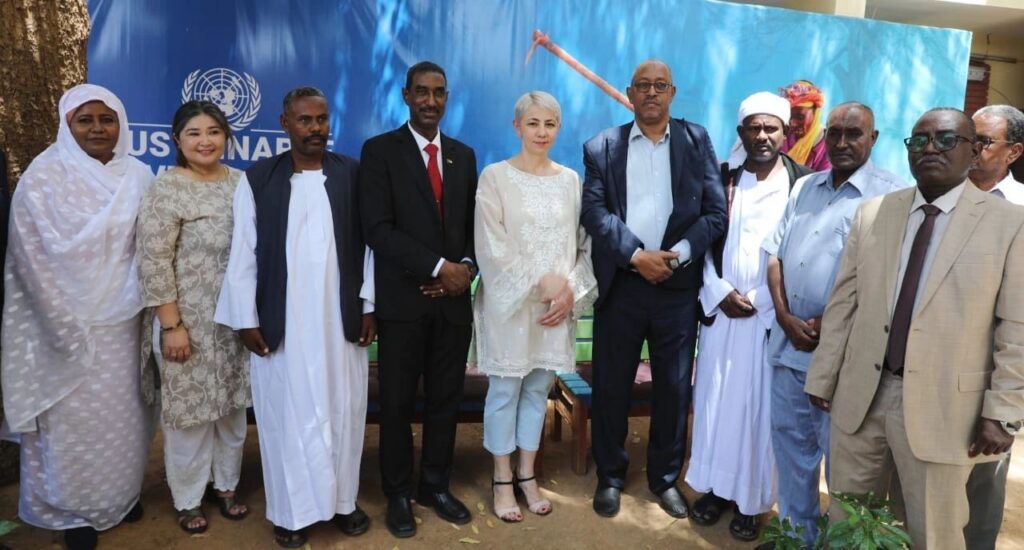
A national dialogue brings ministers, regulators, tribal leaders, and communities together to design Sudan’s minigrid delivery models.
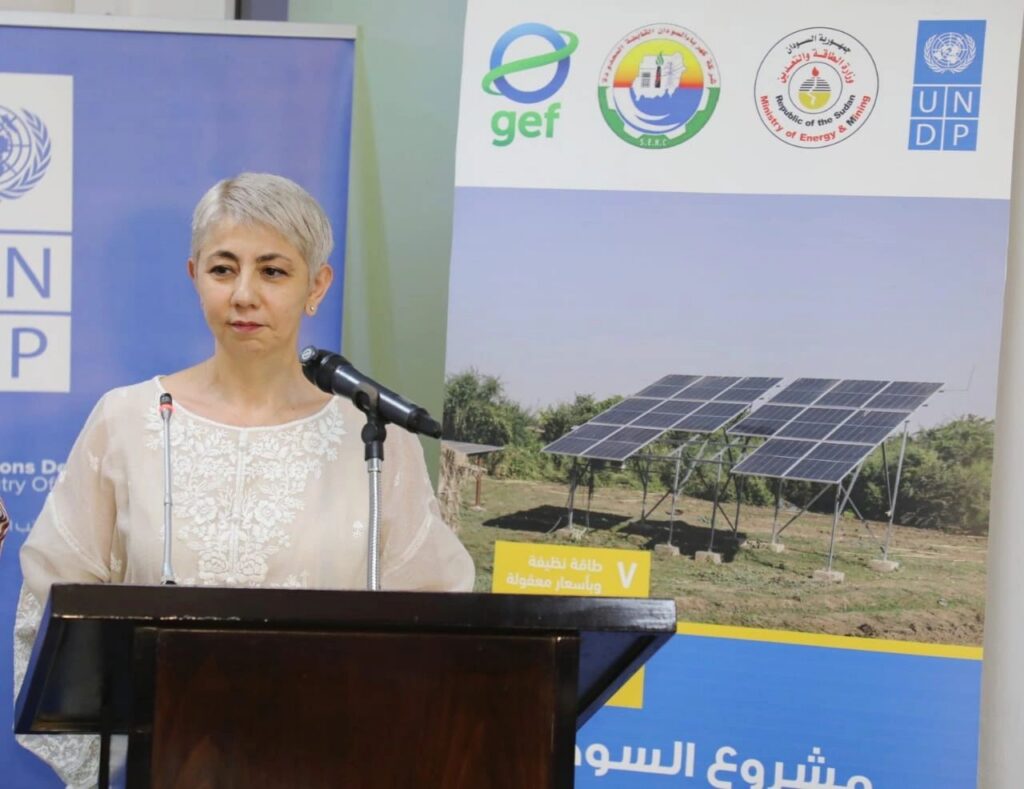
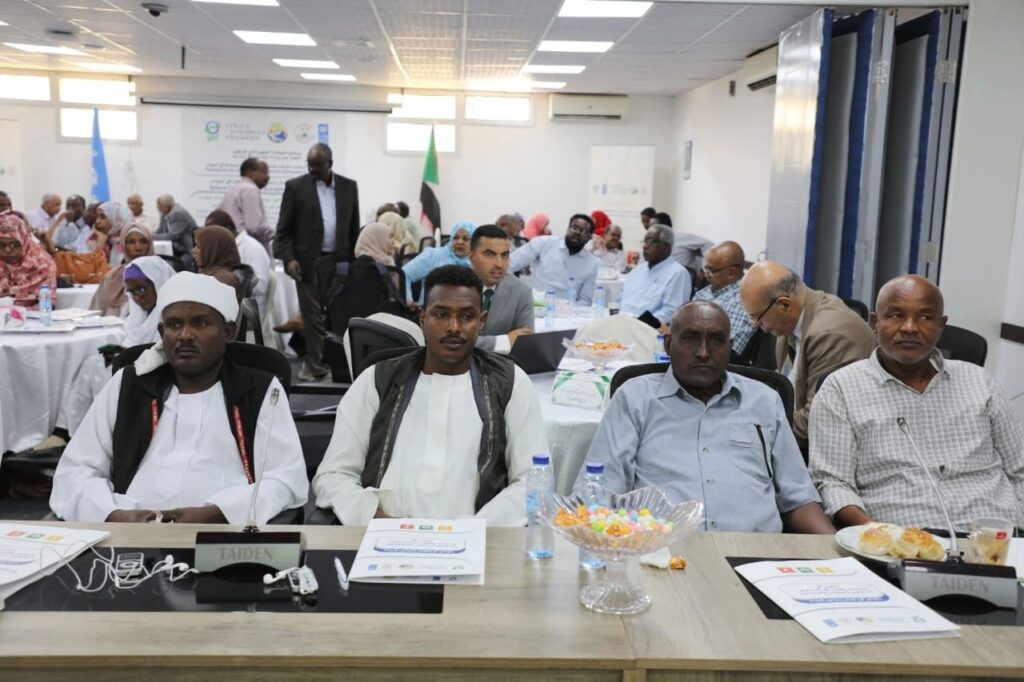
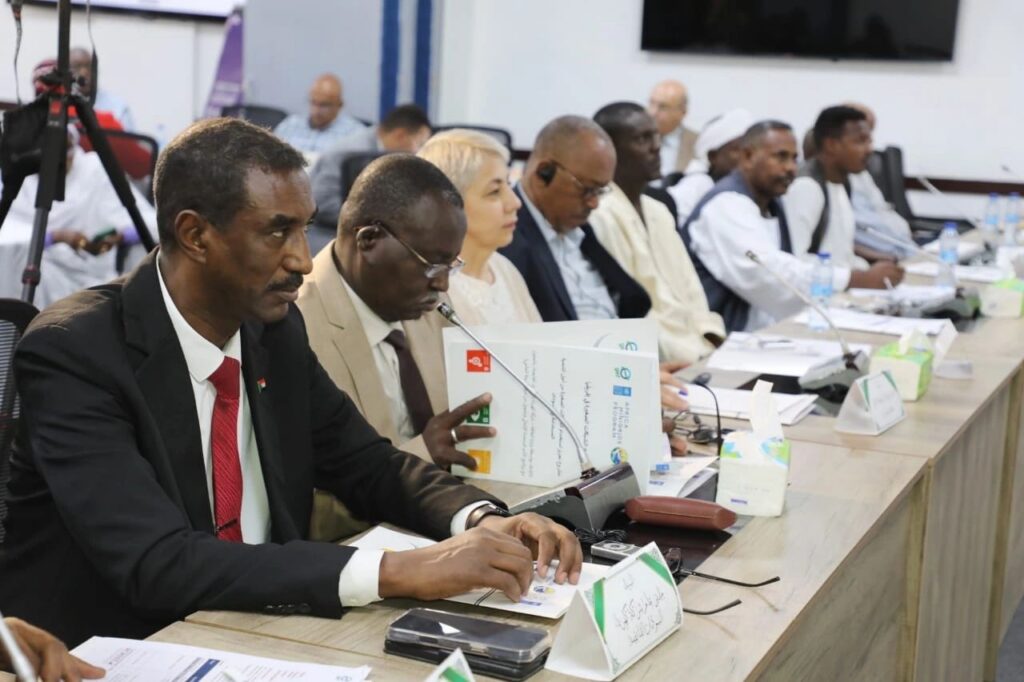
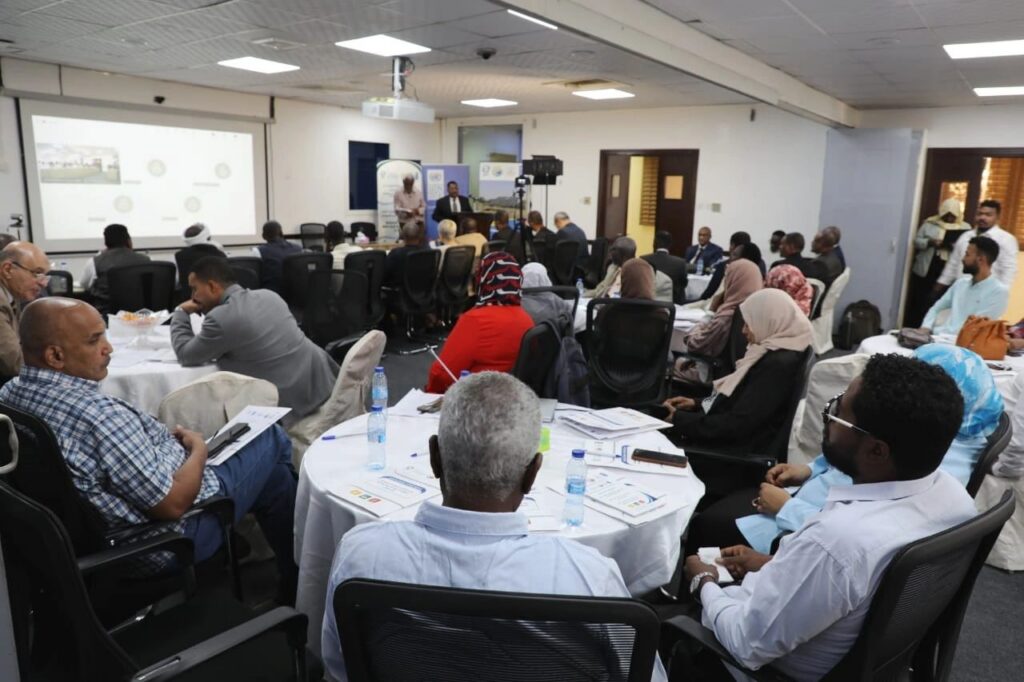
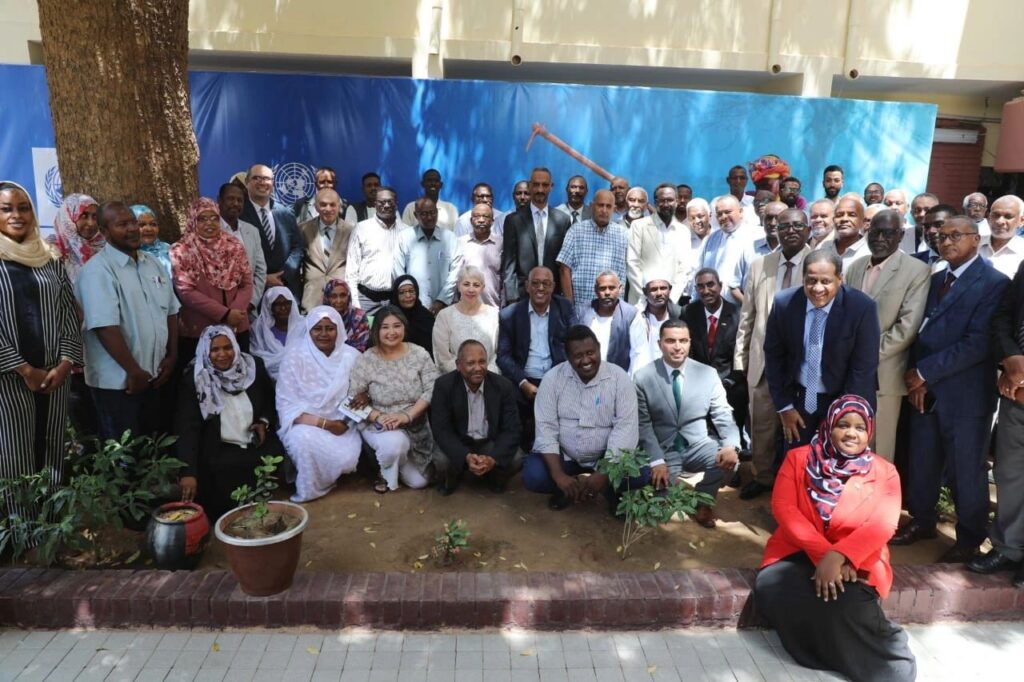
From 5 to 8 July, Sudan’s Ministry of Energy and Petroleum, in partnership with UNDP Sudan, convened the Country Dialogue on Solar PV Minigrid Delivery Models under the GEF-funded Africa Minigrids Programme (AMP). The four-day National Dialogue brought together an unusually broad set of stakeholders: ministers of state, regulators, and utilities alongside tribal leaders, community representatives, financiers, developers, academics, and civil society, drawn from across the country.
Designing with, not for, communities
The dialogue was convened with a clear premise: energy transitions are too often designed in capitals, far from the communities they are meant to serve. This one was different by design. Discussions tackled real, practical challenges, from regulatory hurdles to community ownership models, with the explicit goal of laying the groundwork for minigrids that reflect local realities rather than top-down assumptions.
From diagnosis to design
The National Dialogue built directly on a January 2026 diagnosis of investment barriers to the minigrid sector. Over these four days, that diagnosis moved into design: participants reached consensus on delivery models and priority regulatory reforms and established a Delivery Model Working Group to carry the outcomes of the dialogue into implementation.
Participants were candid about where Sudan stands today. As one organizer put it, conflict has widened the energy access gap for millions of Sudanese, the minigrid market remains young, financing is scarce, and investor risk is real. Rather than avoid these challenges, the dialogue treated them as the starting point for practical planning.
Sudan’s solar resources are among the strongest on the continent, and private sector interest in the market has persisted despite the crisis. As the same organizer put it, describing the shift in tone over the course of the dialogue, the word that kept coming up by the end was “Ready.”
A shared commitment
The dialogue closed with appreciation for the Ministry of Energy and Petroleum’s leadership, the GEF’s support, and RCREEE’s technical partnership, along with the UNDP Sudan team, the Programme Management Unit (PMU), and every community leader who travelled to take part. Energy, organizers emphasized, is not only about watts. It is about livelihoods, education, and health, and ensuring the solutions built through this process serve the communities who helped design them.
As Sudan moves from dialogue to delivery, the coming months will test whether the consensus reached this week translates into functioning regulatory reform and investable minigrid models on the ground.