Building Financial Capacity for Minigrid Development
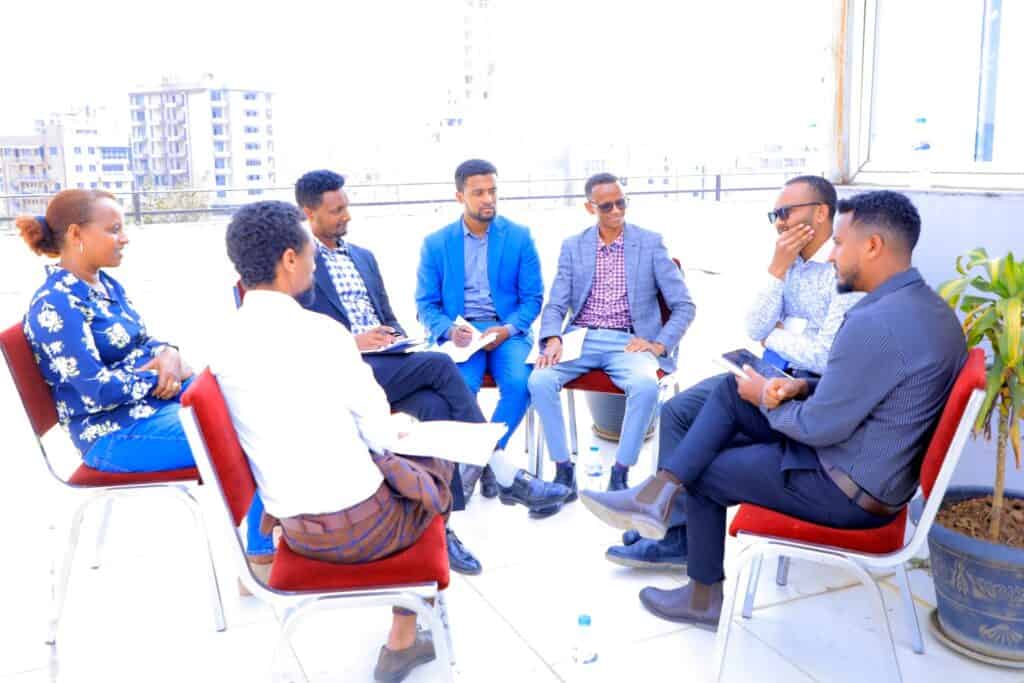
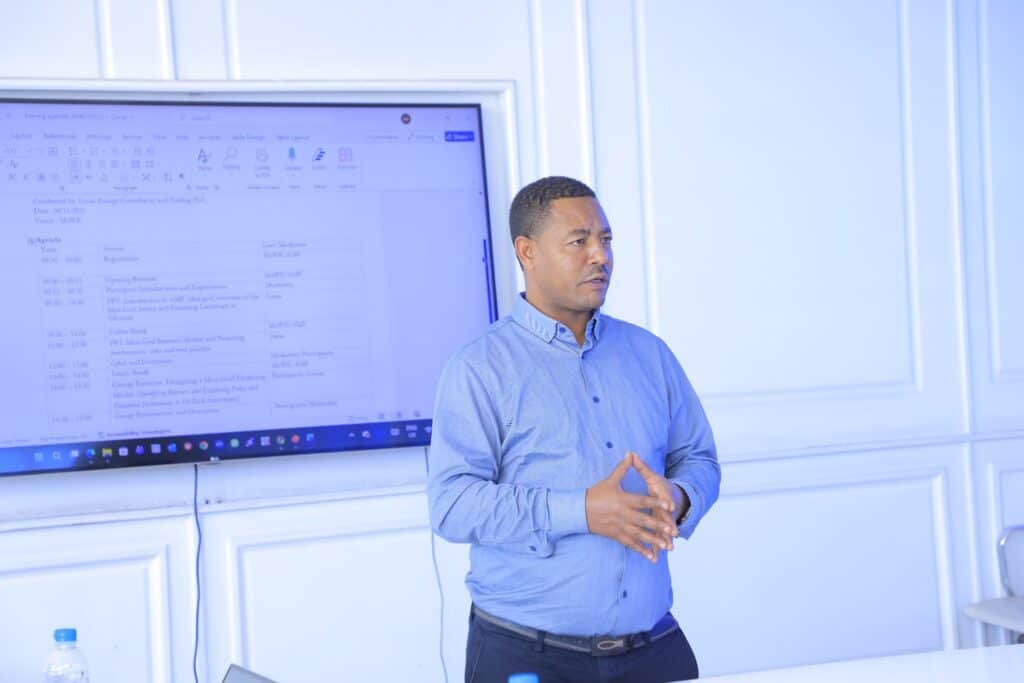
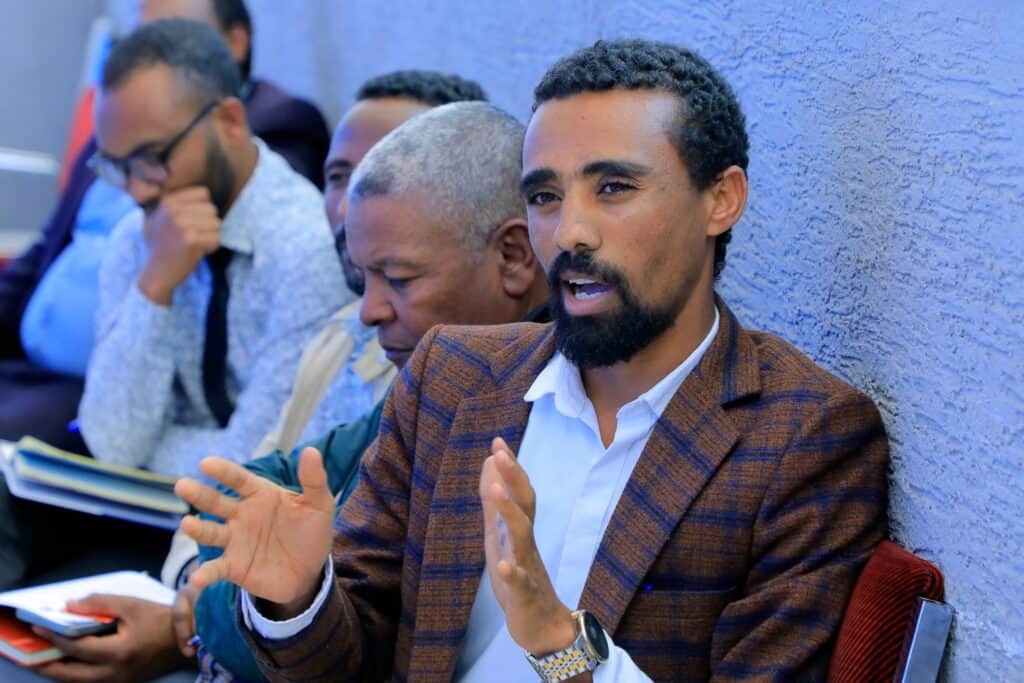
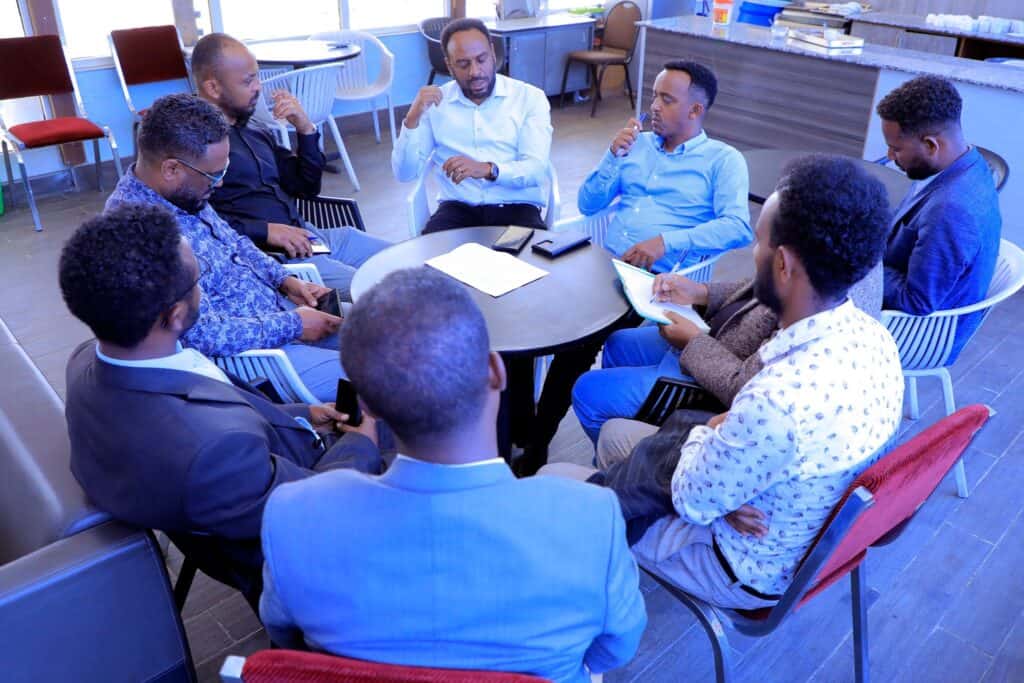
In Addis Ababa, fifteen selected banks and microfinance institutions took part in a one-day training delivered under the Africa Minigrids Program (AMP). The session aimed to strengthen the capacity of financial institutions to assess and finance solar minigrid projects, an important part of Ethiopia’s strategy to expand reliable electricity access in rural and underserved areas.
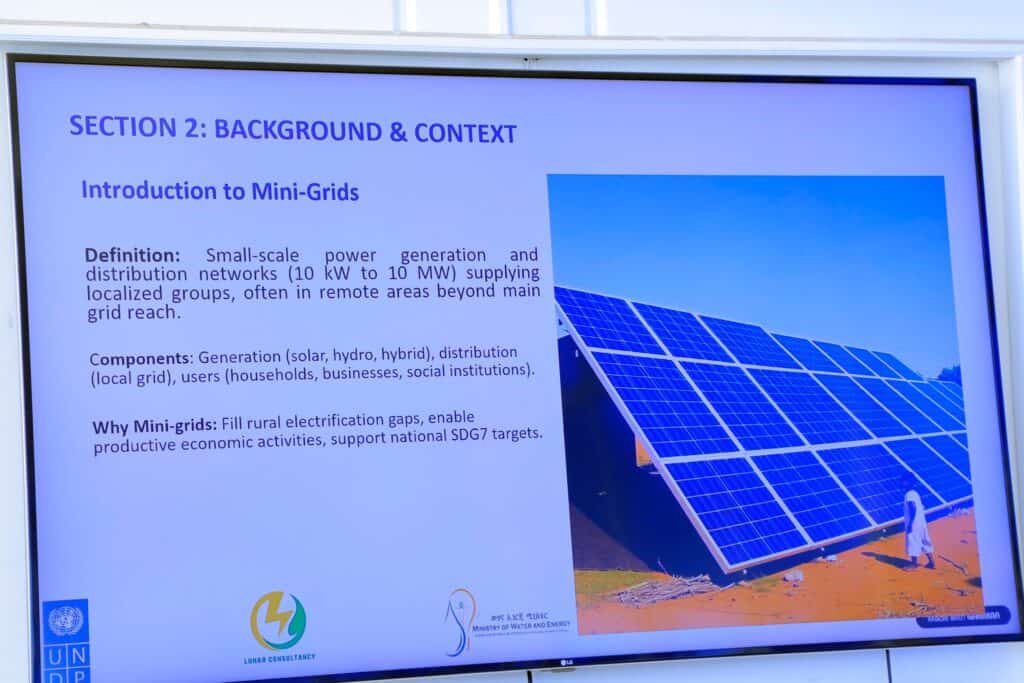
Across Ethiopia, many communities remain far from the national grid and continue to face barriers related to limited or inconsistent electricity. The Government of Ethiopia, through the National Electrification Program (NEP), has prioritised decentralised renewable energy solutions to close these gaps. Solar-based minigrids, often paired with battery storage and adaptable to local conditions, provide clean and reliable power without requiring extensive grid infrastructure. They support rural households, small businesses, agro-processing activities, schools, and health clinics, contributing to broader social and economic development.
The financial sector plays a central role in enabling this progress, yet minigrids present challenges that differ from traditional lending. Their revenue patterns, diverse customer base, technical components, and regulatory considerations require lenders to use specialised assessment tools. Many financial institutions have had limited exposure to these models, creating a knowledge gap that can limit lending and slow rural electrification. AMP’s training was designed to help address this gap by equipping banks and microfinance institutions with practical tools and frameworks tailored to the minigrid context.
The session introduced participants to key elements of minigrid business and financing models, including demand variability, cost structures, and operational risks. It also covered approaches for improving credit appraisal, such as incorporating technical due diligence and evaluating regulatory or demand-side uncertainties. Participants discussed financial products suited to minigrid cash-flow patterns and explored consumer-financing mechanisms, including Pay-As-You-Go systems, which can support affordability for end-users and help stabilise operator revenues. Risk-mitigation options, such as partial credit guarantees and blended finance, were also presented as ways to expand lending and enable wider private-sector participation.
Collaboration Driving Ethiopia’s Energy Access Goals
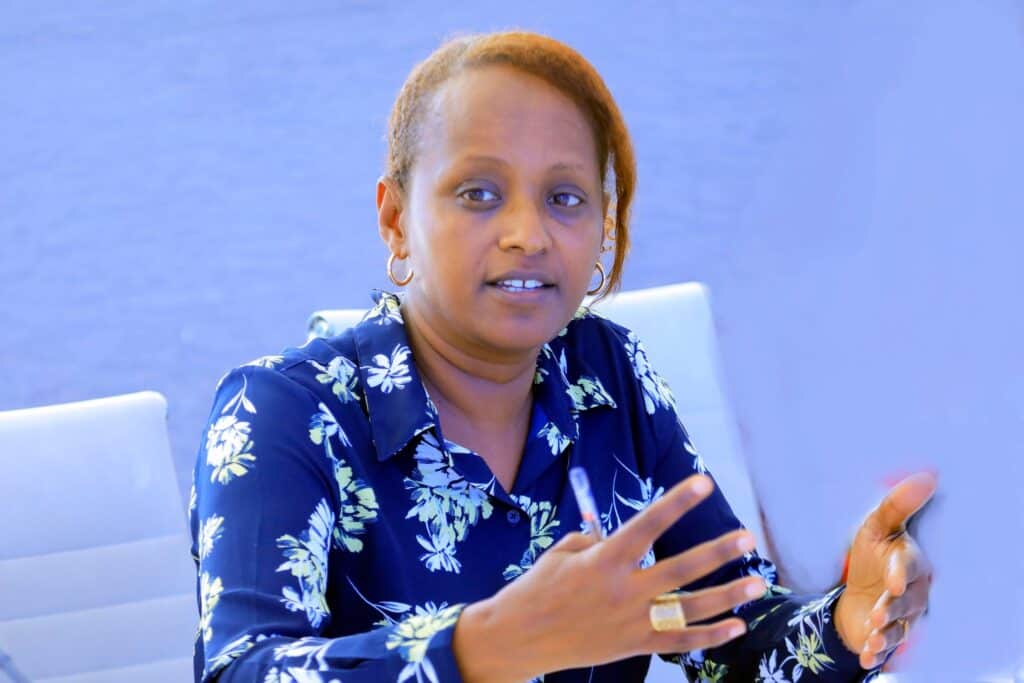
According to the feedback shared during the session, participants noted that the training will support their efforts to arrange loans for private actors working in minigrid development. They highlighted that learning from national policies, research, and experience from other countries strengthens their ability to respond to customer questions and fulfil their professional responsibilities. Participants also emphasised that the awareness created through the training increases their preparedness to support the government’s ongoing work to expand access to solar-powered minigrids.
By increasing understanding of minigrid economics, technical considerations, and consumer-financing solutions, the training contributes to a more informed financial environment for clean energy investment. This supports Ethiopia’s national priorities for rural development, productive use of energy, and improved access to essential services.
The session reflects strong collaboration between the Ministry of Water and Energy, the United Nations Development Programme (UNDP), AMP, and the participating financial institutions. AMP will continue to work with government and other partners to provide technical assistance, facilitate knowledge sharing, and strengthen capacity to advance Ethiopia’s minigrid market in the period ahead.