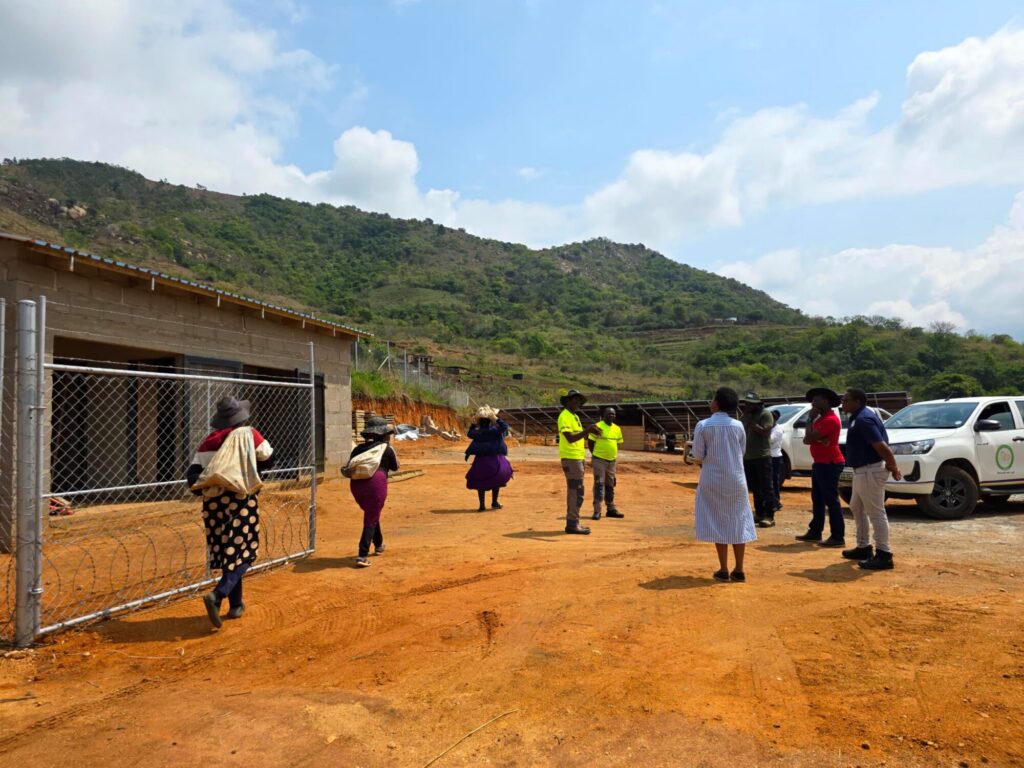
The AMP continues to advance renewable energy access and support rural development in Eswatini, with a recent monitoring visit to its Bulimeni and Mvundla pilot sites highlighting construction progress, community participation and areas requiring continued attention.
The visit brought together representatives from the United Nations Development Programme (UNDP), including Project Management Unit members Ncamiso Nkambule and Setsabile Zulu, and Simphiwe Khumalo, General Manager for Regulation at the Eswatini Energy Regulatory Authority (ESERA). Led by Temndeni Khumalo, UNDP Monitoring and Evaluation Associate, the exercise focused on assessing implementation progress, verifying reported project information and tracking results against the programme’s results framework.
The assessment also sought to document emerging challenges, lessons and recommendations that could inform implementation at the pilot sites and the design of similar initiatives in the future.
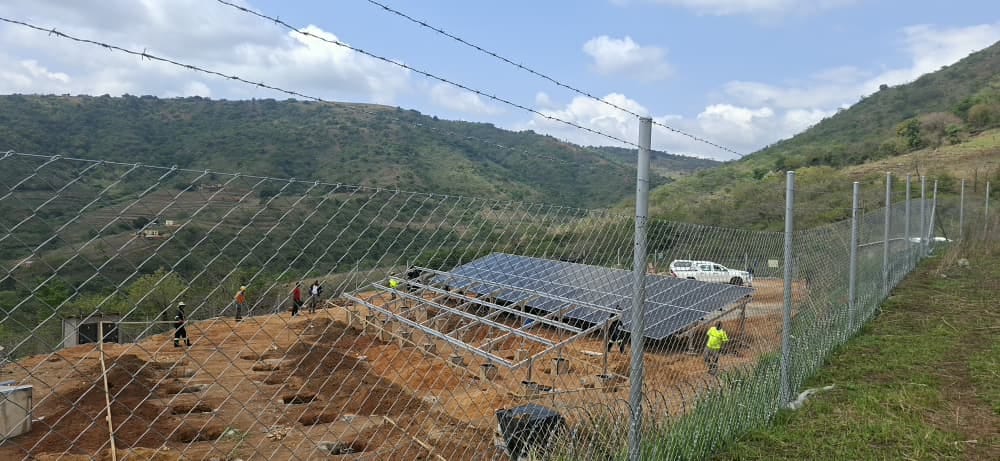
Tracking construction progress and community participation
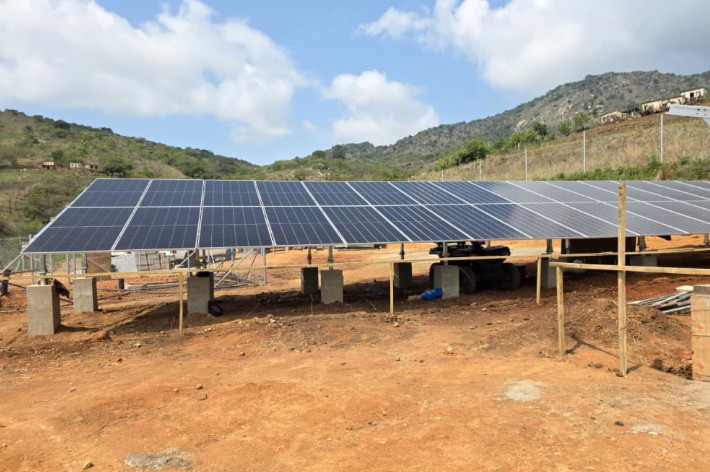
At the time of the visit, the Bulimeni minigrid was approximately 70% complete, with completion targeted for 31 December 2026. The assessment also highlighted progress in gender inclusion, with women accounting for 33% of the construction workforce, exceeding the programme’s 30% target.
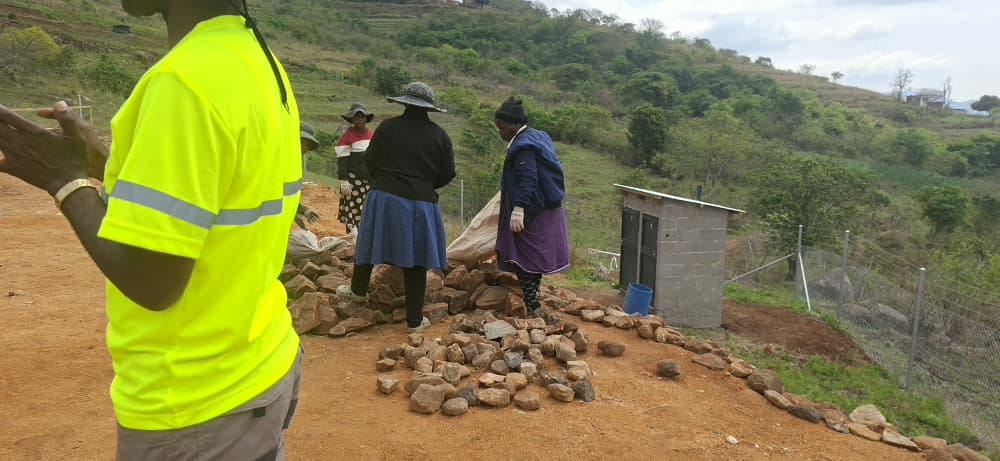
Women were observed contributing to construction activities, including the building of retaining walls using rocks collected within the community. The visit also highlighted the role of community participation in project implementation, with residents supporting construction activities and working alongside the site’s Safety and Environment Officer on environmental, social and safety-related measures. Construction progress was also observed at the Mvundla Productive Use of Energy (PUE) sites. However, the assessment identified several issues requiring further attention across the two pilot locations.
In Mvundla, concerns were raised about the deteriorating condition of the bridge leading to the site, with the movement of construction equipment across the footbridge identified as a contributing factor. At Bulimeni, the assessment highlighted concerns about household readiness for electrification, including the structural preparedness of homes for electricity connections.
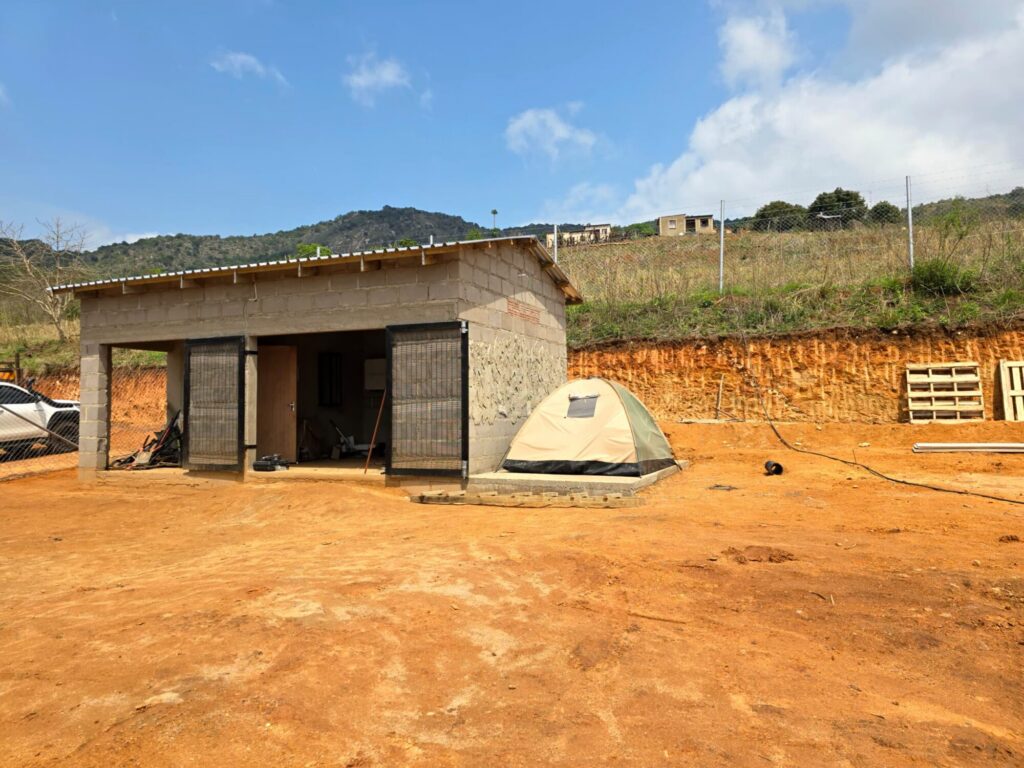
The long-term sustainability of the Bulimeni PUE offering was another area requiring attention, particularly in light of proposed changes to the services planned for the site. The project team is working to address these issues, while the contractor has expressed confidence in the initiative’s sustainability, citing additional services expected to complement electricity provision.
Monitoring for results and lasting impact
Beyond assessing physical construction progress, the visit underscored the importance of monitoring and evaluation (M&E) in ensuring that programme activities deliver their intended results.
Regular site assessments allow the programme team to verify reported progress against actual site conditions, assess infrastructure readiness and implementation quality, identify operational challenges, and gather insights from project personnel and beneficiary communities. These visits also strengthen accountability by providing evidence to guide decision-making, inform corrective action and capture lessons that can improve implementation. For AMP, this is particularly important in ensuring that minigrid development and productive use of energy interventions remain responsive to community needs and contribute to sustainable socioeconomic development.
The assessment also highlighted opportunities to strengthen partnerships and build synergies with complementary initiatives in Eswatini. These include the Catalysing Renewable Energy Access and Transition in Eswatini (CREATE), a four-year initiative funded by the European Union and implemented by the Ministry of Natural Resources and Energy in partnership with UNDP and Catalyse Eswatini. The UNDP-supported Eswatini Youth Empowerment Program (EYEP), funded by the Ministry of Economic Planning and Development, also presents an opportunity for collaboration with AMP to strengthen community-level outcomes.
As implementation advances at Bulimeni and Mvundla, continued monitoring will be important in addressing emerging challenges, sustaining progress and ensuring that investments in renewable energy translate into meaningful, long-term benefits for the communities the programme serves.
AMP’s work in Eswatini is supported by the Global Environment Facility (GEF).
For more on AMP’s work in Eswatini, explore these stories: