
From 4 to 7 May 2026, a targeted four-day capacity-building workshop on the practical application of the AFUR Mini-Grid Tariff Tool was held in Lilongwe, Malawi. The workshop was delivered by the African Forum for Utility Regulators (AFUR), in collaboration with the Malawi Energy Regulatory Authority (MERA) and key national energy stakeholders, under the Africa Minigrids Program (AMP) with support from UNDP and funding from the governments of Denmark and Luxembourg.
It forms part of a series of ongoing regional trainings designed to scale Distributed Renewable Energy (DRE) solutions across Africa.
Malawi’s energy access landscape continues to evolve rapidly. While grid expansion remains a national priority, significant access gaps persist in remote and low-density communities where conventional grid extension is technically challenging and financially costly.
Minigrids represent a strategic and complementary pathway for accelerating inclusive, reliable, and cost-effective electrification. However, realizing this potential requires clear tariff methodologies, predictable regulatory frameworks, and strong institutional capacity in financial modelling and project evaluation.
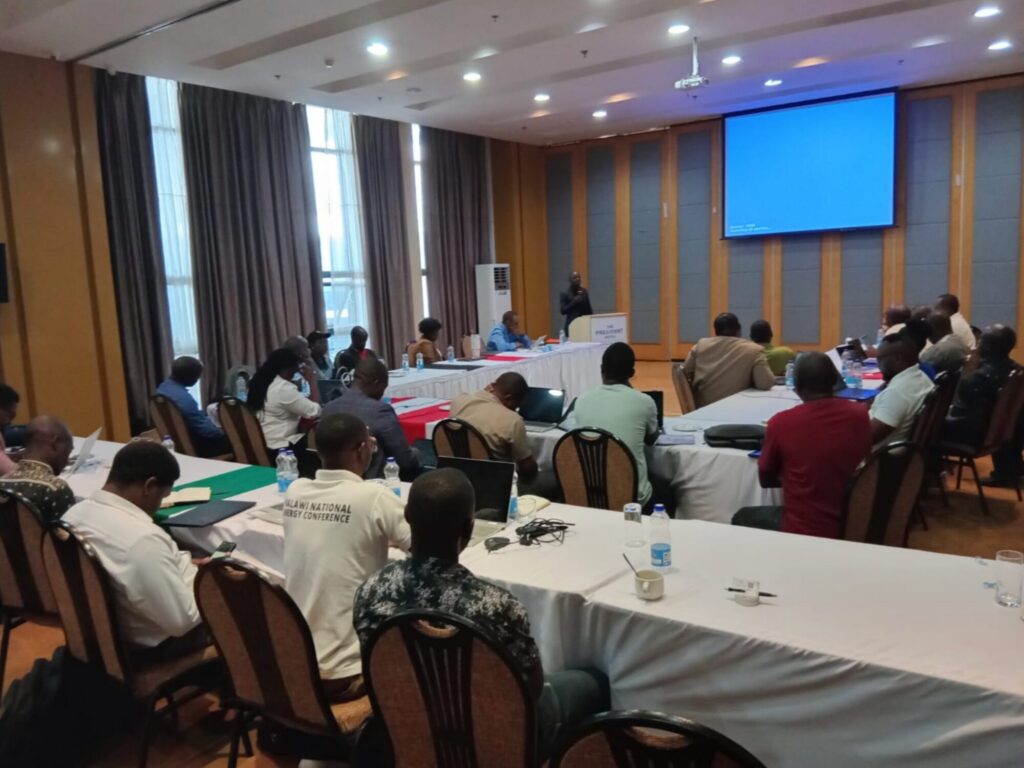
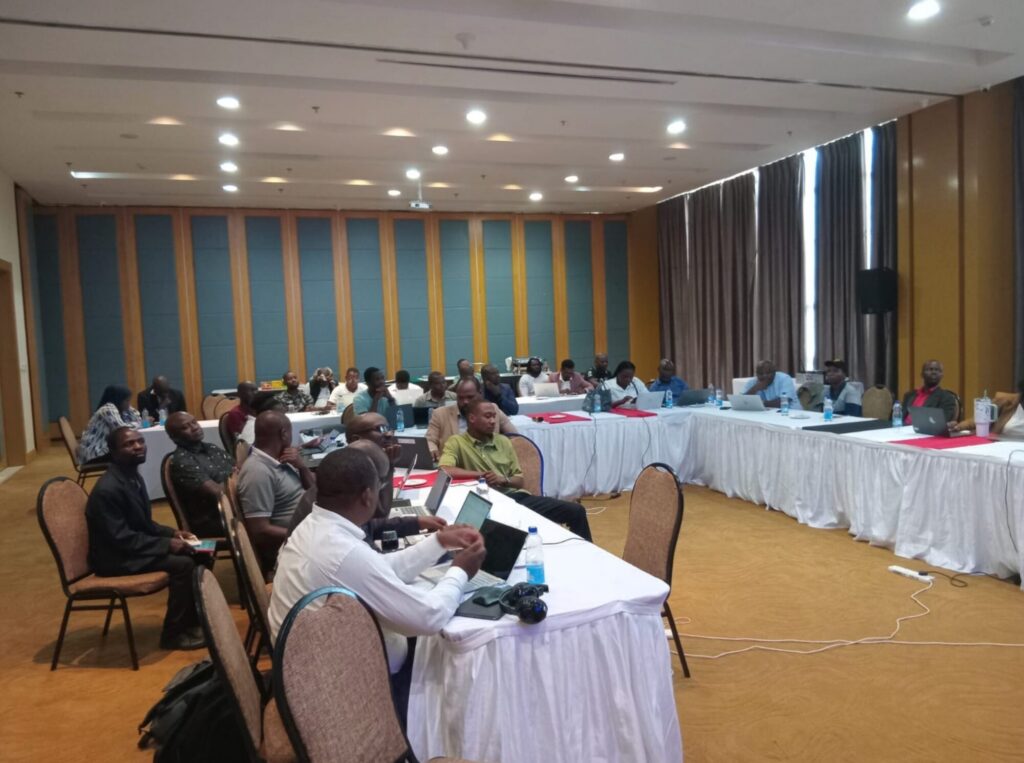
The workshop brought together 36 participants from across Malawi’s energy and minigrid ecosystem, representing the Malawi Energy Regulatory Authority (MERA), the Ministry of Energy, the Electricity Supply Corporation of Malawi (ESCOM), the National AMP Project Unit, private-sector renewable energy developers, rural electrification stakeholders, and development partners.
This broad institutional mix created a well-balanced platform for practical learning and sector alignment across policy, regulation, utility operations, and private-sector participation.

On the final day, participants were divided into working groups to develop complete minigrid business cases. The groups built full financial models, conducted risk and sensitivity assessments, and presented tariff structure recommendations to the plenary. Pre- and post-training knowledge assessments demonstrated clear and measurable improvements across all five competency areas assessed: technical and system concepts, customer and demand economics, operations and maintenance (O&M) and technology cost drivers, financial modelling and tariff mechanics, and practical use of the AFUR Tariff Tool.
Overall, participant knowledge scores improved from an average of 2.71 (Slightly to Moderately Aware) to 4.3 (Very Aware), representing an indicative increase of approximately 60% from baseline levels.
The most substantial gains were observed in areas that had registered the weakest baseline understanding: financial modelling and tariff mechanics, application of the Weighted Average Cost of Capital (WACC) within tariff design, sensitivity analysis and scenario testing, structured tariff computation, and investment viability analysis. Tool-specific competencies recorded the largest relative improvement — a gain of +2.1 points — driven by the guided modelling sessions and business case exercises. This shift from siloed technical understanding toward integrated techno-economic analysis represents one of the most significant outcomes of the training.

Participants provided consistently positive feedback, describing the workshop as highly relevant, practical, and well structured. A recurring theme was appreciation for the hands-on and scenario-based approach, with participants noting that the practical modelling exercises helped bridge the gap between theoretical concepts and real-world minigrid planning and tariff-setting applications. Several participants also expressed interest in advanced modules incorporating Malawi-specific cost structures and demand profiles, grid-extension versus minigrid comparisons, and portfolio tariff approaches.
The training also introduced participants to the AFUR Regulatory Tool through Malawi-based scenarios, resulting in the development of a draft minigrid regulatory framework for Malawi. This tangible output reinforces the workshop’s contribution beyond individual capacity building towards institutional and policy-level change.
This workshop supports the broader AMP Malawi initiative, which spans minigrid deployment, productive use of energy, regulatory strengthening, and national electrification planning. Recommended next steps include formal institutionalisation of the AFUR Mini-Grid Tariff Tool within MERA’s tariff review and project evaluation processes, the development of standardised national mini-grid tariff and electrification planning guidelines aligned with AMP and UNDP best practices, and continued technical support in WACC and regulatory finance, minigrid valuation methodologies, and portfolio modelling.
If the momentum generated by this training is sustained, Malawi is well positioned to strengthen the transparency, consistency, and credibility of minigrid tariff regulation and rural electrification planning. This can support stronger investment confidence, improved project bankability, and greater private-sector participation in decentralised energy deployment across the country. In doing so, Malawi also contributes to broader regional efforts aimed at minigrid regulatory harmonisation and decentralised energy planning across the SADC region.
Continued collaboration between MERA, the Ministry of Energy, ESCOM, AMP, UNDP, and development partners remains vital to institutionalising these gains and accelerating clean energy access for Malawi’s underserved communities.