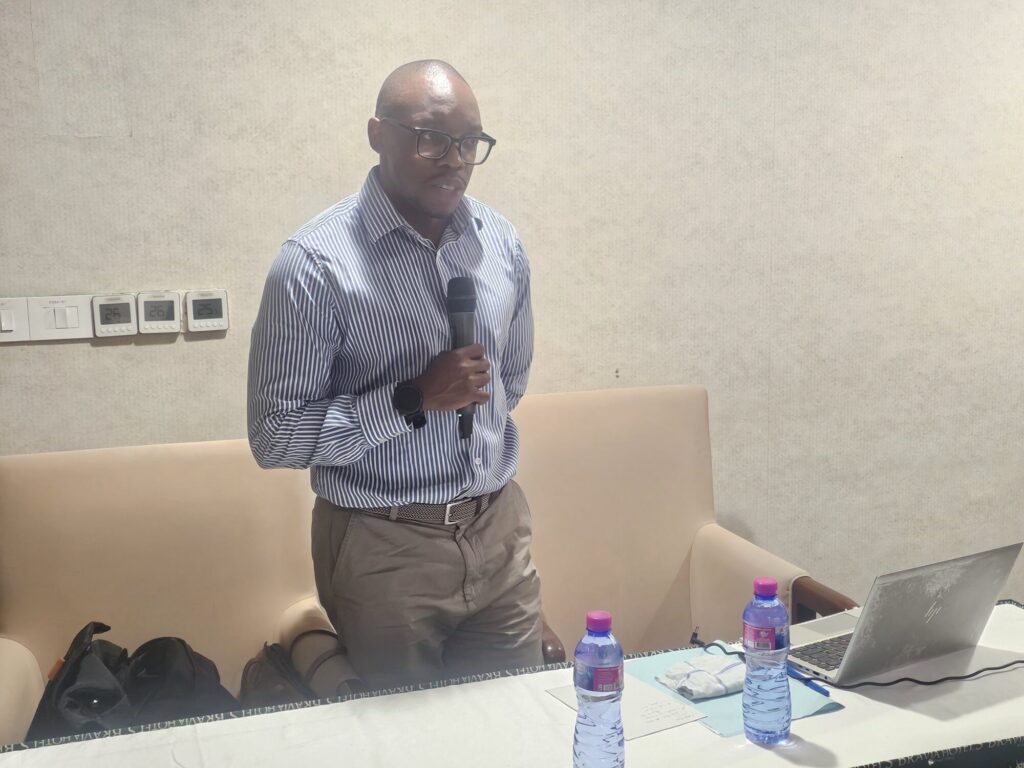
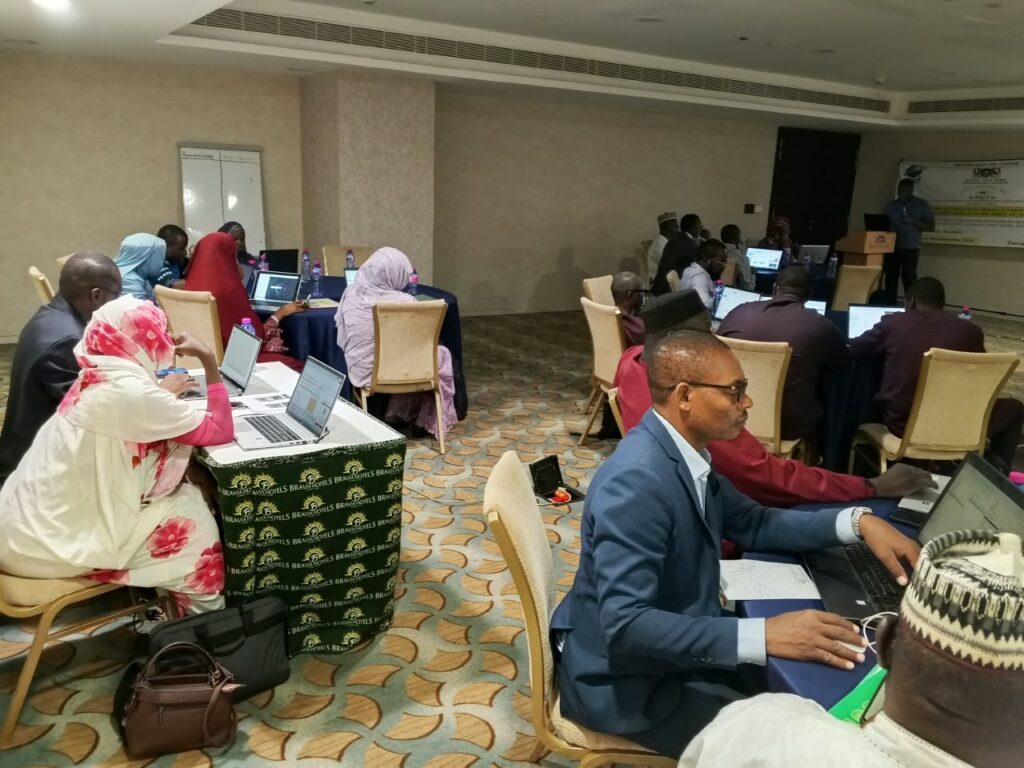
Niamey, Niger – Energy-sector representatives from across Niger came together in Niamey from 2 to 6 November 2026 for a five-day training on minigrid tariff setting and financial modelling, gaining practical experience in assessing the financial viability of minigrid projects.
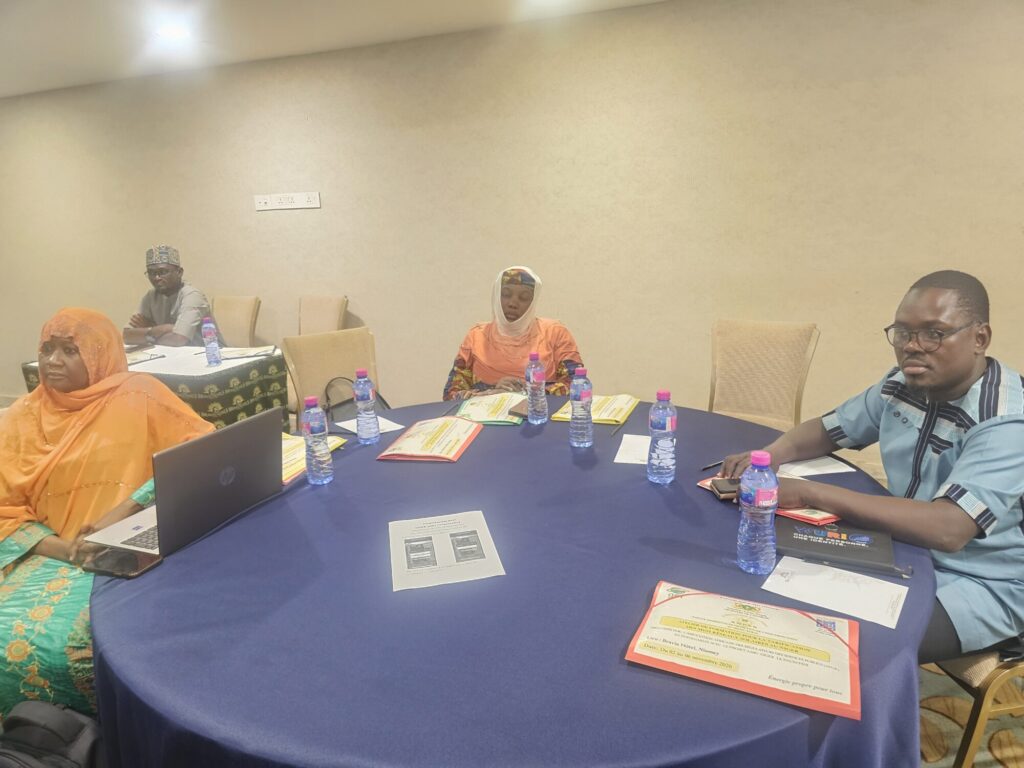
Organised by the African Forum for Utility Regulators (AFUR), in partnership with AMP Niger, the workshop was supported by UNDP and the AMP Funding Window, backed by the Governments of Denmark and Luxembourg. It brought together approximately 25 participants from the Ministry of Energy, the national regulator, rural electrification agency, national utility, private sector and civil society. Women accounted for 24% of participants.
The workshop aimed to strengthen national capacity to assess minigrid costs, determine tariffs and understand the financial and regulatory considerations that influence the long-term sustainability of minigrid projects.
In Niger, where minigrids play an important role in expanding electricity access in rural areas, these considerations are particularly relevant. The training forms part of broader efforts by AMP and its partners to strengthen the financial viability of renewable minigrids and encourage greater commercial investment.
Turning technical concepts into practical application
The training focused on the practical application of AFUR’s Enhanced Mini-Grid Tariff Tool, alongside an introduction to the AFUR Model Mini-Grid Regulation Tool. The two tools address complementary aspects of minigrid development: tariff determination and the regulatory arrangements needed to support project implementation. While the Tariff Tool supports the assessment of project costs, financing assumptions and revenue requirements, the Model Regulation Tool addresses areas including licensing, tariff approval, quality of service, consumer protection and grid arrival.
Throughout the five-day programme, participants explored the financial and technical factors that influence minigrid viability, including plant capacity, customer demand, capital and operating costs, financing structures, depreciation, subsidies and revenue requirements. The programme combined technical presentations and guided demonstrations with hands-on financial modelling, scenario analysis and group exercises.
A central component was a group business-case exercise using data from operational minigrid projects in Africa. Participants worked with the Tariff Tool to develop financial models, examine tariff requirements and assess how different assumptions could affect project performance. They also explored financial indicators such as Net Present Value (NPV) and Internal Rate of Return (IRR), and considered how changes in demand, financing conditions, inflation and exchange rates could influence project viability.

Addressing Niger’s minigrid development priorities
Niger’s rural electrification landscape includes diesel-powered minigrids, alongside efforts to develop solar hybrid systems and hybridise isolated grids. Improving the financial viability of renewable minigrids requires approaches that account for local project costs, demand, financing conditions and the affordability of electricity for rural consumers.
Bringing together representatives from the Ministry of Energy, the Autorité de Régulation du Secteur de l’Énergie (ARSE), the Agence Nigérienne de Promotion de l’Électrification en milieu Rural (ANPER), NIGELEC and private-sector organisations provided an opportunity to build a shared understanding of these issues across the sector.
Participants also identified areas where further technical support would be valuable, including advanced financial analysis, tariff modelling, subsidy design and the application of the tools to different technologies.
From training to implementation
The next step will be to apply the AFUR Tariff Tool to actual minigrid projects in Niger, working with ARSE, ANPER and NIGELEC to examine project costs, tariff assumptions and financial viability in the national context. Further priorities include strengthening financial modelling skills, providing French-language guidance and supporting closer coordination among national institutions.
By strengthening the capacity of national stakeholders and supporting the development of more transparent and appropriate tariff methodologies, AMP and its partners are helping address some of the financial and regulatory barriers to minigrid development.
The training provides a foundation for continued work towards more financially sustainable, investment-ready minigrids and expanded electricity access in Niger.
The training was supported through a UNDP Funding Window, backed by the Governments of Denmark and Luxembourg