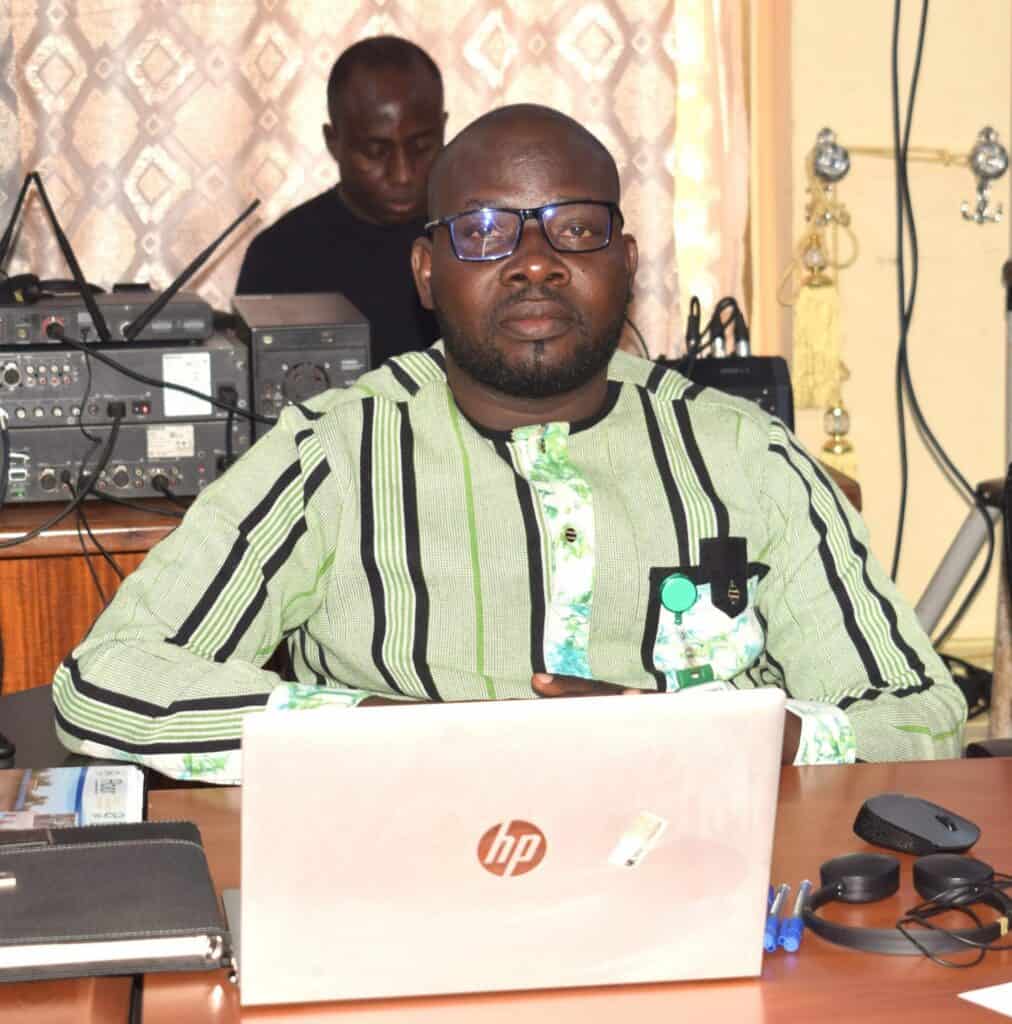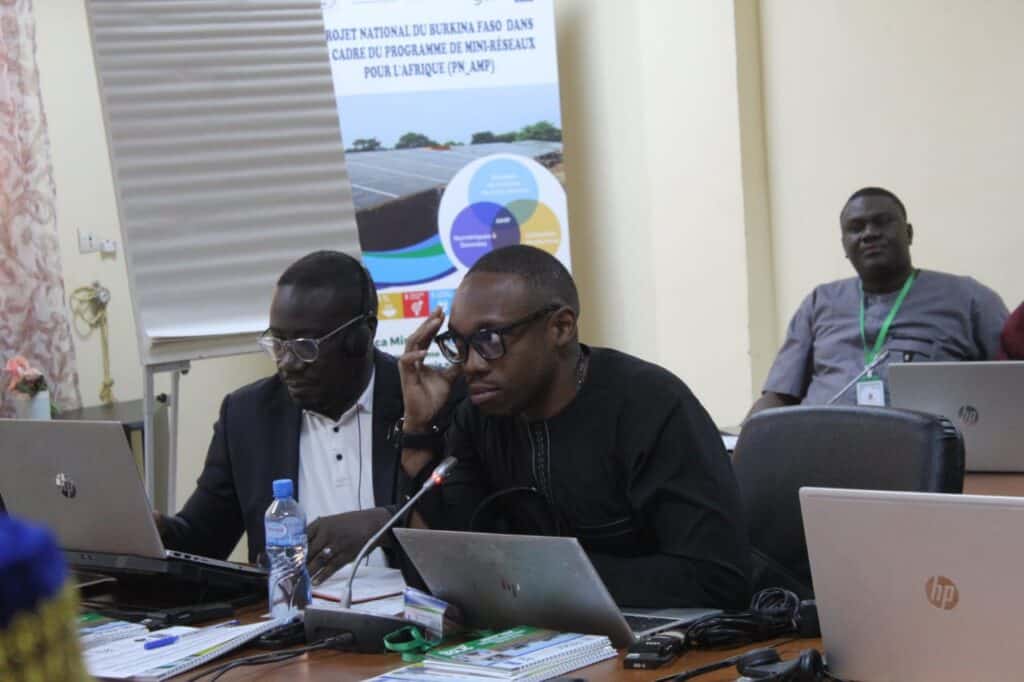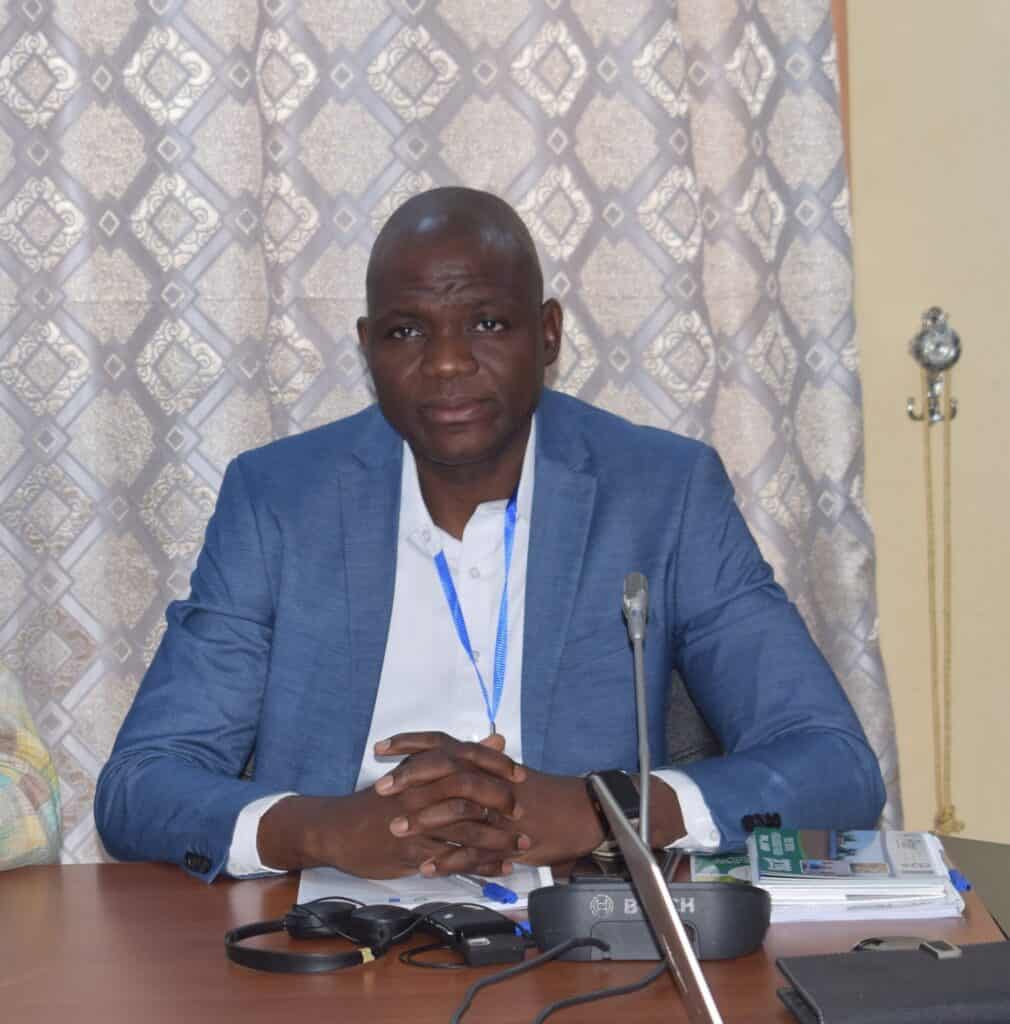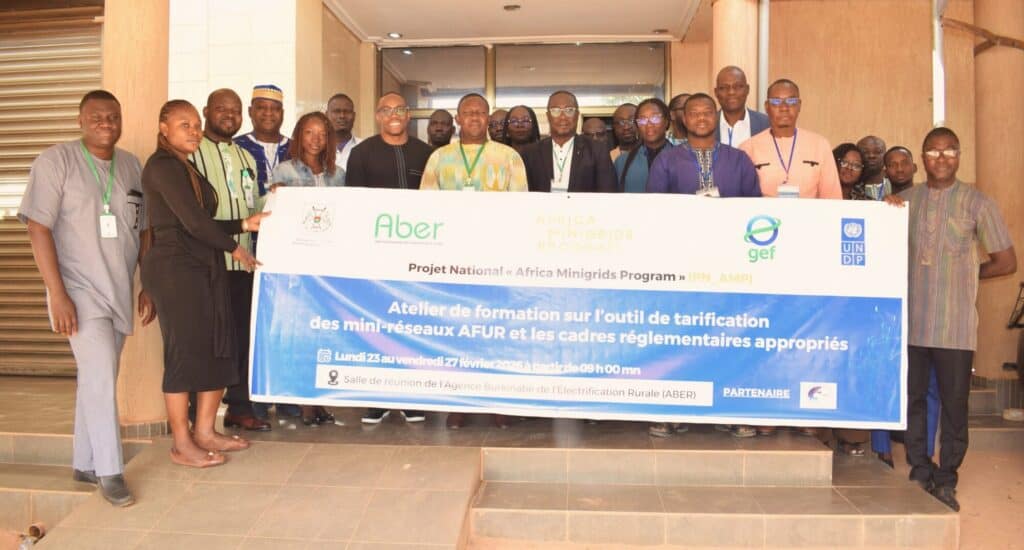
From February 23–27, 2026, Ouagadougou hosted a landmark workshop to enhance regulatory and tariff-setting capacities for minigrids in Burkina Faso. Organized by the Africa Minigrids Program (AMP) and the African Forum of Utility Regulators (AFUR), and chaired by the Director General of ABER, the training focused on the AFUR Minigrid Tariff Tool—a methodology designed to set fair, transparent, and sustainable tariffs tailored to local realities.
The workshop equipped regulators and institutional stakeholders to:
- Ensure pricing transparency in minigrid projects;
- Encourage private investment in rural electrification;
- Protect consumers across all social groups.
The AFUR methodology considers energy costs, investment requirements, maintenance, and the population’s ability to pay, enabling tariffs that are financially sustainable while affordable. This effort aligns with the PN_AMP’s goal of expanding access to clean energy in rural areas and promoting large-scale commercial investment in solar minigrids, supported by UNDP and the Global Environment Fund (FEM).

This project was made possible thanks to generous contributions from the governments of Denmark and Luxembourg via the UNDP Funding Windows, UNDP’s flexible mechanism that allows rapid, comprehensive responses to emerging development challenges.
The Burkina Faso training builds on the earlier AMP–AFUR partnership launch in Madagascar (January 2026), which set the stage for regional collaboration across nine African countries to strengthen regulatory frameworks for minigrids. By sharing lessons and harmonizing approaches, AFUR and AMP are enabling countries to scale minigrid deployment sustainably, attracting private investment while ensuring equitable energy access.