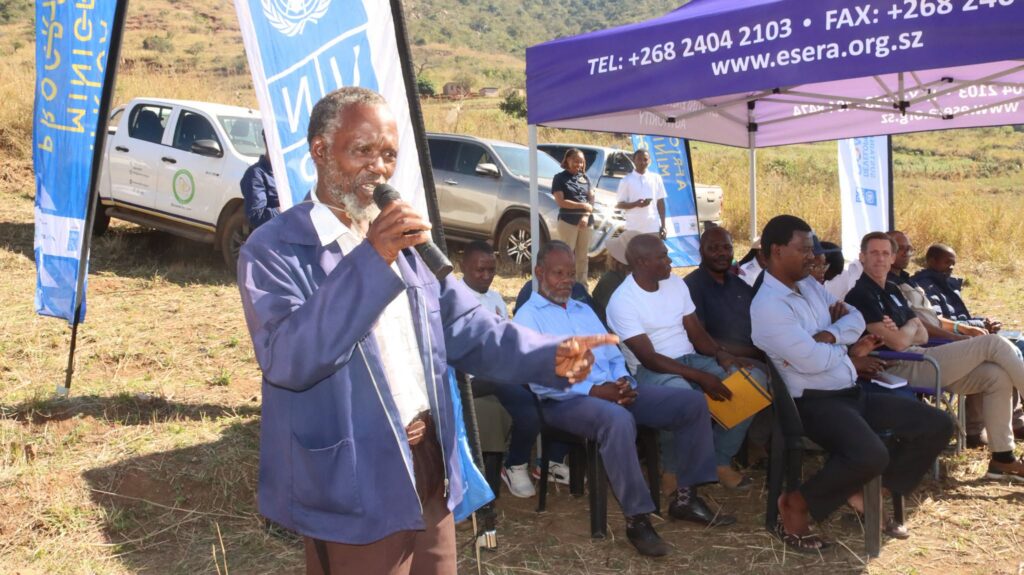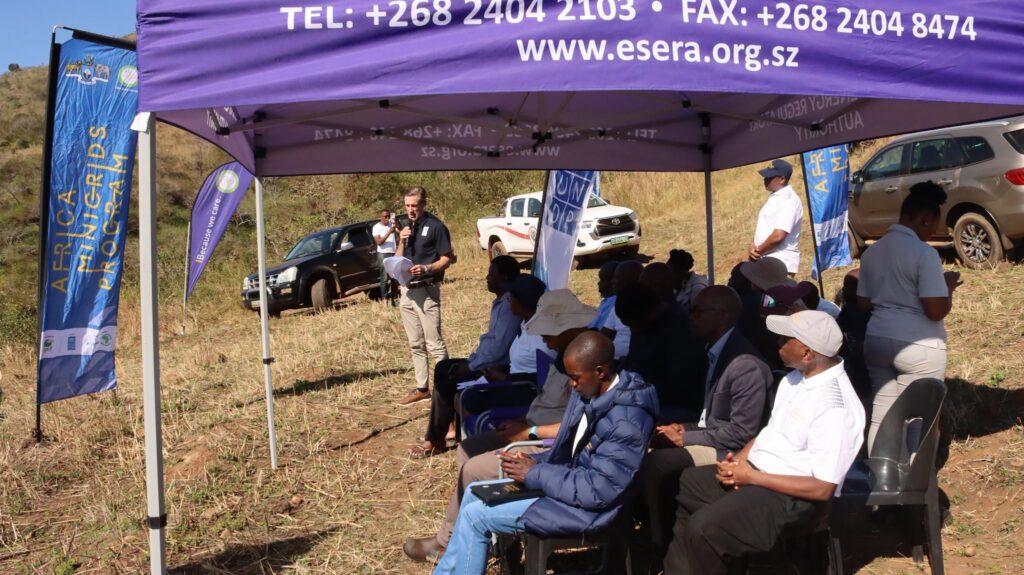
The journey to the construction of the Bulimeni Solar PV Battery Minigrid under the Africa Minigrids Program (AMP) has been one of resilience, collaboration, and innovation. More than the successful conclusion of a procurement process, the recent award of the Design, Construction, Part-Financing, Operation and Maintenance contract represents a major milestone in AMP Eswatini’s trajectory towards fulfilling its main objectives.
As the program’s second pilot project, the Bulimeni minigrid is earmarked to provide reliable, clean, and affordable electricity to a previously unserved rural community, improving livelihoods while creating new opportunities for economic growth, productive use of energy, and sustainable development. Despite the encouraging progress to date, the road to this point has not been without challenges, owing in part to Eswatini’s nascent minigrid market, which contributed to an unfavourable outcome in the initial procurement process.
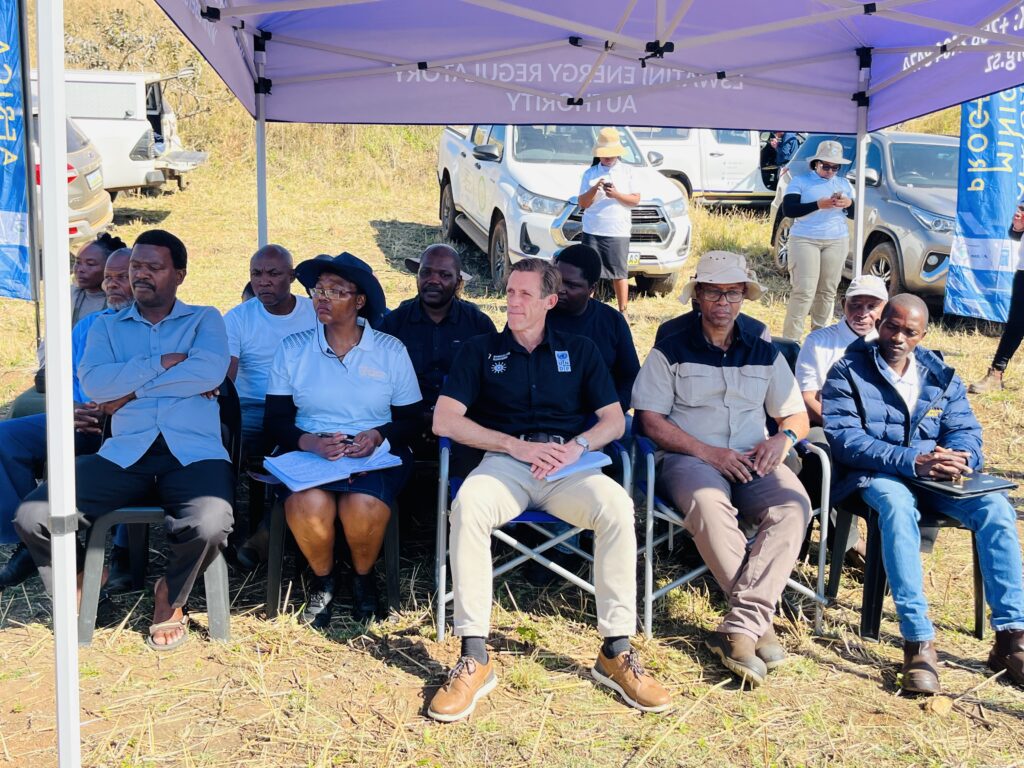

This prompted the AMP Eswatini team to reassess the project’s commercial viability and undertake extensive consultations with the Government, the Eswatini Electricity Company (EEC), financiers, development partners, beneficiary communities, and private sector developers to better understand the barriers affecting the project’s bankability. A focused training was also organised by AMP in collaboration with the African Forum for Utility Regulators (AFUR) to equip prospective bidders and financiers with the technical and regulatory tools needed to develop robust, investment-ready proposals. Following these consultations, a redesigned procurement approach was developed that balanced community needs with commercial realities, ultimately creating a more attractive investment opportunity for experienced developers.
With these measures in place, AMP Eswatini implemented a transparent and supportive tendering process that included bidder conferences, compulsory site visits, and detailed clarification sessions, enhancing both the quality and competitiveness of submissions.
SBM Projects was awarded the tender following a rigorous value-for-money evaluation framework that assessed technical expertise, system design, operational and maintenance capability, financial sustainability, environmental and social performance, tariff affordability, and long-term project viability. This comprehensive process ensured that the selected partner would deliver not only a technically sound minigrid but also a sustainable energy solution capable of serving the Bulimeni community for years to come.
The contract award marks the culmination of months of careful planning, stakeholder engagement, and transparent evaluation, validating the collaborative approach adopted by AMP throughout the procurement process. The developer has since commenced preliminary construction work, including site clearance. Equipment delivery, construction, and commissioning of the minigrid system will follow, leading to the supply of electricity through a minigrid with the capacity to support productive use of energy activities for the community.
Beyond providing solar electricity to Bulimeni, the successful completion of Pilot 2 will represent an important proof of concept for the future of decentralised renewable energy in Eswatini.