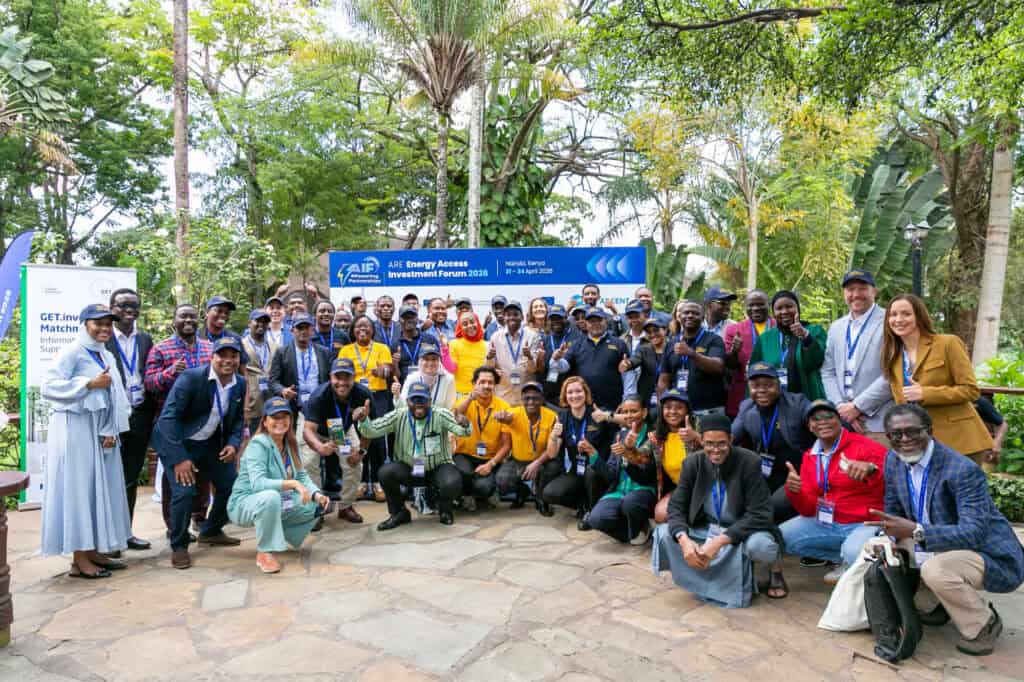
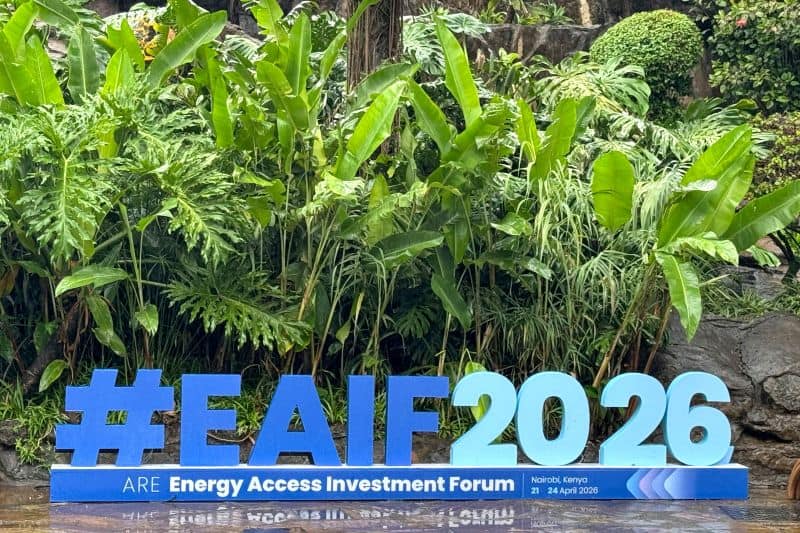
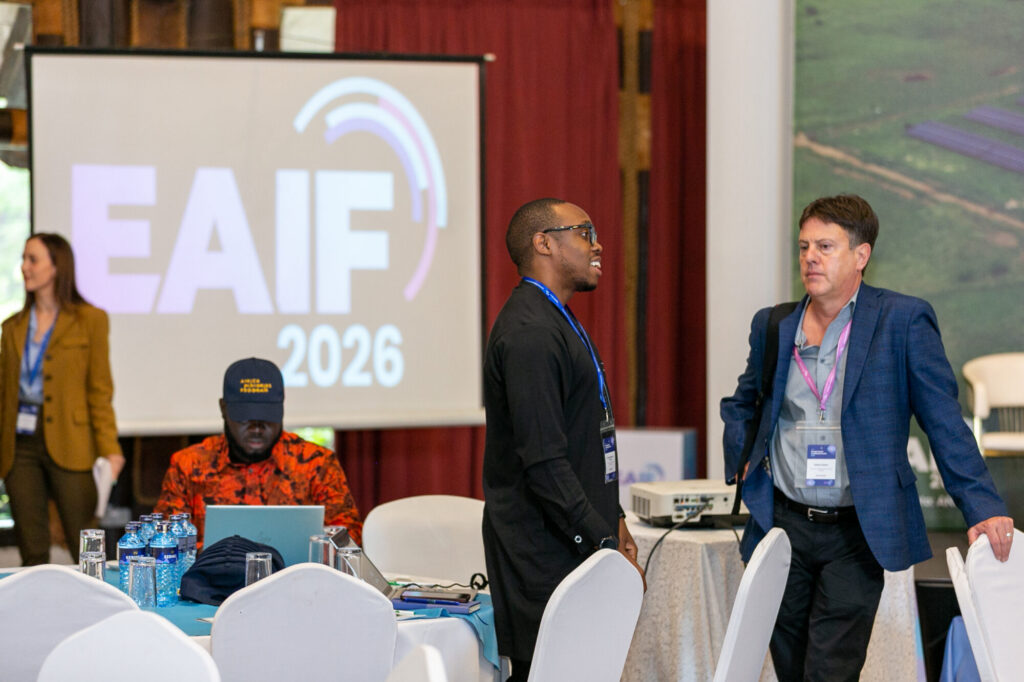
The Africa Minigrids Program (AMP), hosted by the United Nations Development Programme (UNDP) and the Rocky Mountain Institute (RMI), convened its Community of Practice and partners in Nairobi, Kenya, on the sidelines of the Energy Access Investment Forum (EAIF 2026).
Now in its third year, the AMP convening has become a key annual moment for country teams, technical partners, and stakeholders to align on progress, exchange implementation lessons, and strengthen coordination across the minigrid ecosystem.
This year’s gathering brought together nearly 80 practitioners and decision-makers from across AMP countries and partner organisations, creating a platform that combined closed-door technical exchanges with engagement across the broader EAIF agenda.
Across all sessions, one message stood out clearly: while momentum in the minigrid sector continues to grow, scaling impact will depend on stronger alignment between policy, financing, and execution.


Highlights
The convening opened with remarks from UNDP Kenya Resident Representative Jean-Luc Stalon and AMP leadership, setting a clear framing for the discussions ahead.
Jean-Luc Stalon emphasised that energy access must be understood beyond simple electricity connections, highlighting that it also includes affordability, productive use, clean cooking, and inclusive outcomes, particularly for women and young people. He also underscored the importance of strong partnerships in delivering on Mission 300, linking continental ambition with practical, country-level implementation through programmes such as AMP.
Building on this, Mateo Salomon, Head of Climate Change Mitigation at UNDP, reflected on the purpose of the convening itself as a space for shared learning and relationship-building across countries and partners. He highlighted that these exchanges are not only about reviewing progress, but about strengthening how lessons from implementation can directly inform delivery and the next phase of the programme.
Together, these reflections set the tone for the week, reinforcing AMP’s role as a bridge between policy ambition and on-the-ground implementation across participating countrie

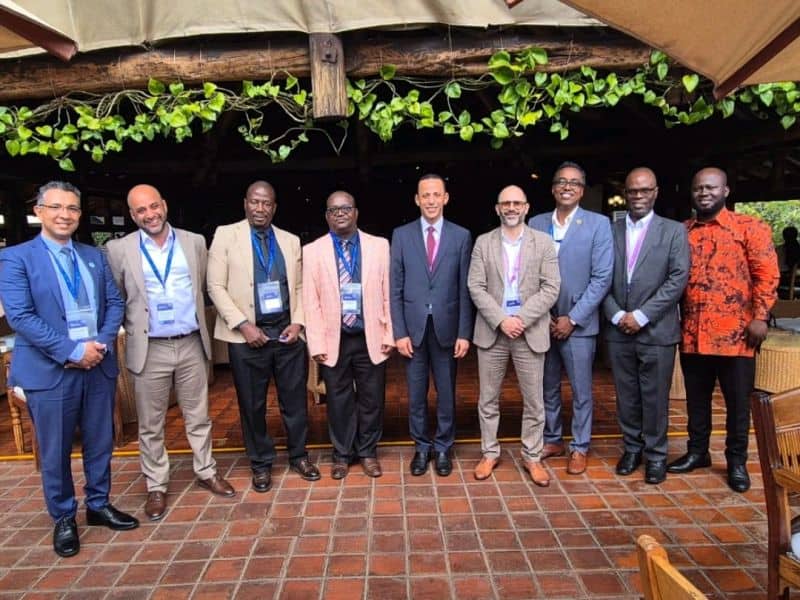
Mateo also contributed to EAIF 2026 discussions on financing and coordination, including a high-level investment panel and a strategic exchange with COMESA.
In the investment panel, he highlighted that the key constraint is no longer capital or technology, but how risk is structured and shared across actors, alongside persistent gaps in early-stage project preparation and alignment between investment and demand.
In discussions with COMESA, he focused on strengthening coordination across regional energy access initiatives, including aligning the ASCENT facility with AMP, and advancing more enabling frameworks for scaling investment in decentralized energy.

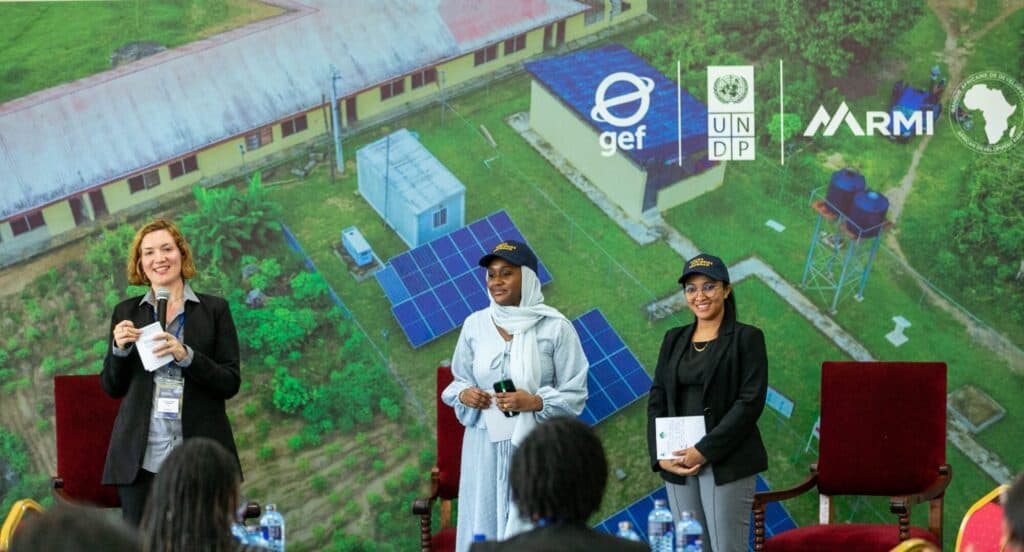
Hosted by RMI and AMP, the Women in Clean Energy Coffee Corner brought together practitioners and partners to spotlight the role of gender inclusion in scaling energy access. The session was opened by Senior Associate, Valentina Guido Bergamo (RMI/AMP), who reinforced the importance of embedding gender considerations across energy access work to ensure more inclusive and sustainable outcomes.
Discussions featured Gender and Infrastructure Specialist, Thokozani Kadzamira of the World Bank Group, alongside AMP country representatives Program Assistant, Saudatu Bobboi (AMP Nigeria, REA Nigeria) and Gender Specialist, Mino Hasinariseheno Rakotobe Solomiarantsoa (AMP Madagascar), who highlighted structural barriers facing women in the energy sector and the need to integrate gender across project design, procurement, and implementation.
The session also marked the announcement of the next cohort of RMI’s Global Women in Clean Energy Fellowship, supporting women leaders across Sub-Saharan Africa to advance clean energy solutions and strengthen their role in the transition.

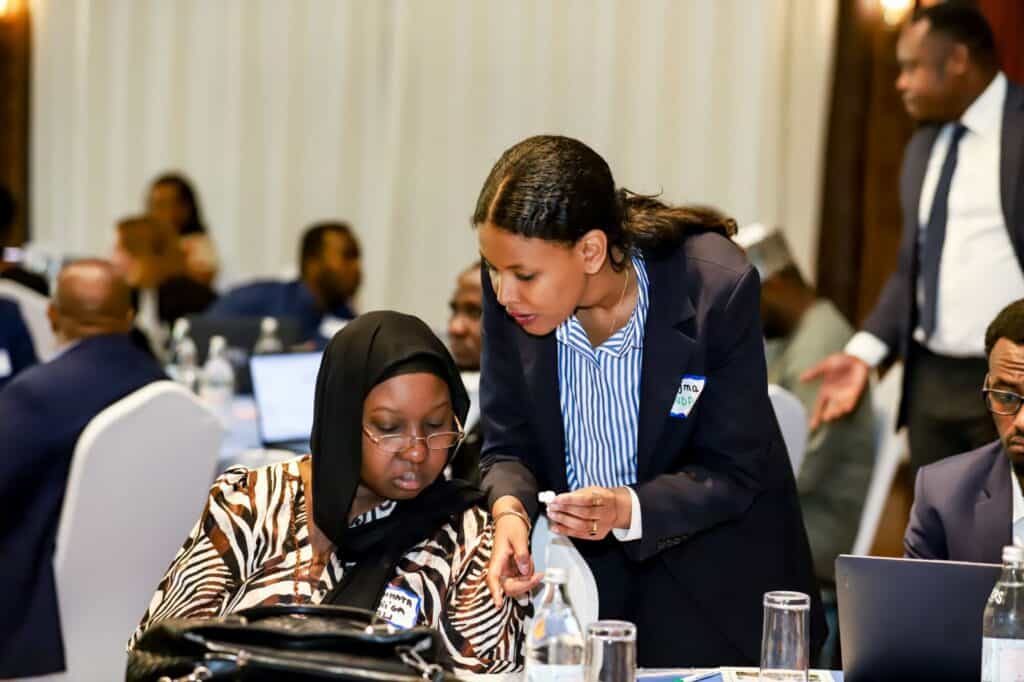
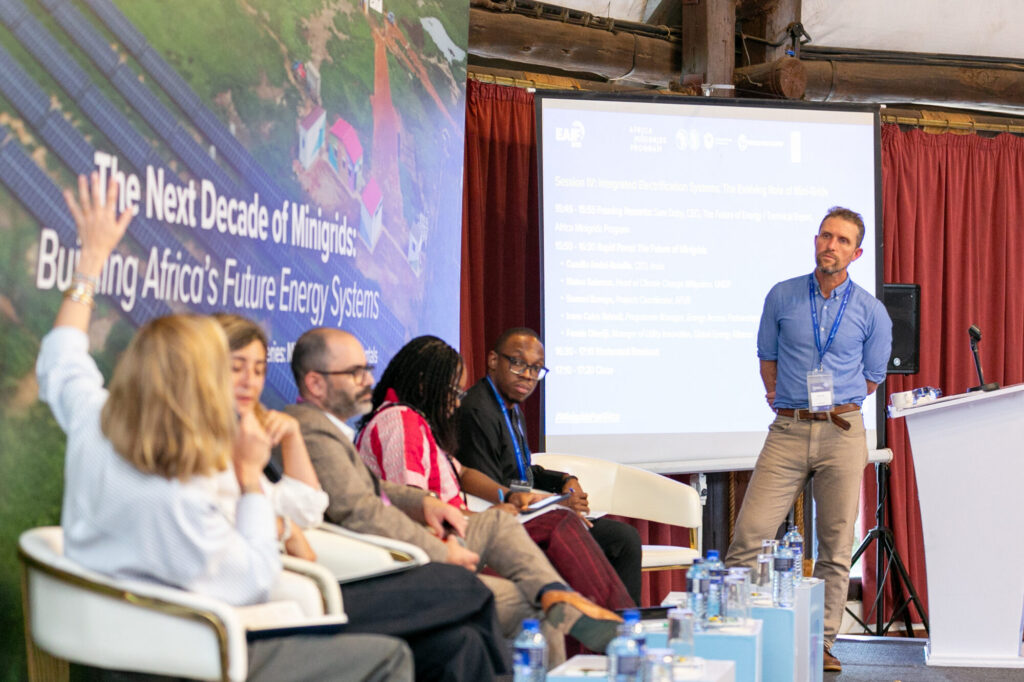
Across the two-day convening, discussions moved from internal technical exchange to broader partner dialogue, covering the full spectrum of minigrid market development. Closed-door sessions with AMP country teams focused on national dialogues, business models and pilots, financing, and data and digitalization, grounding conversations in practical implementation challenges and country realities.
These insights carried into the open sessions with partners, which explored how to align developer execution, financing structures, and public-sector frameworks, strengthen private-sector delivery, design financing architectures that support scale, and position minigrids within more integrated and demand-driven energy systems.







Acknowledgments
Special thanks to all AMP country teams, partners, and collaborators including UNDP, RMI, the African Development Bank, SEforALL, ARE, AFUR, IFC, and the broader energy access community for their contributions to the convening.