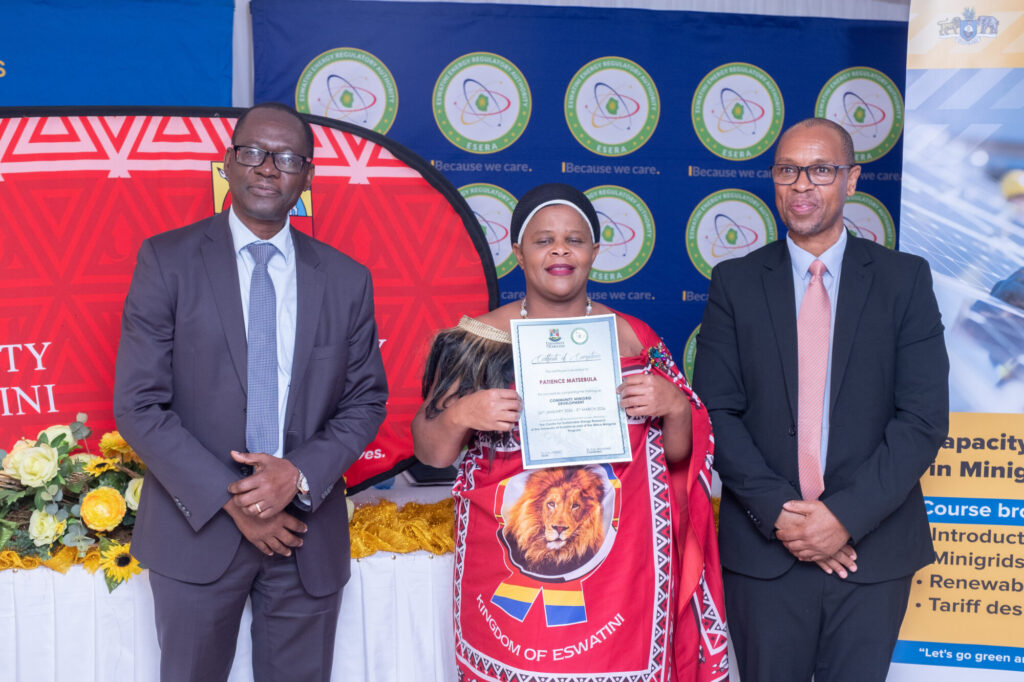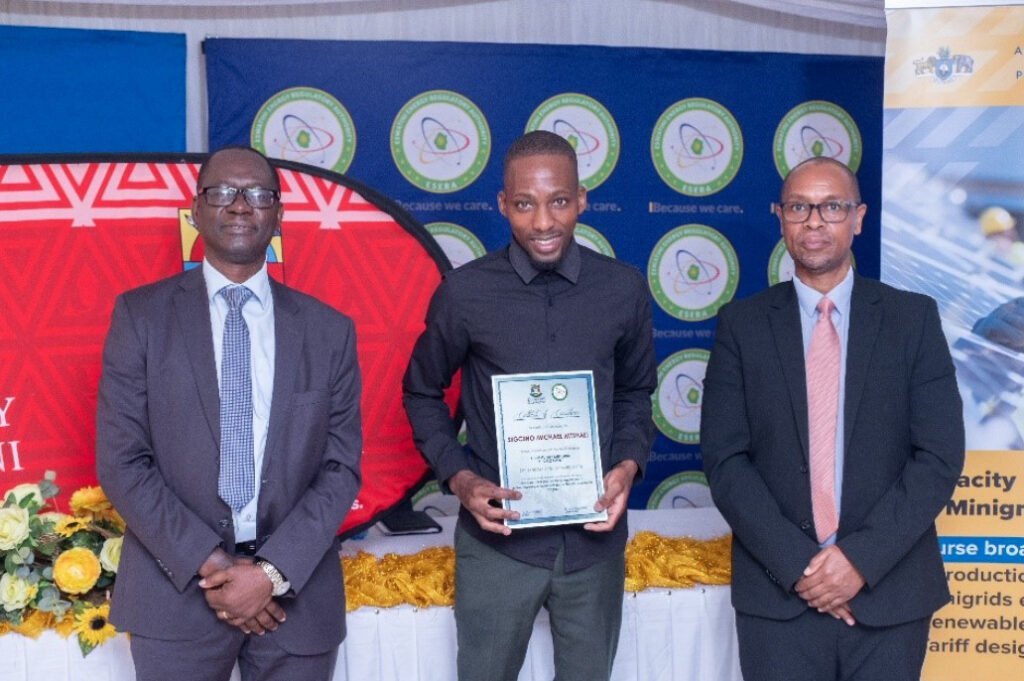
The successful graduation of the second and final cohort of the Africa Minigrids Program (AMP) Capacity Building Program on Community Minigrid Development marked a significant investment in renewable energy skills development in Eswatini’s energy industry.
The six-week certificate training program, sponsored by AMP and rolled out by the University of Eswatini’s Centre for Sustainable Energy Research (CSER) in partnership with the Eswatini Energy Regulatory Authority (ESERA), has laid the foundation for a highly skilled workforce, one capable of driving Eswatini’s clean energy transition while positioning the country as a regional hub for renewable energy knowledge.
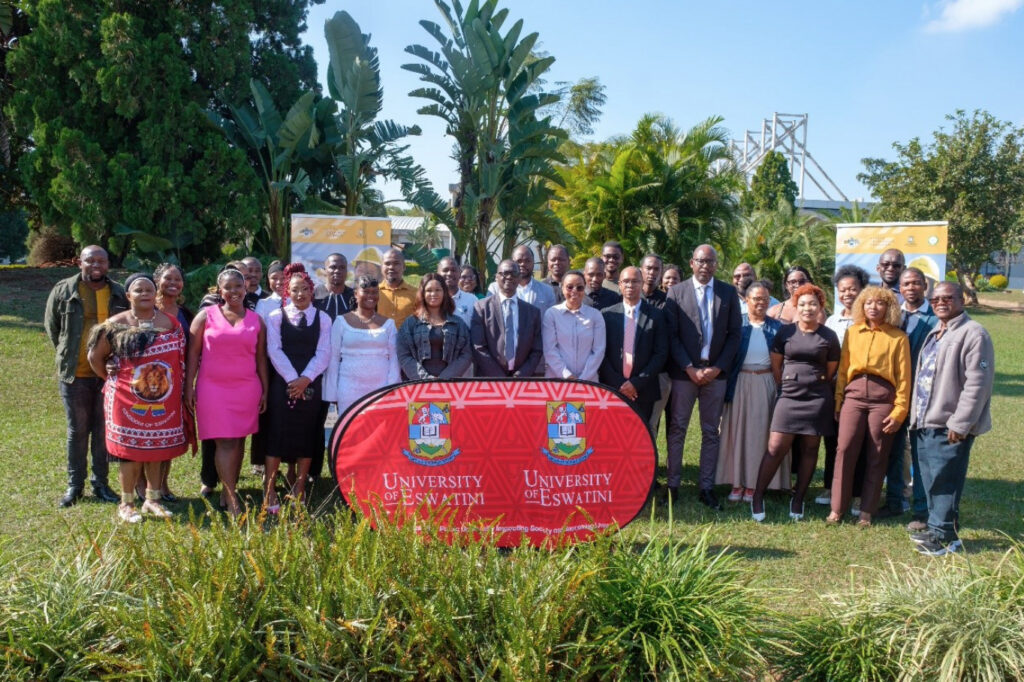
Over two cohorts, the program equipped more than one hundred participants from Eswatini and across Africa with practical and theoretical expertise in community minigrid development. Courses covered minigrid design, feasibility studies, regulatory frameworks, project financing, productive energy use, and community engagement, among other critical building blocks needed to develop, deploy, and operate sustainable energy systems.
A highlight of the program was the wide interest it drew from Eswatini, across Africa, and beyond, with applications received from over twenty-six countries. This underscored Eswatini’s potential as a centre of excellence for renewable energy capacity development. The program’s diverse participants, ranging from engineers, technicians, and entrepreneurs to public sector professionals and recent graduates, encouraged wide knowledge exchange, innovation, and regional collaboration.
Another highlight was the introduction of artificial intelligence into the program’s finance module, alongside the integration of investment analysis and grant application tools into the training curriculum. This was a strategic choice, designed to build future-ready competencies aligned with the rapidly evolving renewable energy sector. The approach ensured graduates were not only technically trained but equipped with the digital skills needed to improve project bankability, strengthen investment readiness, and enhance data-driven decision-making.
Reflecting on the program’s broader significance, AMP Eswatini Program Manager Ncamiso Nkambule praised CSER for expediently rolling out the course to a diverse pool of students, including women and children, addressing the renewable energy skills gap inclusively.
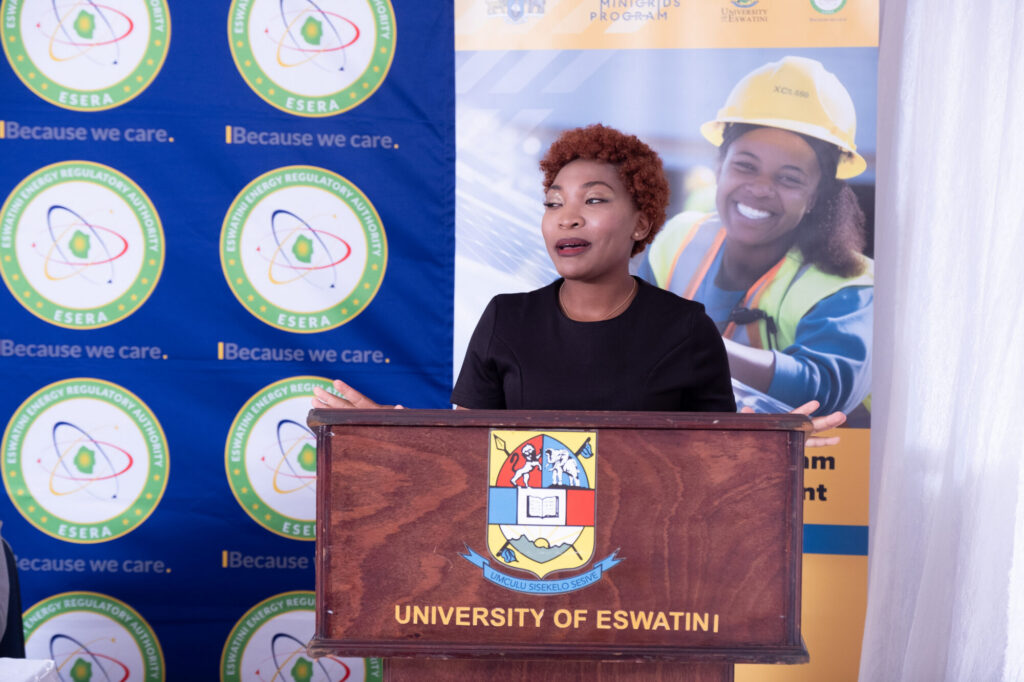
Dr. Gcina Mavimbela, Coordinator of CSER and representing the program’s delivery partner, underscored the importance of investing in specialized technical education through programs such as this one, which prepares professionals across multiple disciplines for the growing opportunities within the renewable energy sector.
On the sidelines of the Minigrids Program Certificate Handover Ceremony, ESERA’s CEO, Skhumbuzo Tsabedze, applauded the partnership between ESERA and UNESWA and congratulated the graduates for completing a program that directly contributes to the clean energy agenda and to national development more broadly. Students who took part in the program also reflected on its transformational nature, describing it as an opportunity to gain practical knowledge that bridges the gap between classroom learning and real-world renewable energy projects.
As the final cohort joins the growing network of AMP graduates across African countries, the legacy of the Eswatini AMP Capacity Building Program will extend well beyond the classroom, empowering graduates to deliver innovative energy solutions that improve livelihoods, stimulate local economic development, and accelerate Eswatini’s transition to a cleaner, more resilient, and inclusive energy future.